

What is Sawdust Wood Chip Pneumatic Conveying, Classification and Applications of Pneumatic Conveyin
For industrial operations dealing with wood chips and sawdust, efficient material handling is crucial. Pneumatic conveying systems offer a solution by transporting these materials through a pressurized or vacuumed air stream. This article explores the concept of sawdust wood chip pneumatic conveying, its classification, and practical applications in various industries.
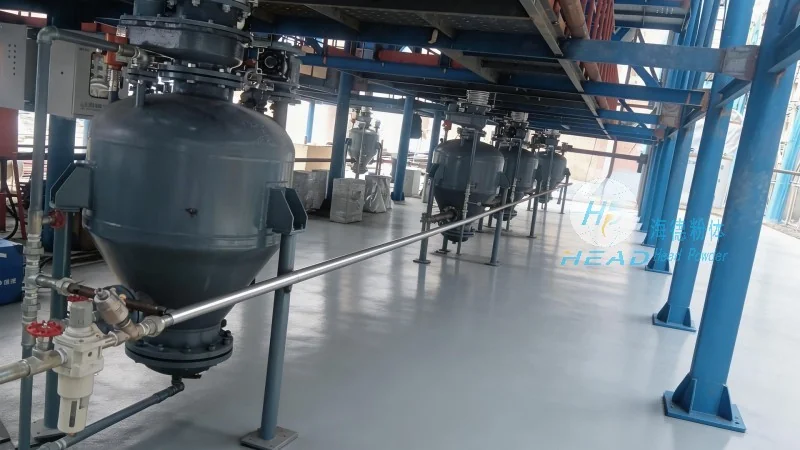
Understanding Sawdust Wood Chip Pneumatic Conveying
Pneumatic conveying, also known as air conveying, is a method of transporting bulk materials like sawdust and wood chips using air as the conveying medium. Unlike mechanical systems that rely on belts, screws, or buckets, pneumatic systems utilize the force of air to move materials through pipes. This technology is particularly advantageous for handling fine, dusty, or abrasive materials that might be difficult to transport with traditional equipment.
Key Components of Pneumatic Conveying Systems
At the core of any pneumatic conveying system are several essential components. The sawdust wood chip feeder is responsible for introducing the material into the system. The conveying line, typically made of metal or plastic pipes, transports the material. A separator or cyclone is used to separate the material from the air stream, and a receiver or storage tank holds the conveyed material. In some systems, a blower or vacuum pump provides the necessary air pressure or vacuum to move the material.
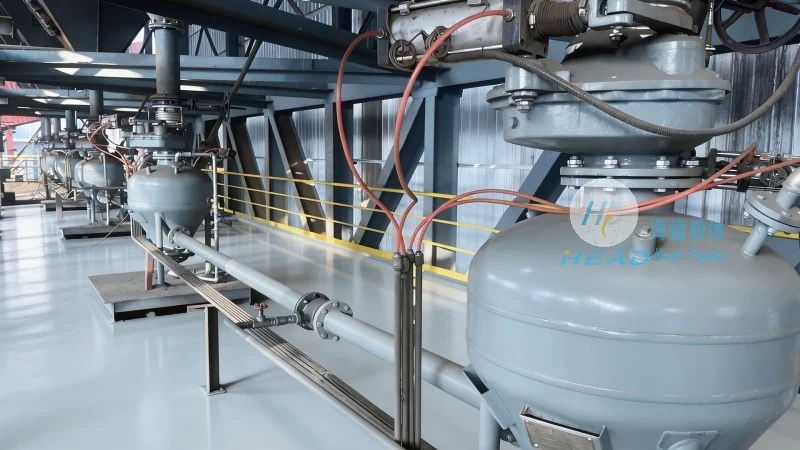
Classification of Pneumatic Conveying Systems
Pneumatic conveying systems are generally classified into two main types: pressure and vacuum systems. Pressure systems use a blower to push air and material through the pipeline, while vacuum systems use a vacuum pump to draw material into the system. Within these categories, subtypes include dense-phase and dilute-phase systems. Dense-phase systems operate at higher air-to-material ratios, resulting in slower but more efficient transport, ideal for delicate or abrasive materials. Dilute-phase systems operate at lower air-to-material ratios, allowing for faster transport but with higher energy consumption.
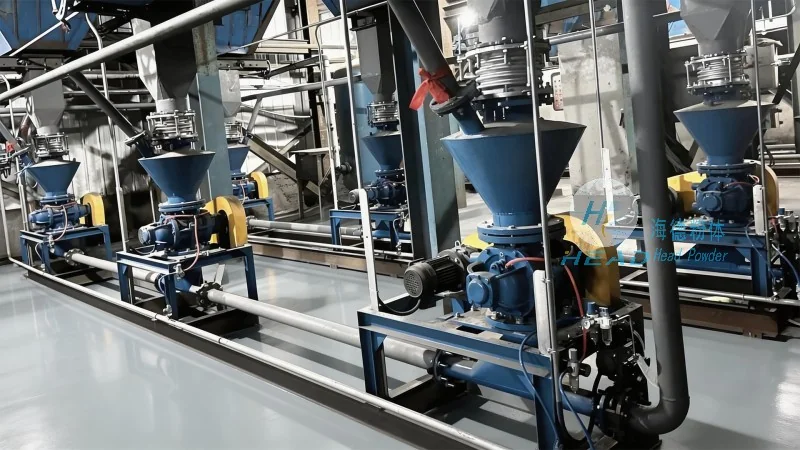
Applications of Sawdust Wood Chip Pneumatic Conveying
The versatility of pneumatic conveying makes it suitable for a wide range of applications in the wood processing industry. In sawmills and wood chip plants, pneumatic systems are used to transport raw wood chips from storage to processing equipment, such as grinders or dryers. In manufacturing facilities, they are employed to move finished wood products, like particleboard or fiberboard, from production lines to packaging areas. Additionally, in biomass energy plants, pneumatic conveying is used to transport wood chips to boilers for combustion, ensuring a consistent and efficient fuel supply.
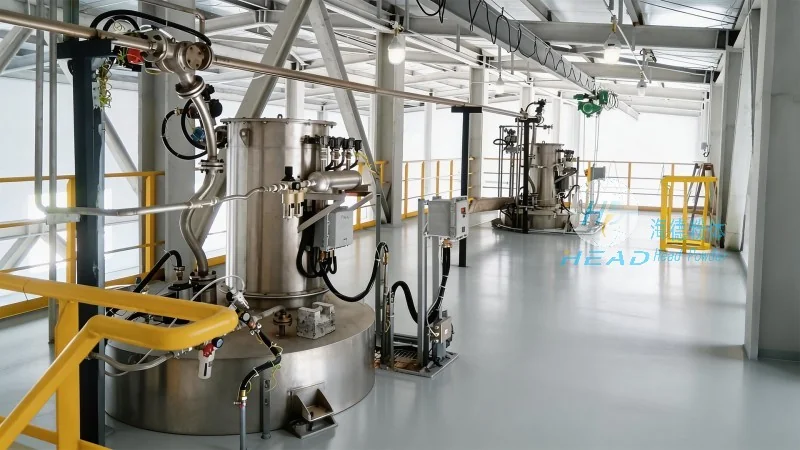
Benefits of Using Pneumatic Conveying for Sawdust and Wood Chips
Adopting pneumatic conveying for sawdust and wood chip handling offers several advantages. First, it eliminates the need for manual labor in material transport, reducing operational costs and improving workplace safety. Second, the system is highly flexible, allowing for changes in material flow direction or destination without major modifications. Third, it minimizes material degradation, as the enclosed system prevents exposure to moisture, dust, or contaminants. Finally, pneumatic conveying systems are compact and can be installed in confined spaces, making them suitable for facilities with limited floor area.
Case Study: HeadPowder's Pneumatic Conveying Solutions
Shandong HeadPowder Engineering Co., Ltd., a leading provider of material handling solutions, specializes in designing and manufacturing customized pneumatic conveying systems for wood chip and sawdust applications. With years of experience in the industry, HeadPowder has developed advanced systems that meet the specific needs of wood processing facilities. For example, a client in Shandong, China, required a system to transport sawdust from a storage silo to a drying oven. HeadPowder designed a dense-phase pressure system that efficiently moved the material while maintaining low dust emissions. The system reduced material loss by 15% and decreased energy consumption by 20% compared to traditional mechanical systems.