

What is Polyethylene Powder Pneumatic Conveying? Classification and Applications of Pneumatic Convey
Understanding the principles and applications of polyethylene powder pneumatic conveying is crucial for industries dealing with bulk material handling. This article explores the fundamentals of this technology, its classification, and practical applications, providing insights into how it enhances material transport efficiency.
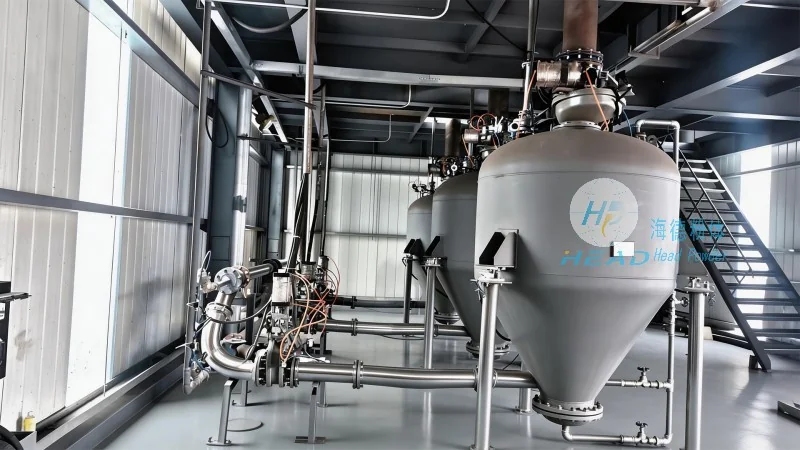
Polyethylene Powder Pneumatic Conveying: An Overview
Polyethylene powder pneumatic conveying refers to the process of transporting polyethylene powder through a pipeline using air or other gas as the conveying medium. This method is widely adopted in various industrial sectors due to its ability to handle fine powders like polyethylene efficiently, minimizing material loss and contamination. The system typically consists of a hopper, a blower or compressor, a pipeline network, and a receiver, where the powder is suspended in the air stream and transported to the destination.
Classification of Pneumatic Conveying Systems
Pneumatic conveying systems are categorized based on the pressure differentials maintained during operation. The primary types include:
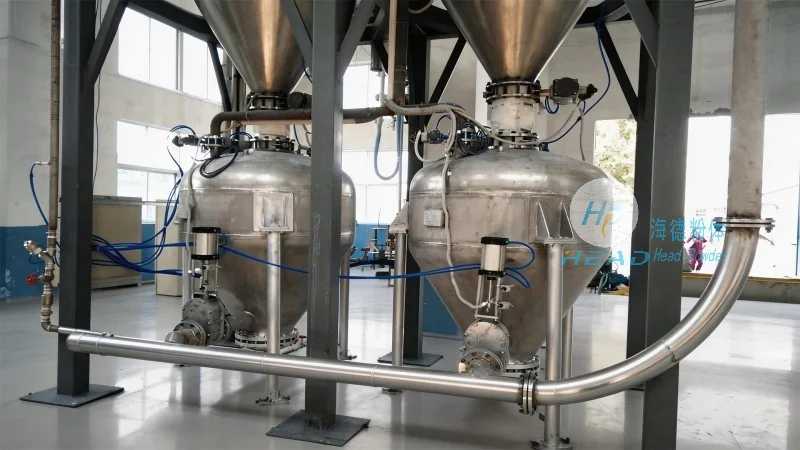
- Positive Pressure (Pressure) Systems: These systems operate at pressures above atmospheric pressure, using a blower or compressor to push the material through the pipeline. They are suitable for long-distance and high-capacity transport, as they can handle larger volumes and overcome higher friction losses.
- Negative Pressure (Vacuum) Systems: In this configuration, the system operates at a pressure lower than atmospheric, drawing material from the source using a vacuum pump. This method is ideal for applications requiring dust control and material collection from multiple points, as it can safely handle powders that may be hazardous or sensitive to contamination.
- Mixed-Pressure Systems: Combining elements of both positive and negative pressure systems, these setups use a combination of blowers and vacuum pumps to optimize material transport. They are versatile and can adapt to varying operational requirements, making them suitable for complex material handling scenarios.
Applications of Pneumatic Conveying in Polyethylene Powder Handling
Polyethylene powder pneumatic conveying finds extensive applications across multiple industries, including:
- Plastic Manufacturing: In the production of polyethylene-based products, such as films, pipes, and containers, pneumatic conveying is used to transport raw powder from storage silos to processing equipment. This ensures a continuous and clean supply of material, reducing downtime and improving production efficiency.
- Pharmaceutical and Food Industries: For handling polyethylene powders used in packaging or processing, pneumatic conveying offers a hygienic and dust-free method. It helps maintain product quality and compliance with industry standards, ensuring that the material remains free from contaminants during transport.
- Construction Materials: In the production of polyethylene-based construction materials, such as insulation or roofing membranes, pneumatic conveying facilitates the transport of raw powder to mixing and extrusion units. This technology enhances the consistency and quality of the final products.
- Chemical Processing: For industries dealing with polyethylene powders in chemical processes, pneumatic conveying provides a reliable method for material transfer. It minimizes the risk of material degradation and ensures precise dosing, which is critical for maintaining process stability and product quality.
Advantages of Pneumatic Conveying for Polyethylene Powder
Implementing pneumatic conveying systems for polyethylene powder offers several advantages over traditional methods like belt conveyors or manual handling:
- Efficiency and Speed: The system enables rapid and continuous material transport, reducing handling time and increasing overall production throughput.
- Reduced Material Loss and Contamination: By keeping the powder in a closed system, the risk of spillage and contamination is minimized, ensuring product purity and compliance with regulatory standards.
- Space Efficiency: Pneumatic conveying systems require less floor space compared to traditional bulk handling equipment, making them suitable for facilities with limited space.
- Flexibility and Scalability: These systems can be easily adapted to changing production needs, allowing for expansion or reconfiguration without significant modifications.
Company Profile: Shandong HeadPowder Engineering Co., Ltd.
Shandong HeadPowder Engineering Co., Ltd., commonly known as HeadPowder, is a leading provider of specialized pneumatic conveying solutions tailored for polyethylene powder handling. With a strong commitment to innovation and quality, the company has established itself as a trusted partner in the industry, offering comprehensive services from system design and installation to maintenance and support.
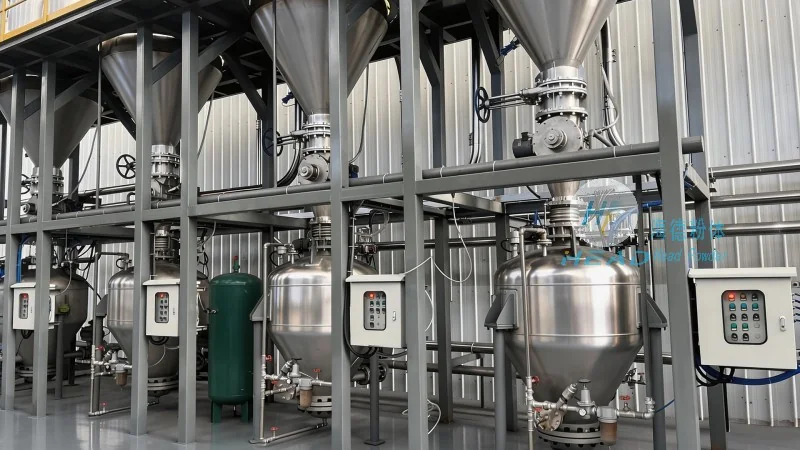
HeadPowder is headquartered in Shandong, China, and leverages advanced engineering expertise to develop customized pneumatic conveying systems that meet the unique requirements of each client. The company’s team of experienced engineers and technicians ensures that every project is executed with precision, adhering to international standards and best practices.
By combining cutting-edge technology with practical application knowledge, HeadPowder delivers reliable and efficient solutions that enhance material handling processes for polyethylene powder. The company’s focus on customer satisfaction and long-term partnerships has earned it a reputation for excellence in the field of bulk material transport.