

What is Cement Additive Pneumatic Conveying? Classification and Applications of Pneumatic Conveying
Understanding the role of cement additives in industrial processes often involves advanced material handling techniques such as pneumatic conveying. This method is crucial for efficiently transporting bulk materials like cement additives, which are essential components in the production of concrete and other building materials. Pneumatic conveying systems utilize air to move powders and granules through a network of pipes, offering a flexible and effective solution for material transport in various industrial settings.
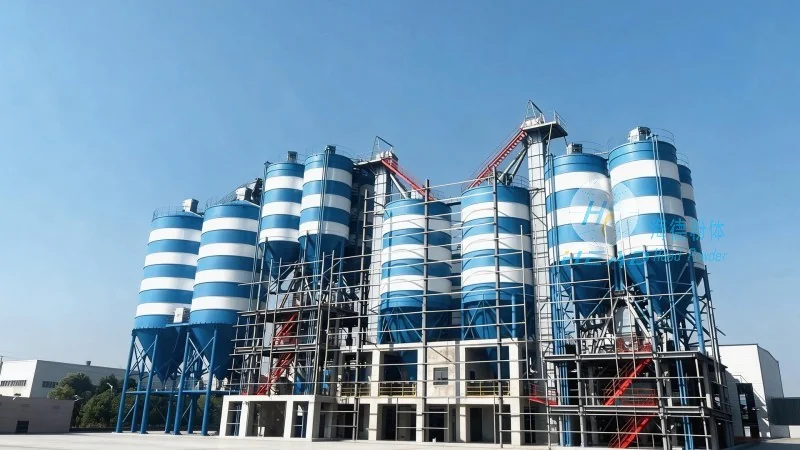
Cement Additive Pneumatic Conveying: An Overview
Pneumatic conveying for cement additives refers to the technology that enables the transport of fine powders and additives, such as fly ash, slag, and limestone, from storage silos or processing units to mixing plants. This process is vital for maintaining consistent material quality and ensuring efficient production workflows. The system typically consists of a blower or compressor that generates airflow, a hopper for material storage, and a pipeline network that directs the material to its destination. The choice of conveying system depends on factors like material characteristics, distance, and required flow rates, with different types of pneumatic conveying offering distinct advantages.
Types of Pneumatic Conveying Systems
There are primarily two types of pneumatic conveying systems used for cement additives: dilute-phase and dense-phase. Dilute-phase systems operate by injecting air into the material stream at a high velocity, creating a cloud of particles suspended in air. This method is suitable for short distances and low to medium material loads, as it requires less energy and is less prone to blockages. Dense-phase systems, on the other hand, use lower air velocities and higher material concentrations, resulting in a more stable and controlled flow. These systems are ideal for longer distances and higher material volumes, as they minimize particle degradation and reduce the risk of system blockages.
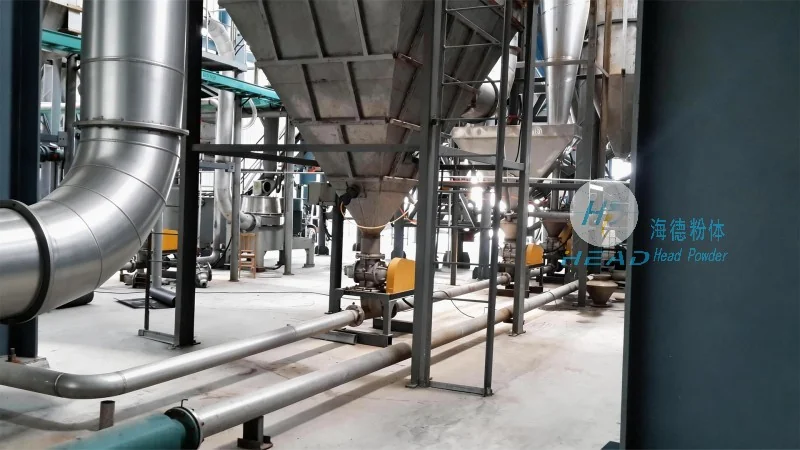
Applications of Pneumatic Conveying in Cement Production
The application of pneumatic conveying in cement production is widespread, particularly in the handling of supplementary cementitious materials (SCMs) like fly ash and ground granulated blast-furnace slag (GGBS). These materials are often sourced from external suppliers and need to be transported to the cement plant for blending. Pneumatic conveying systems allow for the seamless integration of these additives into the production process, ensuring uniform mixing and consistent product quality. Additionally, the technology is used in the internal transport of cement additives within the plant, such as moving from storage silos to the clinker grinding unit or the cement packing facility.
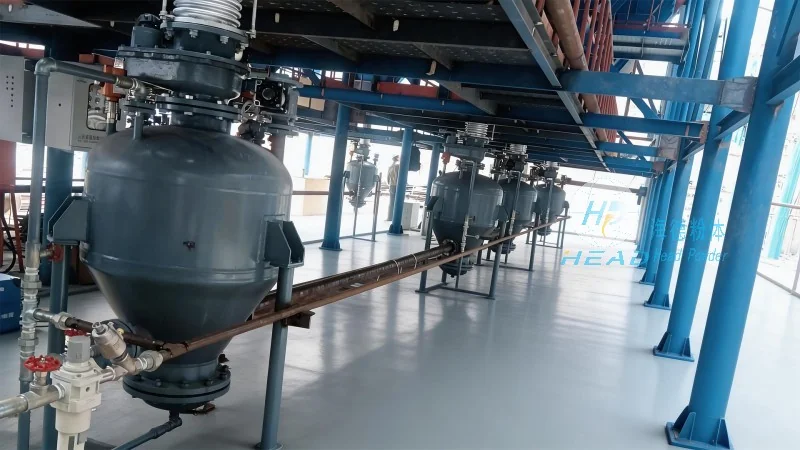
Benefits of Using Pneumatic Conveying for Cement Additives
Implementing pneumatic conveying systems for cement additives offers several key benefits. Firstly, it enhances operational efficiency by reducing downtime associated with material handling. The automated process minimizes the need for manual labor, leading to cost savings and improved safety in the workplace. Secondly, it improves material quality by preventing contamination and degradation during transport. Unlike traditional methods like bucket elevators or belt conveyors, pneumatic systems are less likely to cause dust accumulation or material segregation, which can affect the final product's performance. Thirdly, the flexibility of pneumatic conveying allows for easy integration with existing production lines and the ability to adjust flow rates as production demands change.
HeadPowder Engineering: Experts in Cement Additive Handling Solutions
Shandong HeadPowder Engineering Co., Ltd., a leading provider of engineering solutions for bulk material handling, specializes in designing and manufacturing pneumatic conveying systems tailored to the needs of the cement industry. With a focus on innovation and customer satisfaction, HeadPowder has developed advanced technologies that address the unique challenges of transporting cement additives. The company's expertise lies in understanding the material properties of various additives and selecting the most appropriate conveying system to ensure optimal performance. HeadPowder's solutions are designed to meet the specific requirements of each client, whether it's for new plant installations or upgrades to existing systems. The company's commitment to quality and reliability has made it a trusted partner for many cement manufacturers worldwide.