

What is Lithium Hexafluorophosphate Pneumatic Conveying? Classification and Applications of Pneumati
Understanding Lithium Hexafluorophosphate Pneumatic Conveying: Classification and Applications
Pneumatic Conveying Basics and Its Relevance to Lithium Hexafluorophosphate
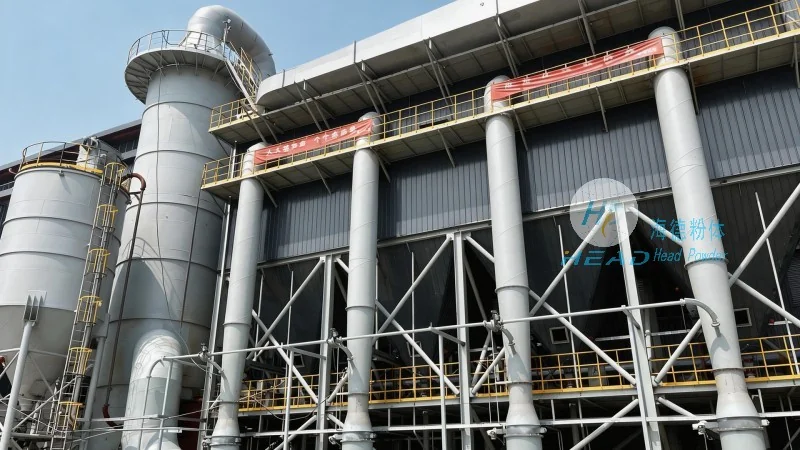
Lithium hexafluorophosphate (LiPF6) is a critical electrolyte in lithium-ion batteries, playing a vital role in enabling the efficient flow of ions between the anode and cathode. The handling and transportation of LiPF6 powders require specialized techniques to ensure safety, efficiency, and product integrity. Pneumatic conveying is a widely adopted method for transporting such powders, offering advantages like dust-free operation, low maintenance, and the ability to handle fine particles. This section provides an overview of pneumatic conveying, its classifications, and its applications, particularly in the context of LiPF6 handling.
HeadPowder Engineering: A Specialist in Pneumatic Conveying Solutions
Shandong HeadPowder Engineering Co., Ltd., a leading provider of engineering solutions, specializes in the design, manufacturing, and implementation of pneumatic conveying systems tailored for lithium battery materials. With a focus on precision and reliability, HeadPowder offers customized solutions that address the unique challenges of handling LiPF6 and other fine powders. The company’s expertise lies in understanding the material properties and process requirements to deliver efficient and safe conveying systems. Based in Shandong, China, HeadPowder leverages local manufacturing capabilities and industry knowledge to serve clients globally.
Types of Pneumatic Conveying Systems
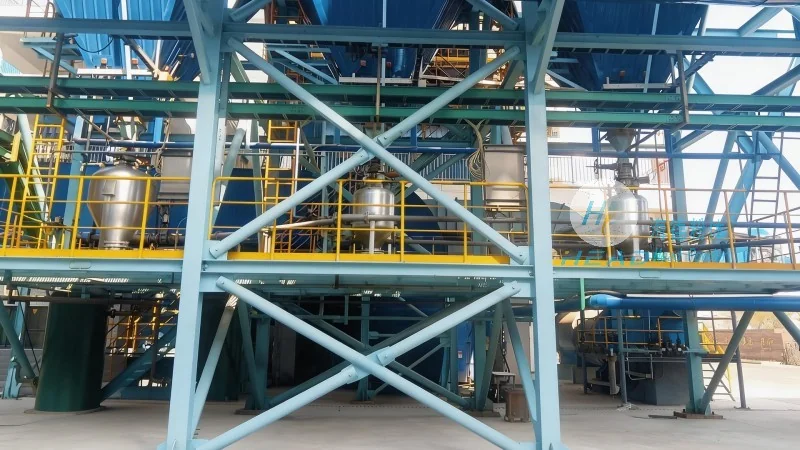
Pneumatic conveying systems are categorized based on the direction of air flow and the pressure used. The two primary types are pressure and vacuum systems. Pressure systems use compressed air to push material through a pipeline, while vacuum systems use a vacuum to pull material. Each type has its own advantages and is suitable for different applications. For LiPF6, which is a fine powder with low bulk density, pressure systems are often preferred due to their ability to handle long distances and multiple transfers without significant pressure loss. Vacuum systems, on the other hand, are suitable for short-distance conveying or when the material needs to be transported from a lower to a higher elevation.
Applications of Pneumatic Conveying in LiPF6 Handling
The application of pneumatic conveying in LiPF6 handling is crucial for ensuring the smooth operation of battery manufacturing processes. Key applications include:
- Conveying LiPF6 from storage silos to mixing and blending equipment, ensuring a consistent feed rate and preventing material degradation.
- Transporting LiPF6 between different stages of the battery production line, such as from the mixing stage to the coating or cell assembly stages.
- Handling LiPF6 in quality control and testing processes, where precise and dust-free transfer is essential for accurate analysis.
By using pneumatic conveying, manufacturers can maintain the purity and quality of LiPF6, which is critical for the performance and safety of lithium-ion batteries. The systems also help in reducing labor costs and improving operational efficiency by automating the material handling process.
Key Considerations for Pneumatic Conveying of LiPF6
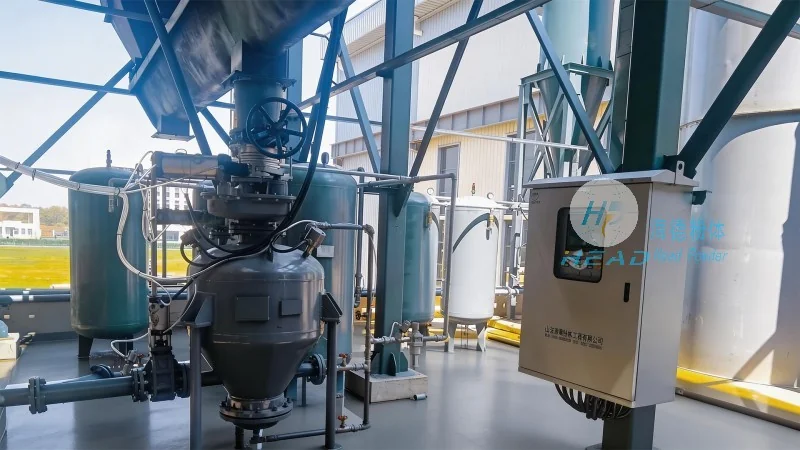
When implementing pneumatic conveying systems for LiPF6, several factors need to be considered to ensure optimal performance and safety. These include:
- Material properties: LiPF6 is a hygroscopic and reactive material. The conveying system must be designed to minimize exposure to moisture and air, preventing degradation and ensuring product stability.
- System design: The pipeline layout, air velocity, and pressure levels must be carefully selected to prevent particle agglomeration and ensure smooth flow. Proper filtration and cleaning mechanisms are also essential to maintain system efficiency.
- Safety measures: Due to the flammability and reactivity of LiPF6, the conveying system must incorporate safety features such as explosion-proof components, overpressure relief valves, and proper grounding to prevent accidents.
Conclusion: The Role of Pneumatic Conveying in LiPF6 Handling
Pneumatic conveying is a vital technology in the handling of lithium hexafluorophosphate, enabling efficient, safe, and reliable transportation of this critical battery material. By understanding the different types of pneumatic conveying systems and their applications, manufacturers can optimize their processes and improve overall productivity. Companies like Shandong HeadPowder Engineering Co., Ltd. play a crucial role in providing tailored solutions that meet the specific needs of the lithium battery industry, ensuring that LiPF6 is handled with the precision and care it requires.