

Classification and Application Analysis of Dust Gas-Pneumatic Conveying Systems
HeadPowder, a leading provider of industrial conveying solutions, specializes in dust gas-pneumatic conveying systems. These systems are designed to efficiently transport bulk materials, particularly dusty or fine particles, through the use of air pressure or vacuum. The company, based in Shandong, China, offers a range of advanced solutions tailored to various industrial applications, ensuring reliable and efficient material handling processes.
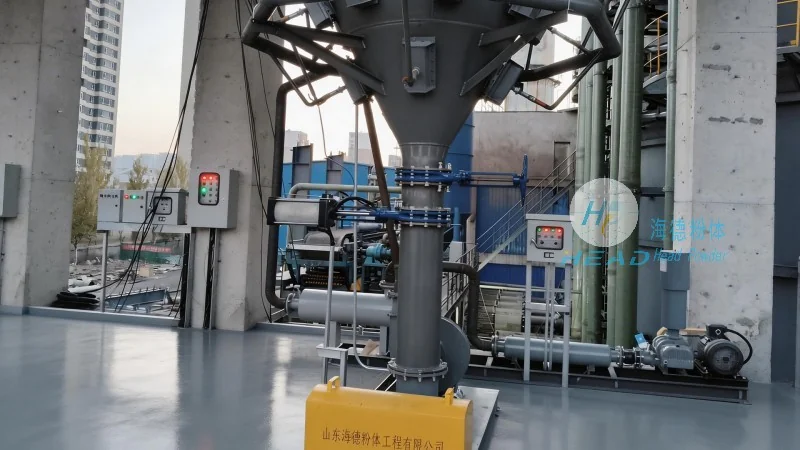
Classification of Dust Gas-Pneumatic Conveying Systems
Dust gas-pneumatic conveying systems can be broadly classified into several categories based on their operational principles and design characteristics. The primary classifications include positive pressure systems, negative pressure systems, and hybrid systems. Each type has distinct advantages and is suitable for different material properties and operational requirements.
Positive pressure systems operate by blowing air into the conveying line, creating a pressure higher than the ambient air. This method is effective for transporting materials over longer distances and handling materials that are prone to caking or bridging. The system typically uses a blower or compressor to generate the necessary pressure, ensuring consistent material flow. For example, in applications involving fine powders like cement or flour, positive pressure systems provide reliable performance by maintaining a positive pressure environment that prevents material degradation.
Negative pressure systems, on the other hand, create a vacuum in the conveying line, drawing material into the system. This approach is ideal for applications where dust control is critical, as the system captures and contains particles within the sealed line. Negative pressure systems are commonly used in environments where air quality must be maintained, such as in pharmaceutical or food processing industries. The design of these systems includes filters and dust collection units to ensure that no particles are released into the atmosphere, making them a preferred choice for applications requiring high levels of environmental protection.
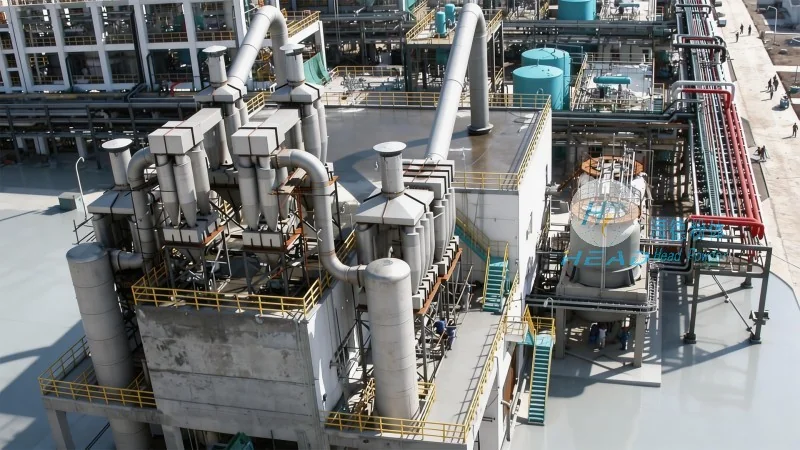
Hybrid systems combine elements of both positive and negative pressure operations. They may use a combination of blowers and vacuum pumps to achieve optimal performance. This classification is particularly useful for applications that require flexibility in material handling, such as transporting materials with varying particle sizes or moisture content. Hybrid systems can adapt to different operational conditions, making them versatile for a wide range of industrial needs.
Key Components and Working Principles
The efficiency and effectiveness of dust gas-pneumatic conveying systems depend on several key components. These include the blower or vacuum pump, conveying lines, material feeders, and control systems. The blower or vacuum pump generates the necessary air flow, either by compressing air (positive pressure) or creating a vacuum (negative pressure). The conveying lines are typically made of durable materials like stainless steel or plastic to withstand the abrasive nature of the materials being transported. Material feeders are designed to introduce the bulk material into the system at a controlled rate, ensuring consistent flow and preventing blockages. Control systems, often automated, monitor and adjust the system parameters to maintain optimal performance, such as air pressure, flow rate, and material feed rate.
Applications in Various Industries
Dust gas-pneumatic conveying systems find extensive applications across multiple industries due to their versatility and efficiency. In the chemical industry, these systems are used to transport fine powders like chemicals and pigments, ensuring precise dosing and minimal material loss. The food and beverage industry benefits from these systems in handling ingredients like flour, sugar, and spices, maintaining hygiene standards and preventing contamination. The pharmaceutical industry relies on dust gas-pneumatic conveying for transporting active pharmaceutical ingredients (APIs) and other fine powders, where contamination control is paramount. Additionally, in the mining and mineral processing sector, these systems are used to transport ores and other bulk materials, improving operational efficiency and reducing labor costs.
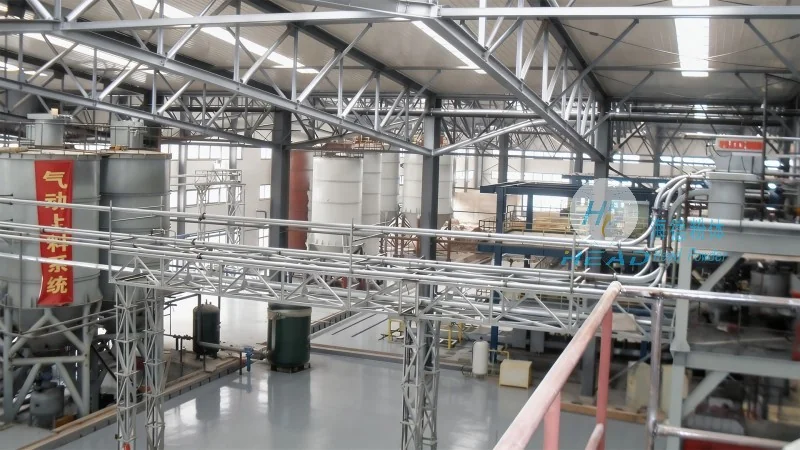
In the construction industry, dust gas-pneumatic conveying systems are employed to transport materials like cement, sand, and gravel. This method is particularly advantageous for long-distance transport and vertical lifting, as it eliminates the need for manual handling and reduces the risk of material spillage. The system's ability to handle abrasive materials makes it suitable for construction sites where durability is essential. Furthermore, in the agricultural sector, these systems are used to transport grain and other agricultural products, facilitating efficient storage and processing. The systems help in maintaining the quality of the products by minimizing dust exposure and preventing contamination.
Advantages and Considerations
Implementing dust gas-pneumatic conveying systems offers several advantages over traditional material handling methods. These include reduced labor costs, as the system automates the material transport process, minimizing the need for manual handling. The systems also improve safety by reducing the risk of dust explosions and minimizing exposure to harmful particles. Additionally, they offer flexibility in material handling, allowing for the transport of various materials with different properties, such as particle size, moisture content, and density. The systems are also energy-efficient, as they use air as the primary medium, which is more cost-effective compared to other methods like belt conveyors or trucks.
However, there are considerations to keep in mind when selecting a dust gas-pneumatic conveying system. The choice of system type (positive, negative, or hybrid) depends on the specific material properties and operational requirements. For example, positive pressure systems are better suited for materials that are prone to caking, while negative pressure systems are ideal for applications requiring strict dust control. The system's design must also consider the distance and height of the transport, as well as the material's flow characteristics. Proper maintenance and regular cleaning of the conveying lines and filters are essential to ensure the system's longevity and performance. Additionally, the initial investment cost of these systems can be higher compared to traditional methods, but the long-term benefits in terms of efficiency and safety often outweigh the initial expenses.