

Classification and Application Analysis of Sugar Bulk Material Pneumatic Conveying Systems
Shandong HeadPowder Engineering Co., Ltd., a professional manufacturer and supplier based in China, specializes in the design, production, and installation of bulk material handling equipment. The company, commonly known as HeadPowder, focuses on providing efficient and reliable solutions for the sugar industry, particularly through advanced pneumatic conveying systems. This article aims to explore the classification of sugar pneumatic conveying systems and their practical applications, highlighting the technical aspects and operational benefits for sugar processing facilities.
Overview of Sugar Pneumatic Conveying Systems
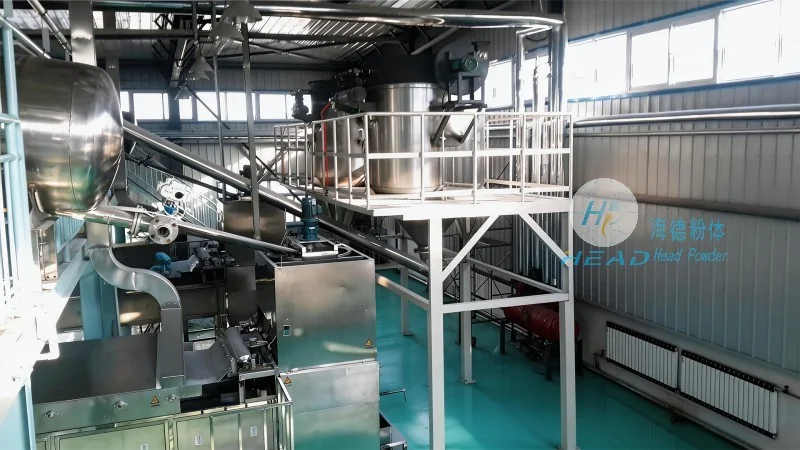
Sugar pneumatic conveying systems are essential for the efficient transport of bulk sugar from storage to processing units or packaging areas. These systems utilize air pressure or vacuum to move sugar particles through pipelines, offering advantages such as reduced labor costs, minimized product contamination, and improved safety compared to traditional mechanical conveying methods. The primary components of a typical sugar pneumatic conveying system include a hopper, feeder, conveying line, and receiver, with optional accessories like filters, cyclones, and dust collectors to enhance performance and maintain product quality.
Classification of Sugar Pneumatic Conveying Systems
Sugar pneumatic conveying systems can be broadly classified into two main categories based on the operating principle: pressure systems and vacuum systems. Pressure systems operate by blowing air or other gases into the conveying line under positive pressure, while vacuum systems use suction to draw material from the source. Within these categories, subtypes exist based on the specific design and application requirements.
Pressure Pneumatic Conveying Systems
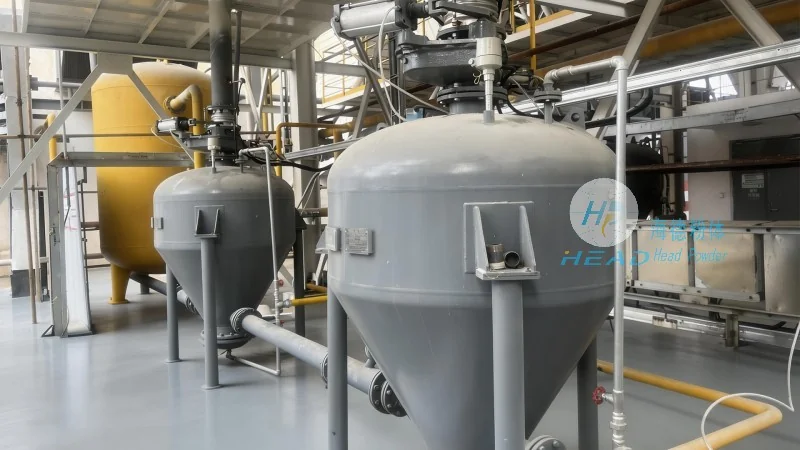
Pressure systems are commonly used for short to medium-distance conveying of sugar, typically up to several hundred meters. They are suitable for applications where the sugar is stored in silos or hoppers and needs to be transported to processing equipment or packaging lines. The system operates by feeding sugar from the hopper into the conveying line using a rotary valve or screw feeder, then compressing air and injecting it into the line to push the sugar forward. Key advantages of pressure systems include high conveying capacity, ability to handle abrasive materials, and reduced risk of product degradation due to minimal contact with equipment surfaces. However, they may require higher air pressure and more robust components to handle the higher pressures involved.
Vacuum Pneumatic Conveying Systems
Vacuum systems are ideal for longer-distance conveying, often exceeding 500 meters, and are commonly used when the sugar needs to be transported from multiple sources or when the receiving point is at a lower elevation. These systems operate by creating a negative pressure in the conveying line, which draws sugar from the source and pulls it through the pipeline to the receiver. Vacuum systems are particularly effective for handling fine or powdery sugar, as the suction action helps maintain the material's flow characteristics. They are also suitable for applications where the receiving point is at a lower level than the source, as the vacuum helps lift the sugar against gravity. However, vacuum systems may have lower conveying capacities compared to pressure systems and require careful design to prevent air leaks and maintain efficient operation.
Application Analysis of Sugar Pneumatic Conveying Systems
The choice of a pneumatic conveying system for sugar processing depends on several factors, including the distance between the source and receiver, the volume of sugar to be transported, the sugar's physical properties (such as particle size and moisture content), and the specific requirements of the processing facility. For instance, in large-scale sugar refineries, a combination of pressure and vacuum systems may be used to handle different stages of the process, such as transporting raw sugar from storage silos to the refining equipment and then moving refined sugar to packaging lines. In smaller sugar processing plants, a single pressure system may suffice for short-distance conveying between the storage and processing areas.
Operational Benefits and Considerations
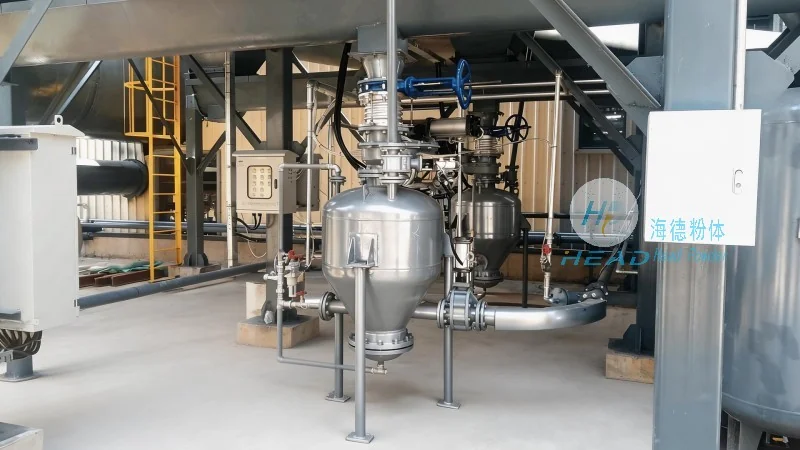
Implementing a pneumatic conveying system for sugar handling offers several operational benefits. Firstly, it reduces the need for manual handling, which improves workplace safety and minimizes the risk of product contamination. Secondly, the enclosed system prevents dust and moisture from entering the environment, maintaining the quality of the sugar and complying with environmental regulations. Thirdly, the system can be easily integrated with other processing equipment, such as crushers, classifiers, and mixers, to form a complete production line. However, operators must consider several factors when selecting and operating a pneumatic conveying system for sugar. These include the air pressure requirements, the type of feeder used to control the flow rate, the design of the conveying line to prevent blockages, and the maintenance of components like filters and cyclones to ensure consistent performance. Proper maintenance is crucial to prevent system downtime and maintain the efficiency of the conveying process.
Conclusion
Shandong HeadPowder Engineering Co., Ltd. provides comprehensive solutions for sugar pneumatic conveying systems, catering to the diverse needs of the sugar industry. By understanding the classification and application of these systems, sugar processing facilities can select the most appropriate equipment to enhance their operational efficiency and product quality. The company's expertise in designing and manufacturing custom pneumatic conveying systems ensures that clients receive tailored solutions that meet their specific requirements, supporting their long-term success in the competitive sugar market.