

Classification and Application Analysis of Soda Ash Pneumatic Conveying Systems
HeadPowder, a leading engineering company based in Shandong, China, specializes in the design, manufacturing, and implementation of advanced pneumatic conveying systems for soda ash applications. This article provides a comprehensive classification of these systems and an analysis of their practical applications in various industrial settings.
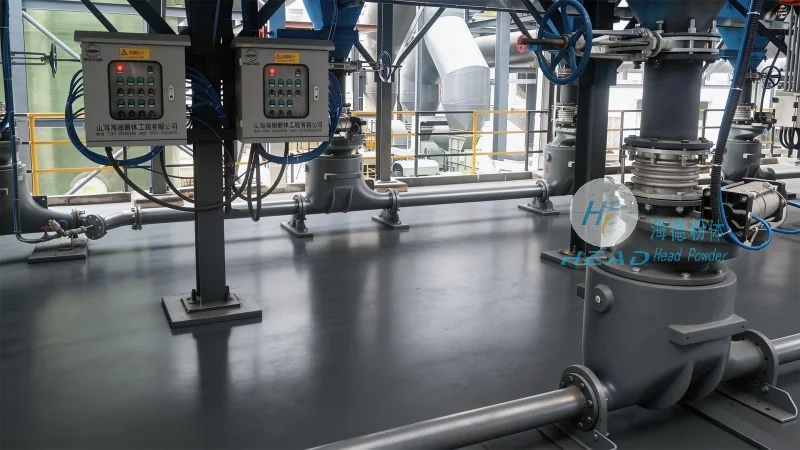
Introduction to Soda Ash Pneumatic Conveying Systems
Soda ash, or sodium carbonate, is a critical industrial chemical used in glass manufacturing, chemical production, and water treatment. The efficient and safe transportation of soda ash from storage to processing units is essential for maintaining production efficiency and ensuring product quality. Pneumatic conveying systems offer a reliable solution for this task, utilizing air or other gases to transport bulk materials like soda ash through pipelines. These systems are preferred for their ability to handle abrasive materials, minimize dust emissions, and operate in a closed environment, enhancing safety and environmental compliance.
Classification of Pneumatic Conveying Systems for Soda Ash
Pneumatic conveying systems for soda ash can be broadly classified into two main categories based on the direction of material flow and the pressure used: dilute-phase and dense-phase systems.
Dilute-Phase Pneumatic Conveying Systems
Dilute-phase systems operate at relatively low pressure (typically below 0.7 bar) and use a high volume of air to transport material. The material is suspended in the air stream, moving through the pipeline at high velocity. This type of system is suitable for short to medium-distance transport and for materials that are not highly abrasive or sensitive to pressure. For soda ash, dilute-phase systems are often used in applications where the material needs to be conveyed over short distances, such as within a single production facility. The key advantage of dilute-phase systems is their low capital cost and simple design, making them an economical choice for many industrial applications.
Dense-Phase Pneumatic Conveying Systems
Dense-phase systems, also known as low-pressure or pressure-pulse systems, operate at higher pressure (typically 1 to 2 bar) and use a lower volume of air compared to dilute-phase systems. The material is conveyed in a dense, slurry-like state, with the air acting as a carrier to push the material through the pipeline. This method is ideal for transporting soda ash over longer distances or when the material is more abrasive or sensitive to high velocities. Dense-phase systems are particularly effective for applications requiring precise control over material flow and for minimizing product degradation. They are commonly used in industries where the material must be delivered to specific processing units with minimal loss or contamination.
Key Components of Soda Ash Pneumatic Conveying Systems
Regardless of the system type, soda ash pneumatic conveying systems typically consist of several key components that work together to ensure efficient and reliable operation. These components include:
Feeder
The feeder is responsible for accurately and consistently feeding the soda ash material into the conveying system. For bulk materials like soda ash, a rotary valve or a screw feeder is commonly used. The feeder must be designed to handle the material's properties, such as its bulk density and flow characteristics, to prevent blockages and ensure a smooth flow into the pipeline.
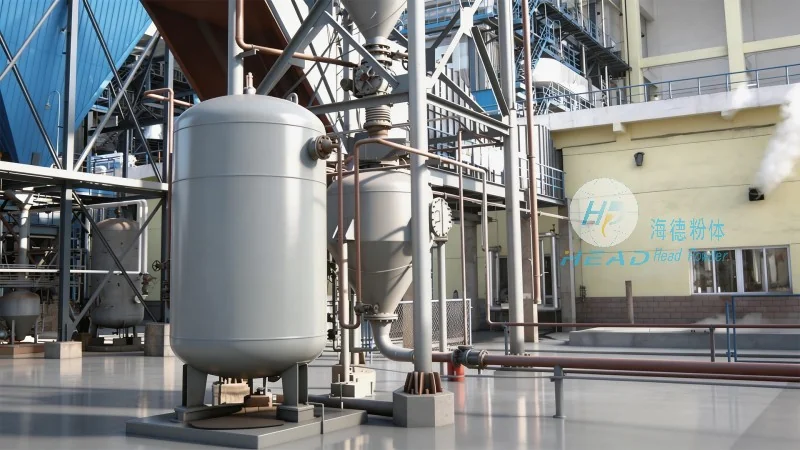
Pneumatic Conveying Unit (PCU)
The PCU is the core of the system, responsible for generating the air pressure and controlling the flow of material. It includes a blower or compressor, a filter to remove dust from the air, and a control system to regulate the pressure and flow rate. The PCU must be capable of handling the specific requirements of soda ash, such as its abrasive nature and potential for dust generation, to ensure long-term reliability and minimal maintenance.
Pipeline System
The pipeline system is a network of pipes that transports the soda ash from the feeder to the destination point, such as a storage silo or a processing unit. The pipes are typically made of materials resistant to corrosion and abrasion, such as stainless steel or special alloys, to withstand the effects of soda ash over extended periods. The design of the pipeline, including the slope and bends, is critical to ensure that the material flows smoothly and does not settle or block the system.
Receiver
The receiver is the final component of the system, where the soda ash is deposited after being conveyed through the pipeline. It is typically a silo or a hopper designed to store the material until it is used in the next stage of production. The receiver must be equipped with a discharge valve or a rotary valve to control the flow of material out of the system, ensuring that the material is released in a controlled manner and without causing any blockages or spills.
Applications of Soda Ash Pneumatic Conveying Systems
Soda ash pneumatic conveying systems are widely used in various industries due to their versatility and efficiency. The primary applications include:
Glass Manufacturing
In the glass industry, soda ash is a key raw material used to lower the melting point of silica sand. Pneumatic conveying systems are used to transport soda ash from storage silos to the glass melting furnaces. The systems must be designed to handle the high temperatures and abrasive nature of the material, ensuring that the conveying process does not interfere with the glass production process. The efficiency of the system directly impacts the overall productivity of the glass manufacturing plant, as any downtime or inefficiency in material transport can lead to production delays.
Chemical Production
Soda ash is also used in the production of other chemicals, such as sodium bicarbonate and sodium silicate. Pneumatic conveying systems are used to transport soda ash from storage to the reaction vessels or processing units. The systems must be capable of handling the material's chemical properties, such as its reactivity and potential to cause corrosion, to ensure that the material is conveyed safely and without causing any damage to the equipment.
Water Treatment
Soda ash is used in water treatment processes to adjust the pH level of water and to remove impurities. Pneumatic conveying systems are used to transport soda ash from storage to the water treatment facilities. The systems must be designed to handle the material's ability to dissolve in water and to prevent any contamination of the water supply. The efficiency of the system is critical to ensuring that the water treatment process is effective and that the treated water meets the required quality standards.
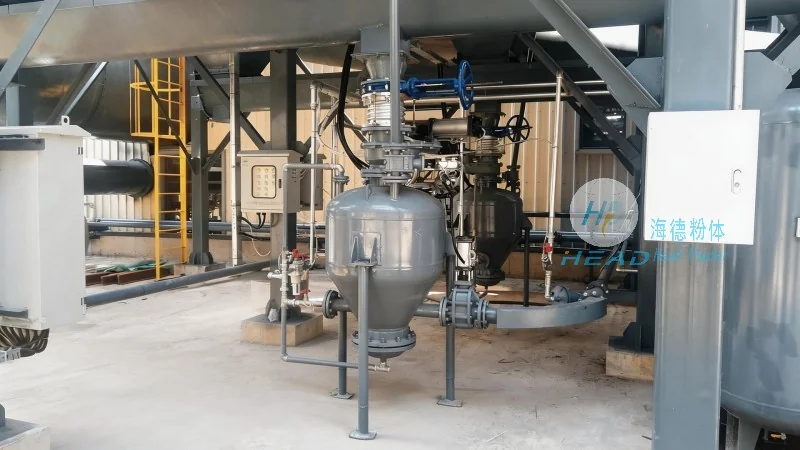
Advantages and Considerations for Soda Ash Pneumatic Conveying Systems
While pneumatic conveying systems offer numerous advantages for soda ash transportation, there are also several considerations that must be taken into account when selecting and implementing such a system. The main advantages include:
Efficiency and Reliability
Pneumatic conveying systems are highly efficient in transporting bulk materials like soda ash, with minimal material loss and high throughput rates. They are also reliable, with a low risk of blockages or system failures, as long as they are properly designed and maintained.
Environmental Benefits
Compared to traditional methods of material transport, such as truck or rail, pneumatic conveying systems are more environmentally friendly. They minimize dust emissions and reduce the need for large storage areas, contributing to a cleaner and more sustainable industrial operation.
Flexibility
Pneumatic conveying systems are flexible and can be easily adapted to different production requirements. They can be used for short or long-distance transport, and the system can be expanded or modified as the production needs change.
However, there are also some considerations to keep in mind. Pneumatic conveying systems require regular maintenance to ensure optimal performance, and the initial capital cost can be higher than other transport methods. Additionally, the system must be designed to handle the specific properties of soda ash, such as its abrasive nature and potential for dust generation, to ensure long-term reliability and minimal maintenance.
Conclusion
Soda ash pneumatic conveying systems are an essential component of modern industrial operations, providing an efficient and reliable method for transporting this critical chemical. The classification of these systems into dilute-phase and dense-phase types allows for the selection of the most appropriate system based on the specific application requirements. By understanding the key components and applications of these systems, industrial facilities can make informed decisions about the implementation of pneumatic conveying solutions that best meet their needs. HeadPowder, with its expertise in engineering and manufacturing, offers comprehensive solutions for soda ash pneumatic conveying systems, ensuring that industrial operations can achieve optimal efficiency and productivity.