

Classification and Application Analysis of PTA Powder Pneumatic Conveying Systems
PTA (Polyethylene Terephthalate Acid) powder is a critical raw material in the production of polyester fibers and resins. Efficient and reliable transportation of PTA powder is essential for maintaining production efficiency and product quality in industrial settings. Pneumatic conveying systems have emerged as a preferred method for handling PTA powder due to their ability to transport materials in a closed system, minimizing dust emissions and ensuring process safety. This article provides an in-depth analysis of the classification of PTA powder pneumatic conveying systems and their practical applications in various industrial sectors, with a focus on solutions offered by Shandong HeadPowder Engineering Co., Ltd. (headpowder).
Introduction to PTA Powder Pneumatic Conveying Systems
Pneumatic conveying systems utilize air or other gases to transport bulk materials like PTA powder from one location to another. These systems are widely adopted in the chemical and petrochemical industries because they offer several advantages over traditional mechanical conveying methods. Key benefits include reduced material degradation, lower maintenance requirements, and improved environmental control. The design of a pneumatic conveying system for PTA powder depends on factors such as the material's properties, the required conveying distance, and the desired flow rate. Understanding the different types of PTA powder pneumatic conveying systems is crucial for selecting the most suitable solution for specific industrial applications.
Classification of PTA Powder Pneumatic Conveying Systems
PTA powder pneumatic conveying systems can be broadly classified into two main categories: pressure and vacuum systems. Each type has distinct characteristics and is suitable for different operational requirements.
Pressure Pneumatic Conveying Systems
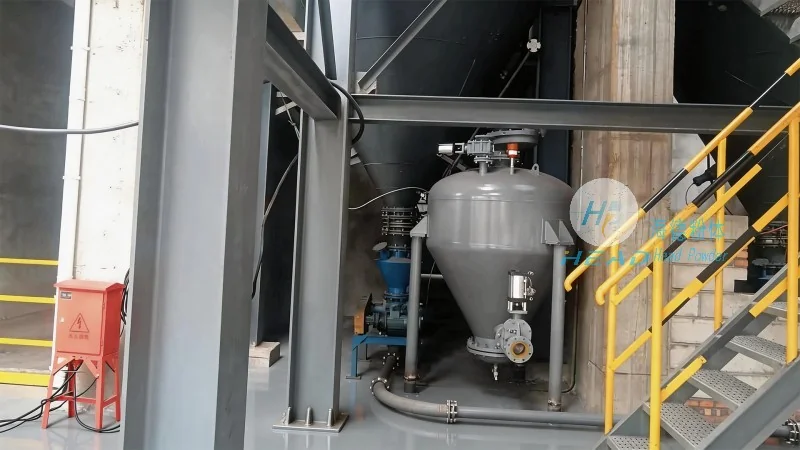
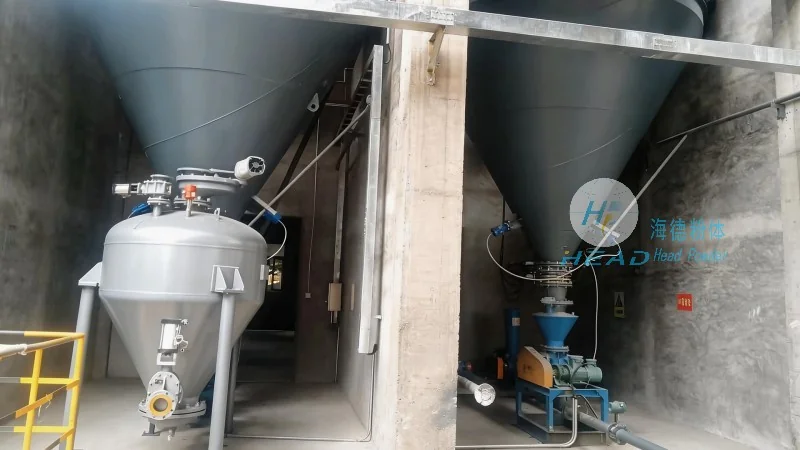
Pressure systems operate by introducing compressed air into the conveying line at the discharge point. The compressed air creates a pressure differential that propels the PTA powder forward. These systems are typically used for short to medium conveying distances and are well-suited for applications where the material needs to be discharged into a container or a processing unit. The primary components of a pressure system include a blower, a hopper, a conveying line, and a receiver. The blower provides the necessary pressure to move the powder, while the hopper stores the material and the receiver collects the conveyed powder. Pressure systems are known for their high conveying capacity and ability to handle abrasive materials like PTA powder without significant wear on the equipment.
Vacuum Pneumatic Conveying Systems
Vacuum systems, on the other hand, operate by creating a negative pressure at the inlet of the conveying line. This vacuum draws the PTA powder from the source into the system. Vacuum systems are ideal for applications requiring long-distance conveying or where the material needs to be transported from multiple points to a central collection point. The main components of a vacuum system include a vacuum pump, a hopper, a conveying line, and a receiver. The vacuum pump generates the negative pressure, and the system is designed to handle materials that are prone to segregation or bridging. Vacuum systems are often preferred in applications where the material is sensitive to pressure or where the conveying distance is greater than what a pressure system can effectively handle.
Application Analysis of PTA Powder Pneumatic Conveying Systems
The choice of a pneumatic conveying system for PTA powder depends on the specific requirements of the industrial process. Different industries utilize these systems in various ways to enhance operational efficiency and product quality.
Application in the PTA Production Process
In the PTA production facility, pneumatic conveying systems are used to transport raw materials such as terephthalic acid and ethylene glycol to the reactors. The systems ensure that the materials are delivered in a controlled manner, preventing contamination and maintaining consistent feed rates. For example, a pressure system may be used to transport PTA powder from storage silos to the reactor feed hoppers, while a vacuum system could be employed to handle fines or recycled materials from the process. The selection of the system type is based on the distance between the storage and the reactor, the material flow rate, and the need for dust control. Efficient PTA powder conveying is critical to maintaining the reaction conditions and ensuring the quality of the final PTA product.
Application in Polyester Fiber Manufacturing
PTA powder is a key ingredient in the production of polyester fibers. After being processed in the PTA plant, the powder is transported to the polyester plant where it is further processed into polymer resin. Pneumatic conveying systems are used to move the PTA powder from the PTA plant to the polyester plant, often over long distances. The systems ensure that the material is transported without degradation and that the process flow is uninterrupted. The choice between pressure and vacuum systems in this application depends on the distance and the number of transfer points. For instance, if the distance is short and the material is to be discharged into a single reactor, a pressure system may be more suitable. Conversely, if the material needs to be transported from multiple points to a central processing unit over a longer distance, a vacuum system might be preferred. The effectiveness of the conveying system directly impacts the overall production efficiency and the quality of the polyester fibers.
Application in Chemical Processing and Storage
Beyond the production stages, PTA powder pneumatic conveying systems are also used in chemical processing and storage facilities. These systems help in transferring PTA powder from storage silos to processing equipment, such as reactors or mixers. The systems are designed to maintain the material's integrity and prevent contamination during transportation. In storage facilities, pneumatic conveying systems are used to move PTA powder from one silo to another, ensuring that the material is evenly distributed and that the inventory is managed efficiently. The use of pneumatic conveying in these applications reduces the risk of dust explosions and improves workplace safety. The systems are also equipped with dust collection and filtration components to comply with environmental regulations and maintain a clean working environment.
Key Considerations for Selecting PTA Powder Pneumatic Conveying Systems
When selecting a PTA powder pneumatic conveying system, several factors must be considered to ensure optimal performance and cost-effectiveness. These factors include the material's properties, the conveying distance, the required flow rate, and the environmental regulations in the operating region.
Material Properties
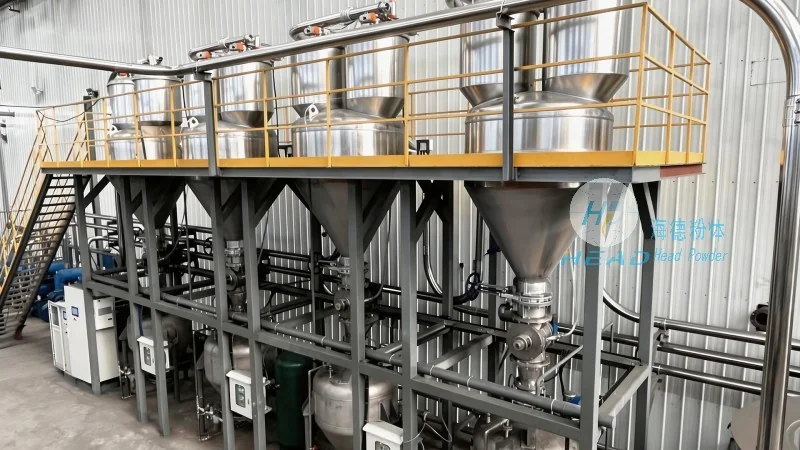
The physical and chemical properties of PTA powder, such as particle size, density, and moisture content, significantly influence the choice of a pneumatic conveying system. For example, fine PTA powder with high moisture content may require a vacuum system to prevent clogging and ensure smooth flow. Conversely, coarse PTA powder with low moisture content may be better suited for a pressure system due to its higher flowability. Understanding the material's properties helps in selecting the appropriate system design, including the type of hopper, the conveying line diameter, and the blower or vacuum pump specifications.
Conveying Distance and Flow Rate
The distance over which the PTA powder needs to be conveyed and the required flow rate are critical parameters in system selection. Pressure systems are generally more suitable for short to medium distances (typically up to 100 meters) with high flow rates, while vacuum systems are better for longer distances (up to several hundred meters) and lower flow rates. The system's capacity must match the production requirements to avoid bottlenecks or overloading. For instance, in a large-scale PTA production plant, a combination of pressure and vacuum systems may be used to handle different material flows and distances efficiently.
Environmental and Safety Regulations
Environmental and safety regulations play a crucial role in the selection of PTA powder pneumatic conveying systems. Pneumatic conveying systems are preferred over open-air systems because they minimize dust emissions and reduce the risk of dust explosions. The systems are equipped with dust collection and filtration equipment to comply with environmental standards. Additionally, the design of the system must consider factors such as explosion-proof components, especially in areas where the material is prone to ignition. Compliance with local regulations ensures that the system operates safely and without environmental impact.
Conclusion
Pneumatic conveying systems are essential for the efficient and safe transportation of PTA powder in various industrial applications. The classification of these systems into pressure and vacuum types provides flexibility in meeting different operational requirements. The choice of a system depends on factors such as the material properties, conveying distance, and environmental regulations. By understanding the characteristics and applications of different PTA powder pneumatic conveying systems, industrial facilities can select the most suitable solution to enhance production efficiency, maintain product quality, and ensure workplace safety. As the demand for PTA and polyester products continues to grow, the importance of reliable PTA powder conveying systems will only increase, making them a critical component in modern industrial operations.