

Common Methods for Bauxite Transport
Bauxite, a primary ore of aluminum, is crucial for various industrial applications. Efficient and reliable transport of bauxite from mining sites to processing facilities is essential for maintaining production efficiency. This article explores the common methods used in bauxite transport, focusing on practical approaches adopted by industries worldwide.
Key Factors Influencing Bauxite Transport Choices
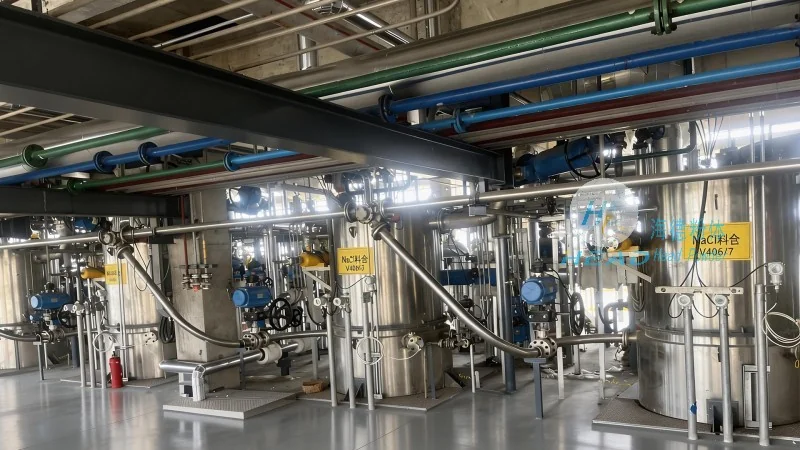
The selection of bauxite transport methods depends on several factors, including the distance between the mine and processing plant, the volume of bauxite to be transported, the terrain of the transport route, and the cost considerations. Companies like Shandong HeadPowder Engineering Co., Ltd. often evaluate these factors to determine the most suitable transport solution for their operations.
1. Belt Conveyor Systems
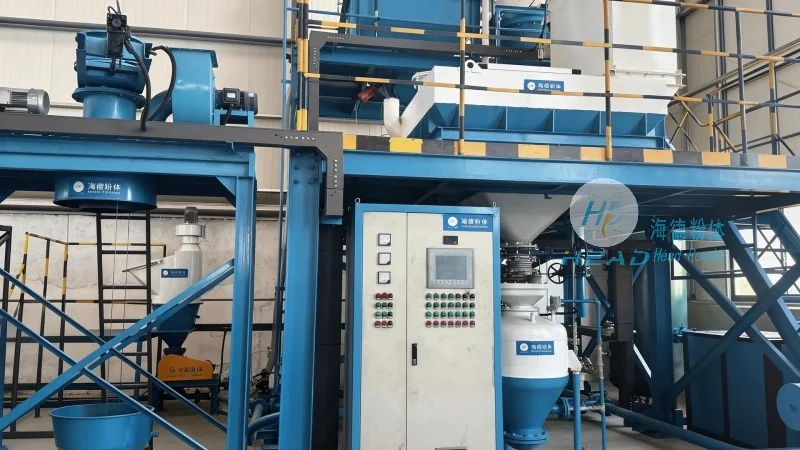
Belt conveyors are widely used for bauxite transport due to their high capacity and ability to handle long distances. These systems consist of a continuous belt that moves bauxite from the mine to the processing plant. The belt is supported by rollers and driven by motors, ensuring smooth and continuous movement. HeadPowder specializes in designing and manufacturing high-efficiency belt conveyor systems tailored to the specific needs of bauxite mining and processing operations.
2. Railway Transportation
For long-distance bauxite transport, especially when the mine and processing plant are located far apart, railway transport is a common choice. Specialized freight trains equipped with bulk cargo wagons can carry large quantities of bauxite over extensive distances. This method is particularly effective for transporting bauxite from remote mining areas to major processing centers. The reliability and capacity of railway transport make it a preferred option for many bauxite producers.
3. Waterway Transport
When the mine or processing plant is near a river or coastal area, waterway transport offers an economical and environmentally friendly option for bauxite transport. Bauxite is loaded onto bulk carriers or barges, which then transport it to the processing facility. This method is suitable for transporting large volumes of bauxite over long distances with lower operational costs compared to other modes. However, the availability of suitable waterways and port facilities is a critical factor in determining the feasibility of waterway transport.
4. Truck and Road Transport
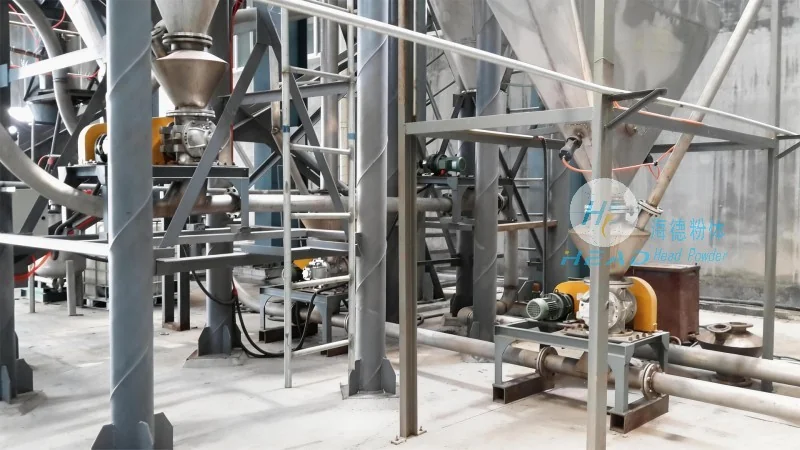
For shorter distances or when the mine and processing plant are not connected by other transport infrastructure, truck and road transport is used. Trucks equipped with specialized trailers can transport bauxite from the mine to the processing plant or to railway stations for further transport. This method provides flexibility and can be used for both short and medium distances. However, it is generally less cost-effective for large-scale bauxite transport compared to other methods.
Conclusion and Company Expertise
Efficient bauxite transport is vital for the aluminum industry's productivity and sustainability. The choice of transport method depends on various operational and logistical factors. Shandong HeadPowder Engineering Co., Ltd., a leading provider of engineering solutions for bauxite processing, offers comprehensive expertise in designing and implementing transport systems tailored to the unique requirements of bauxite operations. By leveraging their experience and advanced technology, HeadPowder helps clients optimize their bauxite transport processes, ensuring cost-effectiveness and operational efficiency.