

Common Methods for Limestone Transportation
Limestone is a widely used material in various industries, including construction, chemical manufacturing, and environmental treatment. The efficient and reliable transportation of limestone is crucial for ensuring smooth operations and meeting production demands. In this article, we will explore the common methods used for limestone transportation, highlighting the key aspects of each approach and how they contribute to the overall logistics process.
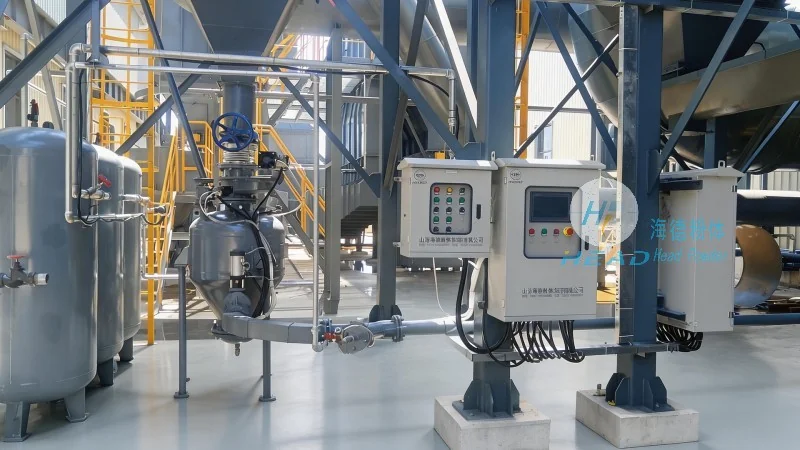
1. Pipeline Transportation
Pipeline transportation is a popular method for moving limestone, especially in large-scale industrial applications. This method involves transporting limestone in a slurry form through a network of pipelines. The limestone is mixed with water to create a slurry, which is then pumped through the pipeline system. This approach is highly efficient as it allows for continuous and uninterrupted flow, reducing the need for intermediate storage and handling. The pipeline system can be designed to cover long distances, making it suitable for transporting limestone from quarries to processing plants or other industrial sites. The key equipment used in pipeline transportation includes slurry pumps, pipelines, and sometimes a thickener to separate the limestone from water if needed. The process is automated and can be controlled remotely, ensuring consistent performance and minimizing human intervention. This method is particularly effective for high-volume transportation and is often used in conjunction with other methods to optimize the overall logistics chain.
2. Belt Conveyor System
Belt conveyor systems are another common method for transporting limestone, especially in mining and quarry operations. These systems use a continuous belt to move limestone from one location to another. The belt is typically made of durable materials such as rubber or synthetic fabrics, designed to withstand the weight and abrasiveness of limestone. The conveyor system consists of a drive unit, a conveyor belt, idlers, and a loading and unloading mechanism. The limestone is loaded onto the belt at the feeding point and then transported to the discharge point. Belt conveyors are known for their high capacity and ability to handle a wide range of materials, including limestone with different particle sizes. They are also relatively low maintenance compared to other methods, making them a cost-effective solution for many industries. The speed and incline of the conveyor can be adjusted to suit the specific requirements of the limestone being transported. This flexibility allows for efficient movement of limestone over short to medium distances, such as within a quarry or between processing stages.
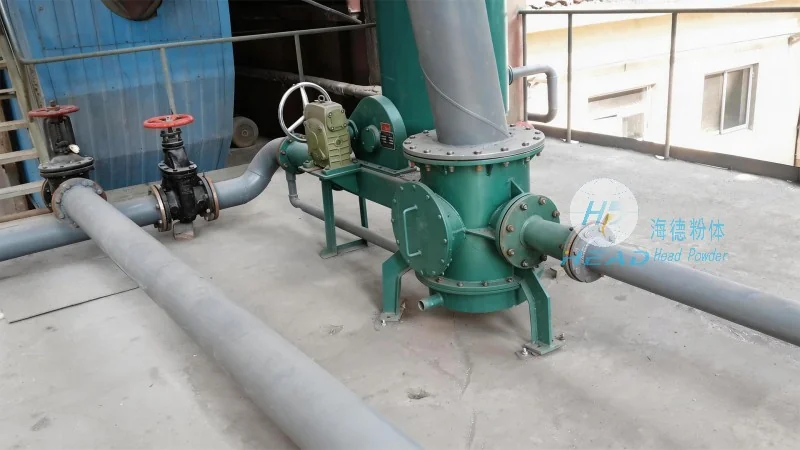
3. Truck Transportation
Truck transportation is a versatile method for moving limestone, particularly for shorter distances or when the destination is not directly connected by pipelines or conveyor systems. This method involves loading limestone into trucks and transporting it to the required location. The trucks used for limestone transportation are typically heavy-duty vehicles equipped with specialized trailers or containers designed to carry bulk materials. The loading process can be done using loaders or other machinery, ensuring that the limestone is loaded efficiently and safely. Truck transportation offers flexibility in terms of route and timing, allowing for delivery to various locations as needed. It is often used in conjunction with other methods to complete the transportation process, such as transporting limestone from the quarry to a pipeline system or a processing plant. The key advantage of truck transportation is its ability to reach areas that are not accessible by other means, such as remote or rural locations. However, it may be less efficient for very high volumes compared to pipeline or conveyor systems, as it involves more stops and potential delays. Despite this, truck transportation remains a critical component of the limestone logistics chain, providing the necessary flexibility and reach.
4. Ship Transportation
For long-distance transportation of limestone, especially when moving large quantities across water bodies, ship transportation is a common method. This involves loading limestone into bulk carriers or specialized ships designed to carry bulk materials. The limestone is typically loaded into the ship's holds using cranes or other loading equipment. The ships are then navigated to the destination port, where the limestone is unloaded using similar equipment. Ship transportation is highly efficient for moving large volumes of limestone over long distances, such as from a quarry in one region to a processing plant in another country. This method is particularly cost-effective for international trade, as it can transport vast quantities of limestone at a lower cost per unit compared to other methods. The key equipment used in ship transportation includes bulk carriers, cranes, and port facilities. The process is well-established and follows strict safety and environmental regulations to ensure the safe transport of limestone and minimize any potential impact on the environment. Ship transportation is often used in conjunction with other methods, such as truck or pipeline transportation, to complete the entire logistics chain from the quarry to the final destination.
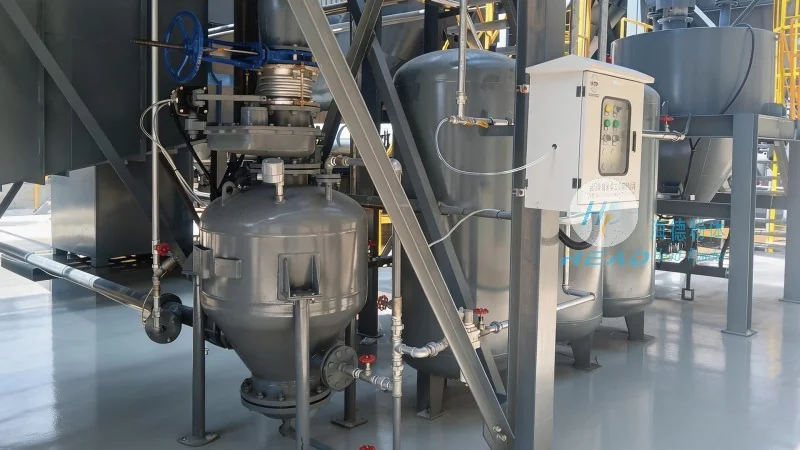
5. Combination of Methods
In many cases, a combination of the above methods is used to transport limestone, depending on the specific requirements of the project and the distance involved. For example, limestone may be extracted from a quarry using a belt conveyor system, then transported via pipeline to a processing plant, and finally shipped to a distant market using a bulk carrier. This integrated approach allows for the optimization of each transportation method, ensuring that the overall logistics process is efficient, cost-effective, and reliable. The combination of methods also helps to address the limitations of each individual method, such as the distance limitations of pipelines or the capacity constraints of trucks. By using a combination of transportation methods, companies can achieve a more flexible and robust logistics system that can adapt to changing market conditions and production demands.
Conclusion
Choosing the right limestone transportation method depends on several factors, including the volume of limestone to be transported, the distance involved, the destination, and the specific requirements of the industry. Pipeline transportation is ideal for high-volume, long-distance transport, while belt conveyors are suitable for shorter distances and mining operations. Truck transportation offers flexibility for shorter routes, and ship transportation is best for international trade. By understanding the advantages and limitations of each method, companies can select the most appropriate transportation method to meet their needs and ensure the efficient and reliable movement of limestone. The Shandong HeadPowder Engineering Co., Ltd. specializes in providing comprehensive solutions for limestone transportation, including the design and implementation of pipeline systems, conveyor systems, and other logistics infrastructure. With their expertise and experience, they can help companies optimize their limestone transportation processes and improve overall operational efficiency.