

Common Methods for Micropowder Conveying
When it comes to handling micropowders, selecting the right conveying method is crucial for ensuring efficiency, safety, and product integrity. Micropowders, such as fine powders used in pharmaceuticals, chemicals, and food industries, require specialized equipment to transport them without degradation or contamination. This article explores the common methods used for micropowder conveying, highlighting the key considerations and applications for each approach.
Understanding Micropowder Conveying: The Core Challenges
Micropowders are characterized by their small particle size, which can range from a few micrometers to hundreds of micrometers. This size makes them prone to caking, agglomeration, and dust generation during handling. Additionally, the materials may be sensitive to moisture, temperature, or air exposure, making the conveying process a critical step in the overall production workflow. The primary goal of micropowder conveying is to move these materials from one location to another while maintaining their quality and preventing environmental contamination.
Common Methods for Micropowder Conveying
1. Positive Pressure Air Conveying (Pneumatic Conveying)
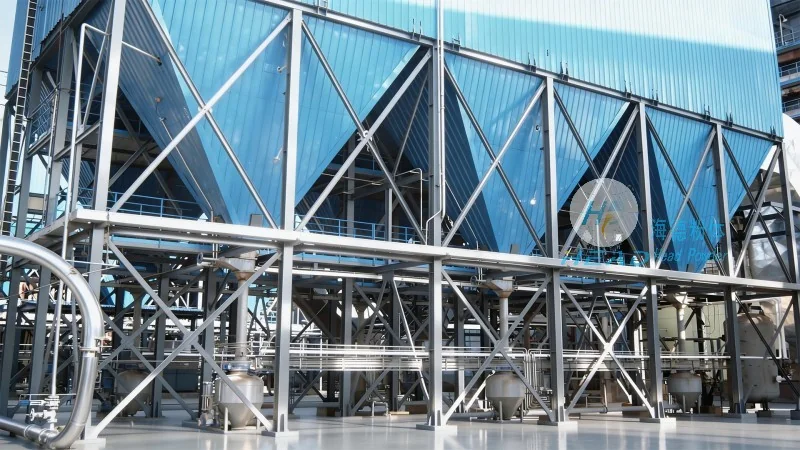
Positive pressure air conveying, also known as pressure pneumatic conveying, is one of the most widely used methods for micropowder transport. In this system, air is supplied under pressure to move the powder through a pipeline. The system typically consists of a blower, a hopper for material storage, and a series of pipes with inlets and outlets. The air flow creates a positive pressure environment that pushes the powder forward. This method is particularly effective for short to medium distances and is suitable for materials that are non-abrasive and have low moisture content. The advantages of positive pressure conveying include high conveying rates, minimal material degradation, and the ability to handle multiple material streams simultaneously. However, it may not be suitable for long-distance applications or for materials that are highly abrasive or sensitive to air exposure.
2. Negative Pressure Air Conveying (Vacuum Conveying)
Negative pressure air conveying, or vacuum conveying, operates by creating a vacuum in the pipeline to draw the powder from the source to the destination. This method is often used for applications where the material needs to be transported from a lower level to a higher one or over longer distances. The system includes a vacuum pump, a hopper, and a collection vessel. The vacuum pulls the powder through the pipe, making it ideal for handling fine powders that are prone to dust generation. Negative pressure conveying is particularly useful for applications where the material is sensitive to air contact, as the process is enclosed and prevents exposure to ambient air. The main benefits include gentle handling of delicate materials, low noise operation, and the ability to handle materials with high moisture content. However, it may have lower conveying rates compared to positive pressure systems and can be more complex to install for long distances.
3. Mechanical Conveying Systems
Mechanical conveying systems use physical components to move micropowders, such as screw conveyors, belt conveyors, and bucket elevators. Screw conveyors are widely used for horizontal or slightly inclined transport of powders. They consist of a rotating screw inside a trough, which pushes the material forward. This method is suitable for non-abrasive powders and can handle materials with varying moisture levels. Belt conveyors use a continuous belt to transport materials over a longer distance, often in an open or enclosed system. They are effective for transporting bulk quantities of powders and can be integrated with other processing equipment. Bucket elevators are used for vertical transport, lifting powders from a lower level to a higher one. Mechanical conveying systems are generally more cost-effective and easier to maintain compared to pneumatic systems. However, they may not be suitable for fine powders that are prone to caking or for materials that require high-precision control over the conveying process.
4. Hybrid Conveying Systems
Hybrid conveying systems combine elements of pneumatic and mechanical methods to address the limitations of each approach. For example, a system might use a mechanical conveyor to transport the powder to a pneumatic section for final delivery. This approach allows for the benefits of both methods, such as the ability to handle long distances with pneumatic systems while using mechanical conveyors for material feeding or pre-processing. Hybrid systems are often used in complex production lines where different materials or processing stages require different conveying technologies. They provide flexibility and can improve overall system efficiency by optimizing the use of each component.
Key Considerations for Selecting a Micropowder Conveying Method
Choosing the right micropowder conveying method depends on several factors, including the material properties, the distance to be covered, the required conveying rate, and the environmental constraints. Material properties such as particle size, density, moisture content, and abrasiveness are critical. For example, highly abrasive materials may require more robust equipment, while sensitive materials may need enclosed systems to prevent contamination. The distance of the conveying line is another important factor. Short distances may be suitable for mechanical systems, while longer distances often necessitate pneumatic systems. The required conveying rate also influences the choice, as some systems can handle higher volumes than others. Environmental considerations, such as dust control and noise levels, are also essential, especially in industries like pharmaceuticals or food processing where regulatory compliance is strict.
Conclusion
Micropowder conveying is a critical aspect of many industrial processes, and selecting the appropriate method is essential for maintaining product quality and operational efficiency. Positive pressure air conveying, negative pressure air conveying, mechanical conveying, and hybrid systems each offer unique advantages and are suitable for different applications. By understanding the material characteristics and operational requirements, industries can choose the most effective conveying method to meet their needs. As technology advances, new methods and equipment are being developed to further improve the handling of micropowders, ensuring that these valuable materials are transported safely and efficiently.