

[Dust Collection Ash Pneumatic Conveying and Automatic Feeding System]
Industrial processes frequently generate substantial amounts of dust and ash, which necessitate efficient collection and handling to sustain operational efficiency and environmental compliance. The Dust Collection Ash Pneumatic Conveying and Automatic Feeding System addresses these challenges by integrating advanced pneumatic conveying technology with automated feeding mechanisms. This comprehensive solution is engineered to streamline material handling, reduce labor costs, and enhance overall productivity in various industrial settings.
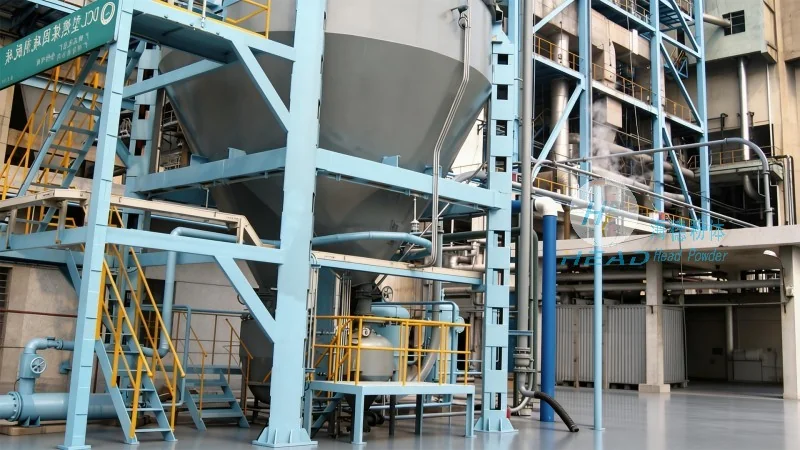
Company Overview: Shandong HeadPowder Engineering Co., Ltd.
HeadPowder, a leading engineering firm headquartered in Shandong, China, specializes in the design, manufacturing, and installation of high-quality material handling systems. With a strong commitment to innovation and customer satisfaction, the company has established itself as a trusted partner for industries seeking reliable solutions for dust and ash management. HeadPowder's expertise in pneumatic conveying and automation has enabled it to develop cutting-edge systems that meet the evolving needs of modern manufacturing.
Key Features of the Pneumatic Conveying System
The pneumatic conveying component of the system utilizes air pressure to transport dust and ash from collection points to processing or storage areas. This technology offers several advantages over traditional methods, including high conveying capacity, minimal maintenance requirements, and the ability to handle abrasive or corrosive materials. The system is equipped with advanced control panels that allow for real-time monitoring and adjustment of conveying parameters, ensuring optimal performance under varying operational conditions.
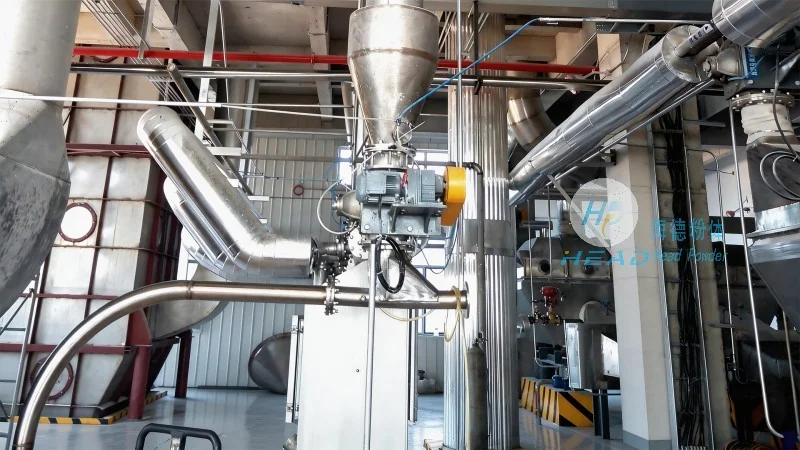
Automatic Feeding System Integration
Integrated with the pneumatic conveying system, the automatic feeding mechanism ensures precise and consistent material delivery to downstream processes. This feature is particularly critical in applications where uniform material composition is essential, such as in cement production, chemical processing, or power generation. The feeding system utilizes sensors and feedback loops to maintain a stable flow rate, preventing overfeeding or underfeeding that could impact product quality or equipment efficiency.
Benefits and Advantages for Industrial Applications
The combination of pneumatic conveying and automatic feeding provides numerous benefits for industrial operations. By automating the material handling process, companies can reduce labor costs and minimize human error, leading to improved operational efficiency. The system also enhances safety by eliminating the need for manual handling of dusty materials, thereby reducing the risk of respiratory illnesses and workplace accidents. Additionally, the automated feeding system ensures consistent material quality, which is crucial for maintaining product specifications and meeting regulatory standards.
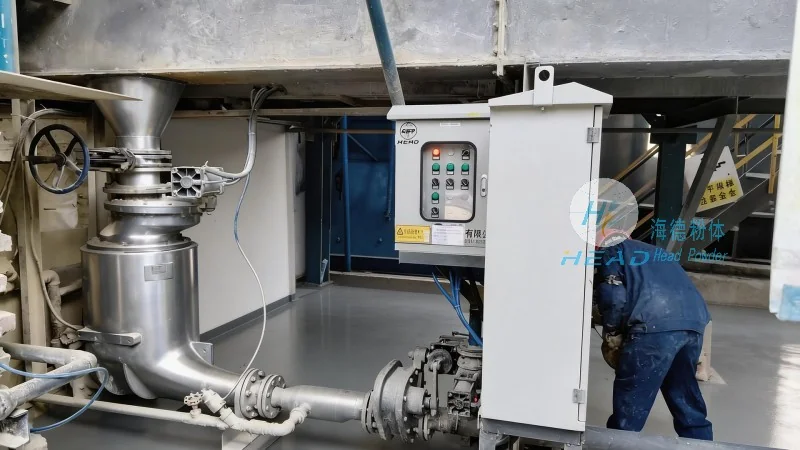
Technical Specifications and Customization Options
HeadPowder offers a range of technical specifications to accommodate diverse industrial requirements. The pneumatic conveying system can be configured with different air pressure levels, conveying distances, and material handling capacities, allowing for customization based on specific application needs. The automatic feeding system can be integrated with various types of hoppers, silos, and processing equipment, ensuring seamless compatibility with existing infrastructure. Additionally, the system supports remote monitoring and diagnostics, enabling proactive maintenance and minimizing downtime.
Application Scenarios and Industry Impact
The Dust Collection Ash Pneumatic Conveying and Automatic Feeding System is widely used in industries such as cement manufacturing, power generation, and chemical processing. In cement plants, the system efficiently handles raw materials and ash byproducts, contributing to higher production yields and reduced waste. In power plants, the system manages fly ash and bottom ash, facilitating the reuse of these materials in construction and other applications. The system's ability to handle large volumes of material at high speeds makes it an ideal solution for industries with high material throughput requirements.