

Classification and Composition of Polystyrene Pneumatic Conveying Systems
Polystyrene, a widely used thermoplastic, is often handled in bulk form for industrial applications. The efficient and reliable transport of polystyrene powder or granules from one location to another is crucial for maintaining production efficiency and product quality. Pneumatic conveying systems have emerged as a preferred method for this purpose, offering advantages such as dust-free operation, reduced material degradation, and the ability to transport materials over long distances. This article provides an overview of the classification and key components of polystyrene pneumatic conveying systems, highlighting the technology's importance in modern material handling.
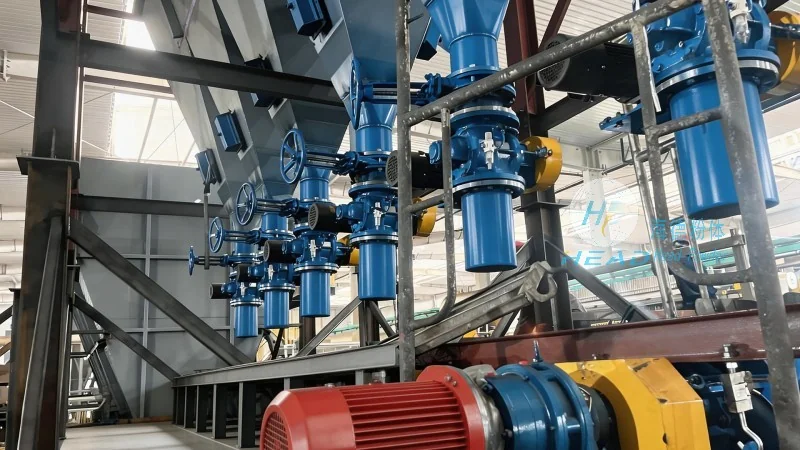
Classification of Polystyrene Pneumatic Conveying Systems
Pneumatic conveying systems are broadly classified based on the air velocity and material flow characteristics. The two main categories are dilute-phase and dense-phase systems. Dilute-phase systems operate at higher air velocities, typically 20-30 m/s, and are suitable for short to medium distances and low to medium material flow rates. These systems are commonly used for transporting fine powders like polystyrene. Dense-phase systems, on the other hand, operate at lower air velocities, around 5-10 m/s, and use higher pressure to move material in a more compact form. This method is ideal for handling abrasive or sensitive materials, ensuring minimal product degradation and better control over material discharge.
Key Components of a Polystyrene Pneumatic Conveying System
The effectiveness of a polystyrene pneumatic conveying system depends on its integrated components, each playing a critical role in the material transport process. The primary components include:
1. Feed Hopper and Material Feeder
The feed hopper is the initial component that stores the polystyrene material before it is conveyed. It is designed to maintain a consistent material level and prevent material bridging or caking, which can impede the feeding process. The material feeder, often a rotary valve or a screw feeder, regulates the flow of polystyrene from the hopper into the conveying line. For polystyrene, which can be prone to static electricity, the feeder is typically equipped with grounding and anti-static measures to ensure safe and efficient material discharge. The company, Shandong HeadPowder Engineering Co., Ltd., specializes in designing feed systems that minimize material degradation and ensure consistent flow rates, which is essential for maintaining product quality.
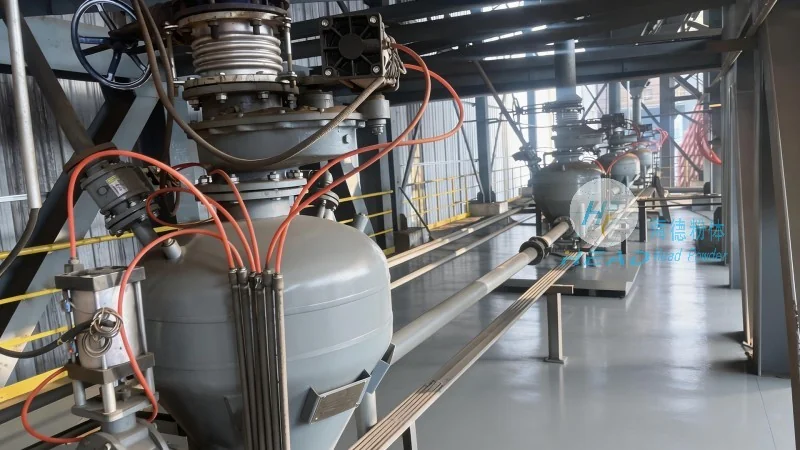
2. Conveying Pipeline
The conveying pipeline is the core of the system, responsible for transporting the polystyrene material along the desired path. The choice of pipeline material is critical, as it must resist corrosion and wear from the polystyrene particles. Stainless steel or high-density polyethylene (HDPE) are common materials for the pipeline, selected based on the specific characteristics of the polystyrene and the operating conditions. The pipeline is typically equipped with bends, elbows, and straight sections, with the angle and curvature designed to minimize pressure losses and prevent material buildup. The system may also include pressure relief valves and flow meters to monitor and control the air and material flow within the pipeline.
3. Air Supply and Compressor Unit
The air supply system provides the necessary pressure and volume of air to move the polystyrene material through the pipeline. The compressor unit, which can be a rotary screw or a centrifugal compressor, generates the required air pressure, typically ranging from 0.5 to 2 bar for dilute-phase systems and up to 6 bar for dense-phase systems. The compressor is often equipped with a filter and dryer to remove moisture and contaminants from the air, ensuring that the polystyrene material remains dry and free from moisture-related issues. The company, headpowder, offers customized compressor solutions that optimize energy efficiency and maintain consistent air quality, which is vital for the longevity of the conveying system and the quality of the polystyrene being transported.
4. Separation and Collection Equipment
At the end of the conveying line, the polystyrene material is separated from the air and collected in a receiving hopper or silo. The separation equipment, such as a cyclone separator or a bag filter, uses centrifugal force or filtration to separate the material from the air stream. The cyclone separator is particularly effective for polystyrene, as it can handle high volumes of material and maintain a high separation efficiency. The collected material is then transferred to the final storage or processing area. The company ensures that the separation equipment is designed to handle the specific characteristics of polystyrene, such as its low bulk density and potential for static buildup, to prevent material loss and ensure complete collection.
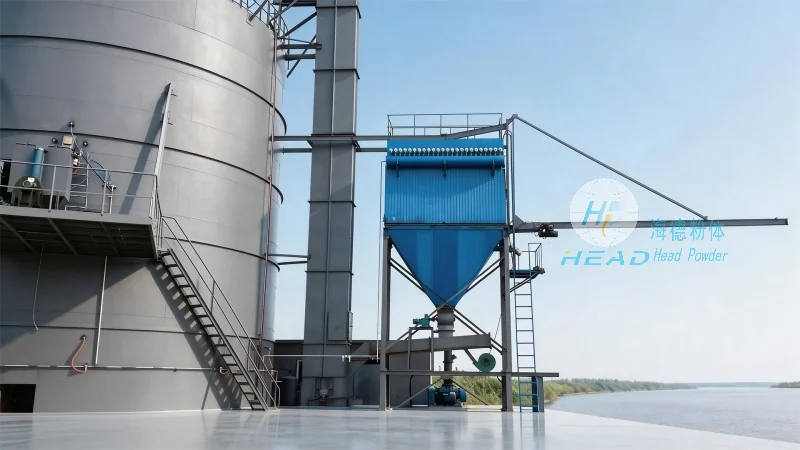
5. Control and Monitoring System
The control and monitoring system is responsible for managing the operation of the entire pneumatic conveying system. It includes sensors, controllers, and a user interface that allows operators to monitor key parameters such as pressure, flow rate, and material level. The system can be programmed to automatically adjust the feeder speed or compressor output based on the material demand, ensuring optimal performance and energy efficiency. For polystyrene applications, the control system may also include features to detect and prevent issues like material blockages or air leaks, which can impact system performance. The company, Shandong HeadPowder Engineering Co., Ltd., provides advanced control solutions that integrate seamlessly with the conveying system, enabling real-time monitoring and remote operation for enhanced operational efficiency.
Application Considerations for Polystyrene Pneumatic Conveying
The successful implementation of a polystyrene pneumatic conveying system requires careful consideration of several factors. The first is the material characteristics, including the particle size, density, and flowability of the polystyrene. These properties influence the choice of system type and component design. For example, fine polystyrene powders may require a dilute-phase system with a high air velocity to prevent clogging, while larger granules may benefit from a dense-phase system with lower air velocity. The second consideration is the distance and layout of the conveying line, as this affects the required air pressure and pipeline diameter. The third factor is the environmental and safety requirements, such as the need for dust-free operation and compliance with local regulations. The company, headpowder, offers comprehensive engineering services to address these considerations, ensuring that the designed system meets the specific needs of the client while optimizing performance and cost-effectiveness.
Conclusion
Pneumatic conveying systems are an essential technology for the efficient handling of polystyrene materials in various industrial applications. The classification of these systems into dilute-phase and dense-phase categories allows for the selection of the most appropriate method based on the specific requirements of the process. The key components, including the feed hopper, conveying pipeline, air supply unit, separation equipment, and control system, work together to ensure reliable and efficient material transport. By understanding the classification and composition of polystyrene pneumatic conveying systems, industries can improve their material handling processes, reduce operational costs, and enhance product quality. Shandong HeadPowder Engineering Co., Ltd., with its expertise in designing and manufacturing these systems, plays a vital role in supporting the needs of industries that rely on polystyrene processing and transportation.