

Classification and Composition of Positive Electrode Material Pneumatic Conveying Systems
Positive electrode material pneumatic conveying systems are critical in the battery manufacturing industry, ensuring efficient and safe material transport from production to processing stages. These systems are designed to handle the unique properties of positive electrode powders, which often include high conductivity, sensitivity to moisture, and varying particle sizes. The classification and composition of such systems are essential for optimizing performance, minimizing material loss, and maintaining product quality.
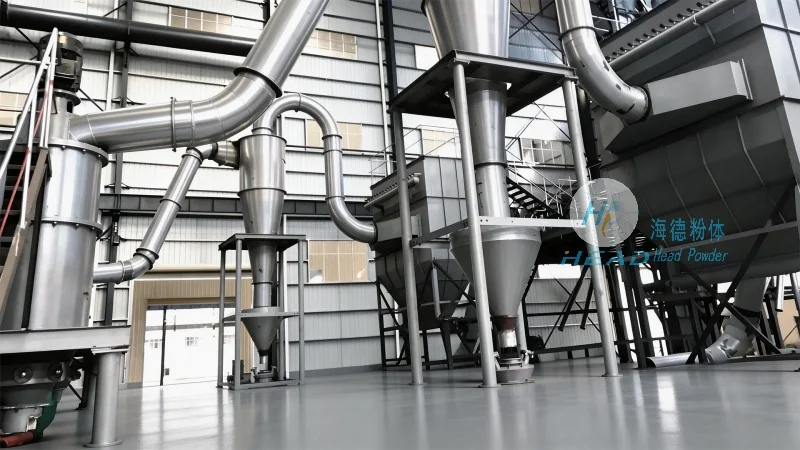
Classification of Pneumatic Conveying Systems
Pneumatic conveying systems for positive electrode materials can be broadly classified based on the pressure differential and the phase of the conveying medium. The primary categories include:
- Positive Pressure Systems: These systems operate by forcing air or gas into the conveying line, creating a pressure higher than the ambient environment. They are suitable for long-distance and high-capacity transport, as the pressure can be maintained along the entire pipeline. Positive pressure systems are often used for bulk material handling in battery factories.
- Negative Pressure (Vacuum) Systems: In contrast, negative pressure systems create a vacuum in the conveying line, drawing material from the source. This method is ideal for applications requiring gentle handling, such as transporting sensitive powders that are prone to agglomeration or degradation. Negative pressure systems are commonly employed in processes where material is collected from multiple points or requires precise control over flow rates.
- Two-Phase (Air-Liquid) Systems: This category combines air and liquid as the conveying medium. The liquid acts as a carrier, enhancing the transport of fine powders and reducing particle attrition. Two-phase systems are particularly effective for handling very fine or cohesive powders, which might otherwise clog or degrade in traditional pneumatic systems.
Each classification has its advantages and is selected based on factors like material characteristics, distance, and operational requirements. For instance, positive pressure systems are preferred for high-volume, long-distance transport of positive electrode powders, while negative pressure systems are chosen for applications requiring low-pressure, gentle handling to preserve material integrity.
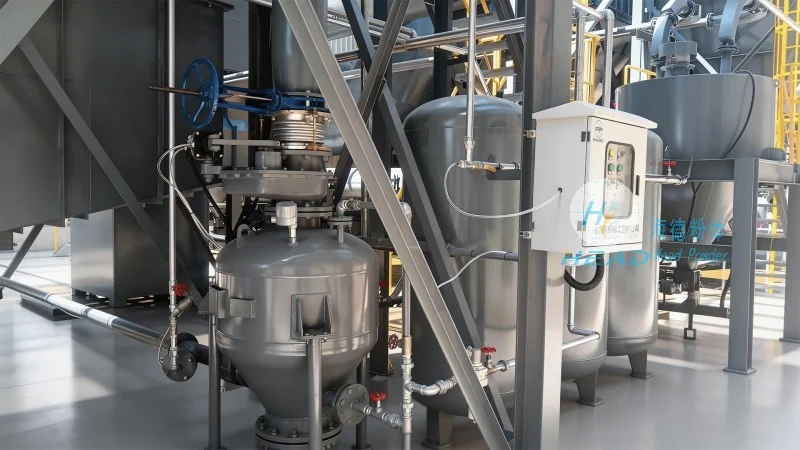
Key Components of Pneumatic Conveying Systems
The composition of a pneumatic conveying system for positive electrode materials includes several critical components that work in tandem to ensure efficient operation. These components are designed to handle the specific challenges of battery material handling, such as preventing material degradation, minimizing dust emissions, and maintaining consistent flow rates.
- Conveying Pipelines: The pipeline network is the backbone of the system, responsible for transporting the material from the source to the destination. Materials used for pipelines, such as stainless steel or corrosion-resistant alloys, are selected to prevent contamination and ensure durability. The design of the pipeline, including bends, elbows, and expansion joints, is optimized to minimize pressure drop and maintain material flow stability.
- Air Source and Control Equipment: This includes compressors, air dryers, and filters. The air source provides the necessary pressure or vacuum, while the control equipment regulates the flow and pressure to match the material handling requirements. For positive pressure systems, high-pressure compressors are used to generate sufficient force for long-distance transport. In negative pressure systems, vacuum pumps create the required suction. Air dryers and filters are essential to remove moisture and contaminants, as moisture can cause material clumping and degradation.
- Material Feeders and Hoppers: These components ensure a consistent and controlled feed of the positive electrode material into the conveying system. Hoppers are designed to store the material and provide a smooth flow into the feeder. Feeders, such as rotary valves or screw feeders, regulate the material discharge rate, preventing overloading or underloading of the system. Proper design of feeders is crucial to avoid material bridging or clogging, which can disrupt the conveying process.
- Separation and Collection Equipment: At the receiving end, separation equipment is used to separate the conveyed material from the air stream. This typically involves cyclones, filters, or baghouses. Cyclones use centrifugal force to separate particles from the gas, while filters capture fine particles to prevent dust emissions. The collected material is then transferred to the next processing stage, such as mixing or coating. The design of separation equipment is critical to ensure high efficiency and minimal material loss.
- Control and Monitoring Systems: Modern pneumatic conveying systems are equipped with advanced control and monitoring systems to optimize performance and ensure safety. These systems include sensors for pressure, flow rate, and temperature, as well as control panels for adjusting system parameters. Real-time monitoring allows operators to detect and address issues promptly, such as pressure drops or material blockages, preventing system downtime and material waste.
Each component plays a vital role in the overall functionality of the pneumatic conveying system. The integration of these components, tailored to the specific properties of positive electrode materials, ensures reliable and efficient material transport in battery manufacturing facilities.
Application and Benefits in Battery Manufacturing
Pneumatic conveying systems for positive electrode materials are widely used in the battery industry due to their ability to handle sensitive powders while maintaining high efficiency. The benefits of these systems include:
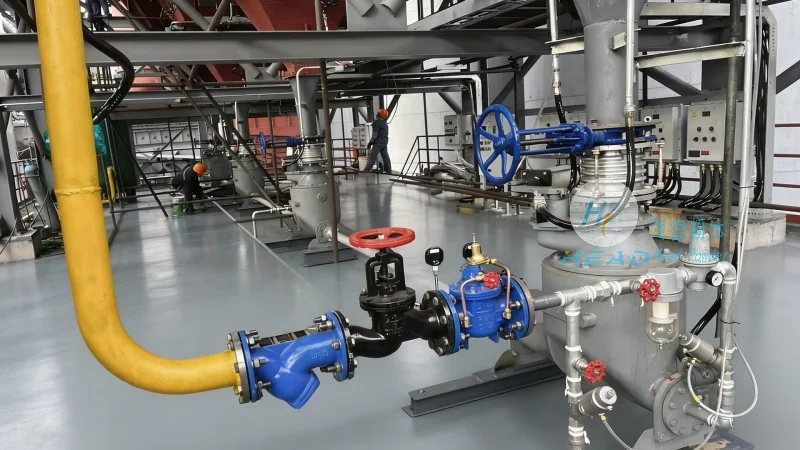
- Efficient Material Handling: Pneumatic systems allow for the rapid and continuous transport of large quantities of positive electrode material, reducing labor costs and increasing production throughput. The ability to handle bulk materials in a single operation streamlines the manufacturing process.
- Minimized Material Loss and Contamination: By using sealed pipelines and controlled feeding systems, pneumatic conveying minimizes material loss and exposure to contaminants, such as moisture or air. This is crucial for maintaining the quality and performance of the positive electrode material, which directly impacts the battery's energy density and lifespan.
- Improved Safety and Environmental Compliance: Pneumatic systems operate in a closed environment, reducing dust emissions and preventing the release of hazardous materials. This enhances workplace safety and helps manufacturers comply with environmental regulations. The sealed design also minimizes the risk of material exposure to operators, reducing health hazards associated with handling fine powders.
- Flexibility and Scalability: Pneumatic conveying systems can be easily scaled to accommodate changes in production volume or process requirements. The modular design allows for the addition or removal of components, such as pipelines or feeders, to adapt to evolving manufacturing needs. This flexibility is particularly valuable in the dynamic battery industry, where production capacities and material types may change frequently.
Overall, pneumatic conveying systems are a cornerstone of modern battery manufacturing, providing the necessary infrastructure to handle positive electrode materials efficiently and safely. The classification and composition of these systems are tailored to the specific challenges of battery production, ensuring optimal performance and product quality.
Company Profile: Shandong HeadPowder Engineering Co., Ltd.
Shandong HeadPowder Engineering Co., Ltd. is a leading manufacturer and supplier of pneumatic conveying systems for positive electrode materials. With a focus on innovation and quality, the company specializes in designing and manufacturing customized solutions that meet the unique requirements of battery manufacturers. HeadPowder's systems are engineered to handle the diverse properties of positive electrode powders, including high conductivity, moisture sensitivity, and varying particle sizes. The company's products are known for their reliability, efficiency, and compliance with industry standards. HeadPowder's commitment to customer satisfaction and technological advancement has made it a trusted partner in the battery manufacturing industry. The company is based in Shandong, China, and serves clients globally with its advanced pneumatic conveying solutions.