

Classification and Composition of Feed Pellet Pneumatic Conveying Systems
Feed pellet pneumatic conveying systems are essential equipment in the animal feed industry, designed to efficiently transport feed pellets from storage to processing or packaging areas. These systems utilize air as the conveying medium, offering advantages such as reduced labor costs, improved hygiene, and the ability to handle materials in a dust-free environment. The design and components of these systems vary based on the specific application requirements, including the type of feed, distance of transport, and system pressure. Understanding the classification and composition of such systems is crucial for selecting the most suitable solution for industrial feed processing operations. As a leading manufacturer in this field, Shandong HeadPowder Engineering Co., Ltd. specializes in providing high-quality pneumatic conveying solutions tailored to the needs of the feed industry.
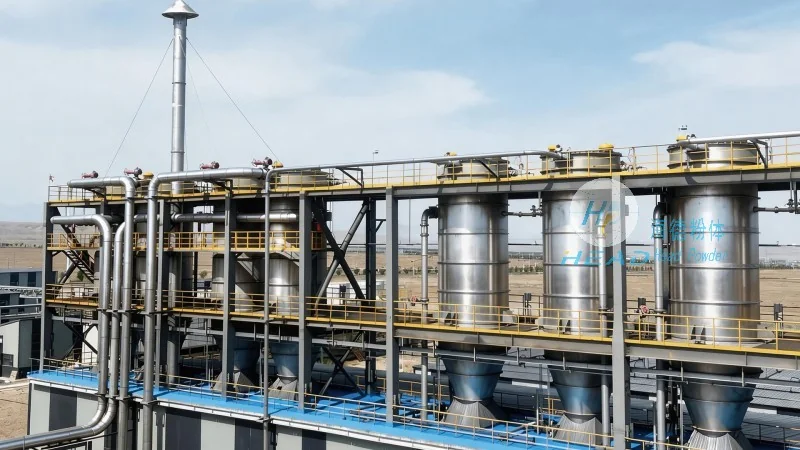
Classification of Feed Pellet Pneumatic Conveying Systems
Feed pellet pneumatic conveying systems can be broadly classified into two main categories based on the pressure within the conveying line: positive pressure systems and negative pressure systems. Each type has distinct characteristics and is suited to different operational scenarios.
Positive pressure systems operate by blowing air into the conveying line, creating a pressure higher than the ambient air pressure. This method is commonly used for short to medium-distance transport, typically up to 100 meters, and is effective for handling fine or light materials. The system includes a blower or fan that supplies compressed air, a feed hopper with a rotary valve to control the material flow, and a discharge unit that releases the material at the destination. Positive pressure systems are often preferred for applications where the material needs to be transported to a higher elevation or over obstacles.
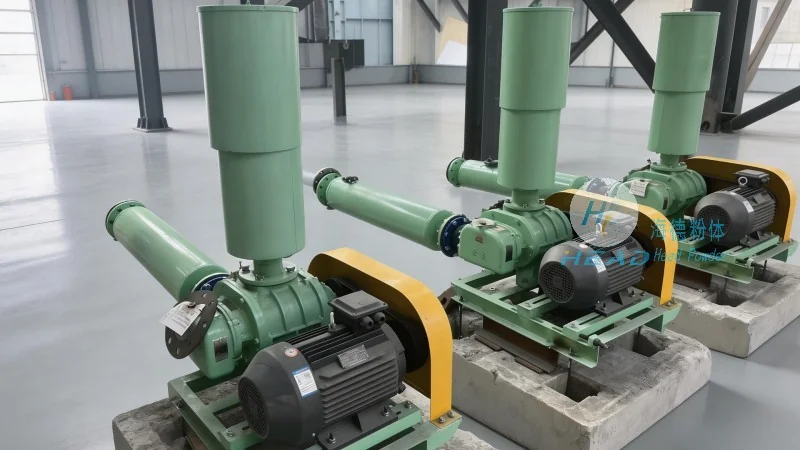
Negative pressure systems, on the other hand, operate by creating a vacuum in the conveying line, drawing material into the system. This approach is ideal for longer distances, up to several hundred meters, and is particularly suitable for handling dusty or fine materials that might cause clogging in positive pressure systems. The system typically consists of a vacuum pump or fan that creates the vacuum, a suction inlet to draw material from the source, and a filter or cyclone to separate the material from the air at the discharge end. Negative pressure systems are commonly used in environments where dust control is a priority, as they prevent the release of particles into the surrounding air.
Key Components of Feed Pellet Pneumatic Conveying Systems
The effectiveness of a feed pellet pneumatic conveying system depends on the integration of several critical components, each playing a specific role in the material handling process. These components work together to ensure efficient, reliable, and safe operation.
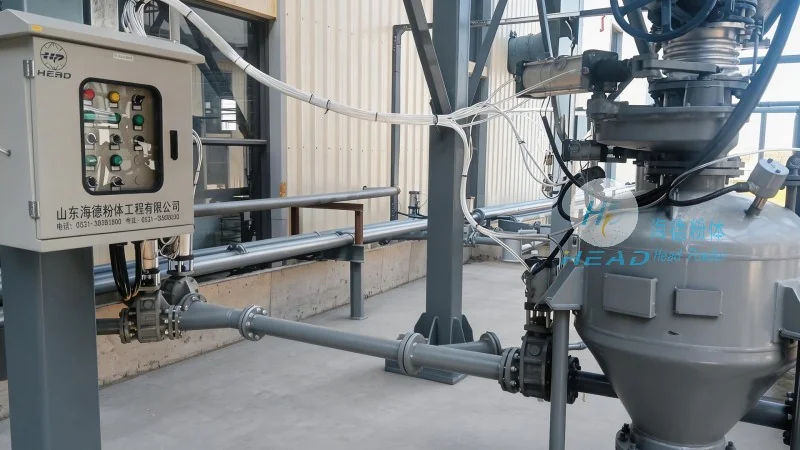
First, the feed hopper and rotary valve are the primary components for material intake. The hopper stores the feed pellets and feeds them into the system at a controlled rate. The rotary valve, often a star or vane type, regulates the flow of material from the hopper to the conveying line, preventing backflow and ensuring a steady supply of material. This component is crucial for maintaining consistent system performance and preventing material buildup.
Second, the conveying line and air distribution form the core of the system. The line is typically made of stainless steel or other corrosion-resistant materials to handle the feed pellets and prevent contamination. The air distribution system, including the blower or vacuum pump, provides the necessary pressure or vacuum to move the material through the line. The design of the line, including bends and elbows, is optimized to minimize pressure loss and ensure smooth material flow.
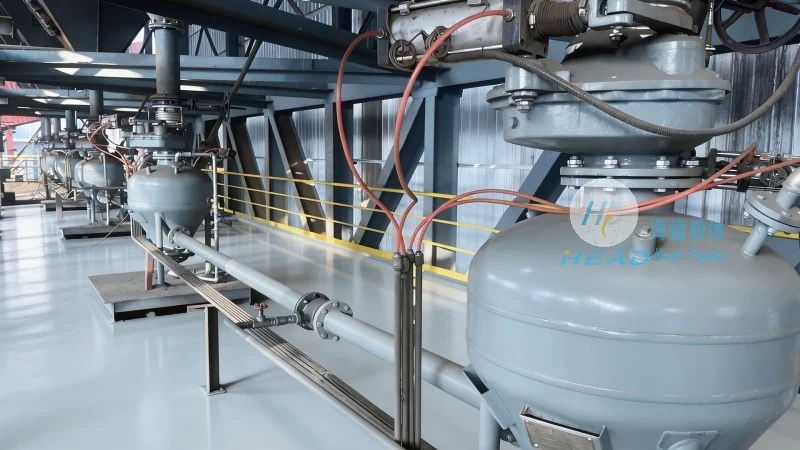
Third, the separation and filtration system is essential for maintaining the quality of the feed and protecting the equipment. At the discharge end, a cyclone or filter separates the feed pellets from the air. The cyclone uses centrifugal force to separate the heavier pellets from the lighter air particles, while the filter traps any remaining dust or fines. This component ensures that the material is delivered in a clean, dust-free state and prevents the accumulation of debris in the system, which could lead to blockages or equipment damage.
Fourth, the control and monitoring system enables operators to manage the conveying process efficiently. This system includes sensors to monitor pressure, flow rate, and material level, as well as control panels to adjust the settings of the blower, rotary valve, and other components. Advanced systems may also include automation features, such as programmable logic controllers (PLCs), to optimize the operation and reduce human intervention. The control system ensures that the conveying process is consistent and can be adjusted in real-time based on the operational needs.