

Classification and Composition of Coking Coal Particle Pneumatic Conveying Systems
HeadPowder, a leading engineering firm based in Shandong, China, specializes in the design and implementation of advanced pneumatic conveying systems for coking coal particles. This article provides a detailed overview of the classification and essential components that constitute such systems, offering insights into their operational principles and structural design.
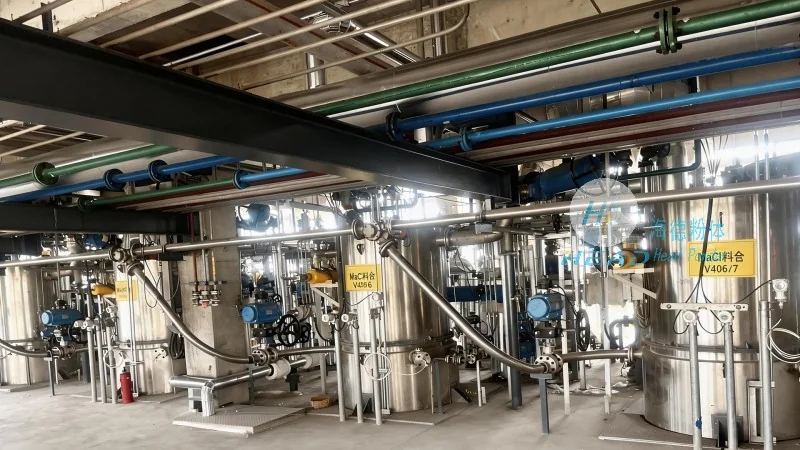
Classification of Coking Coal Particle Pneumatic Conveying Systems
The classification of coking coal particle pneumatic conveying systems is primarily based on the velocity of the conveying medium and the particle concentration within the pipeline. The three main categories are:
- Suspension Pneumatic Conveying (Low-Pressure, Low-Speed): This system operates at relatively low air velocities (typically 10-20 m/s) and low pressure (under 0.1 MPa). It is suitable for conveying fine coal particles over short to medium distances. The low velocity minimizes particle wear and system wear, making it ideal for delicate coal types.
- Dense-Phase Pneumatic Conveying (High-Pressure, High-Speed): Characterized by higher air velocities (30-50 m/s) and higher pressure (up to 0.5 MPa), this method ensures that coal particles are conveyed in a dense phase, reducing segregation and improving material handling efficiency. It is commonly used for bulk transport over longer distances, especially in industrial settings where reliability and material integrity are critical.
- Mix-Phase Pneumatic Conveying: A hybrid approach combining elements of both suspension and dense-phase systems, mix-phase conveying offers flexibility in handling a wide range of coal particle sizes and moisture content. It balances the efficiency of dense-phase transport with the lower energy consumption of suspension systems, making it suitable for varied industrial applications.
Key Components of a Coking Coal Particle Pneumatic Conveying System
The effective operation of a coking coal particle pneumatic conveying system relies on several critical components, each designed to perform specific functions in the material transport process. These components work in concert to ensure smooth, efficient, and safe operation.
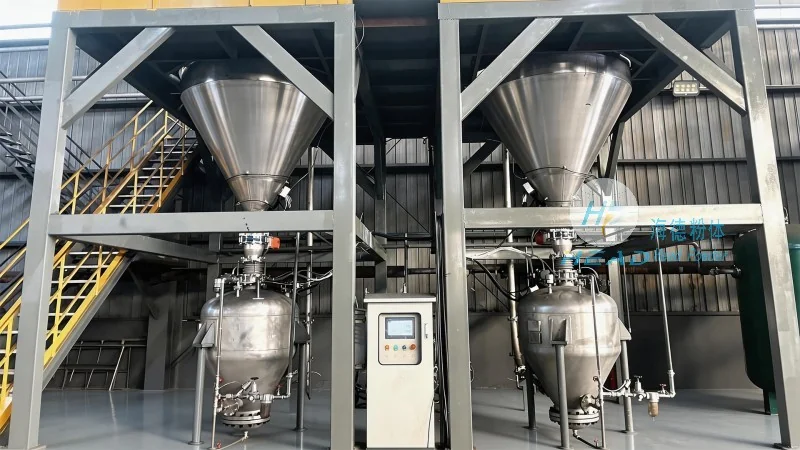
- Conveying Ducts and Pipelines: The primary structure of the system, conveying ducts are typically made of stainless steel or other corrosion-resistant materials to withstand the abrasive nature of coking coal particles. The design of the ducts, including bends, elbows, and straight sections, is optimized to minimize pressure drop and maintain consistent air flow. Proper sizing and material selection are crucial to prevent wear and ensure long-term durability.
- Air Supply and Blowers: The heart of the pneumatic conveying system, air supply units (such as centrifugal or positive displacement blowers) generate the necessary air pressure and volume to move the coal particles. The choice of blower type depends on the system classification and the required pressure and flow rates. High-efficiency blowers are essential to minimize energy consumption while maintaining optimal conveying performance.
- Feeding and Metering Equipment: This component is responsible for introducing the coking coal particles into the system at a controlled rate. Feeders, such as rotary valves or screw feeders, ensure a consistent flow of material, preventing blockages and maintaining system stability. Accurate metering is critical to avoid overloading the system and to achieve uniform particle distribution in the conveying stream.
- Separation and Collection Systems: At the receiving end of the system, separation equipment is used to separate the coal particles from the air stream. This typically involves cyclones, filters, or other separation devices that capture the coal while allowing the air to be recirculated or discharged. The design of these systems is tailored to the particle size and moisture content of the coal, ensuring high collection efficiency and minimal loss.
- Control and Monitoring Systems: Modern pneumatic conveying systems incorporate advanced control and monitoring technologies to optimize performance and ensure safety. These systems may include pressure sensors, flow meters, and automated control panels that monitor key parameters such as air pressure, flow rate, and particle concentration. Real-time data collection and feedback control allow for adjustments to be made promptly, enhancing system efficiency and reducing downtime.
Operational Considerations and Maintenance
For the reliable and long-term operation of coking coal particle pneumatic conveying systems, several operational considerations and maintenance practices are essential. Proper system design, regular inspection, and timely maintenance are key to ensuring optimal performance and extending the lifespan of the equipment.
First, the system must be designed to handle the specific characteristics of the coking coal, including particle size distribution, moisture content, and abrasiveness. These factors influence the choice of components and system configuration. For example, highly abrasive coal may require reinforced ducts and more robust feeding equipment to prevent premature wear.
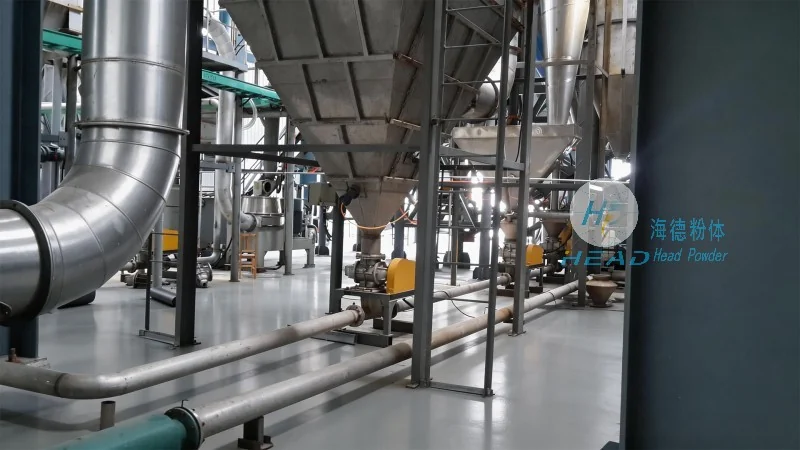
Regular maintenance is critical to prevent system failures and maintain efficiency. This includes routine checks of blower performance, cleaning of separation equipment, and inspection of ducts for signs of wear or blockage. Preventive maintenance schedules should be established based on the system's operating hours and the type of coal being conveyed.
Additionally, proper training of operators and maintenance personnel is essential to ensure that the system is operated and maintained according to best practices. This includes understanding the system's control parameters, recognizing warning signs of potential issues, and following safety protocols to prevent accidents.