

Classification and Application Analysis of Fracturing Sand Pneumatic Conveying Systems
Fracturing sand pneumatic conveying systems are critical components in the oil and gas industry, particularly for hydraulic fracturing operations. These systems are designed to transport proppant (fracturing sand) from storage to the well site efficiently and reliably. The technology has evolved significantly over the years, leading to various classification methods based on operational principles, material handling capabilities, and system configurations. This article provides an in-depth analysis of the classification of these systems and their practical applications in modern oilfield operations.

Key Players in the Industry: Shandong HeadPowder Engineering Co., Ltd.
At the forefront of pneumatic conveying technology is Shandong HeadPowder Engineering Co., Ltd., commonly known as HeadPowder. Based in Shandong, China, HeadPowder specializes in the design, manufacturing, and implementation of advanced pneumatic conveying solutions tailored for the fracturing sand industry. The company’s expertise lies in developing systems that ensure high efficiency, minimal downtime, and compliance with industry standards. HeadPowder’s commitment to innovation and quality has positioned it as a leading provider of pneumatic conveying equipment for hydraulic fracturing applications.
Classification of Fracturing Sand Pneumatic Conveying Systems
Fracturing sand pneumatic conveying systems can be classified based on several key factors, including the method of air delivery, the type of conveying line, and the pressure levels involved. The primary classifications include:
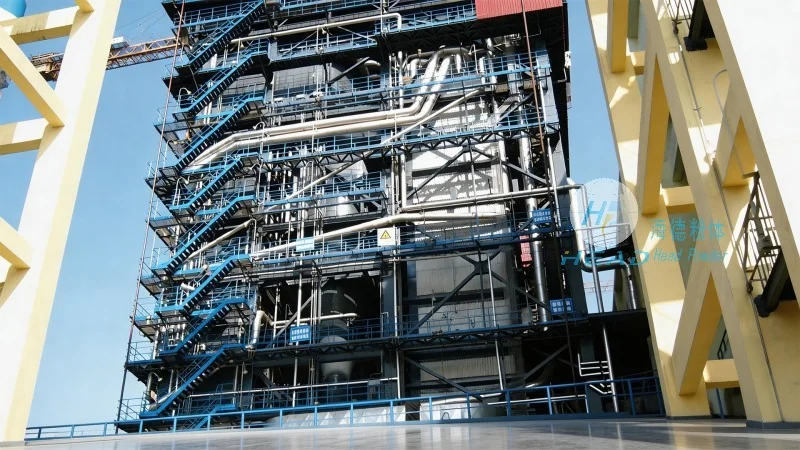
- Positive Displacement Pneumatic Conveying: This system uses a positive displacement pump to move air and material through a closed pipeline. It is ideal for handling abrasive materials like fracturing sand, as it provides consistent flow rates and pressure control. Positive displacement systems are often used in high-pressure applications where precise material delivery is crucial.
- Pressure-Driven Pneumatic Conveying: Also known as dilute phase conveying, this method uses a blower or compressor to create a high-velocity air stream that transports the sand particles. The system operates at lower pressures compared to positive displacement systems, making it suitable for longer distances and larger volumes. Pressure-driven systems are commonly used in mid-range applications where cost-effectiveness and flexibility are important.
- Vacuum Pneumatic Conveying: This classification involves using a vacuum pump to draw material from a source and transport it through a pipeline. Vacuum systems are typically used for shorter distances and for handling materials that are sensitive to pressure changes. They are particularly useful for transferring sand from storage bins to processing units without the need for high-pressure equipment.
Each classification has its advantages and is selected based on specific operational requirements, such as the distance between the sand storage and the well site, the volume of material to be transported, and the desired system efficiency. Understanding these classifications helps in selecting the most appropriate system for a given hydraulic fracturing project.
Application Analysis of Fracturing Sand Pneumatic Conveying Systems
The application of pneumatic conveying systems in hydraulic fracturing is widespread and essential for maintaining operational efficiency. These systems are used to transport proppant from bulk storage facilities to the fracturing site, ensuring that the sand is delivered in the correct quantity and at the right time. The efficiency of the system directly impacts the overall productivity of the well, as delays in sand delivery can lead to reduced fracture conductivity and lower oil or gas recovery rates.
HeadPowder’s pneumatic conveying systems are designed to meet the demanding requirements of modern oilfield operations. The company’s solutions are engineered to handle high volumes of fracturing sand, with minimal wear and tear on components. This ensures long-term reliability and reduces maintenance costs for oilfield operators. The systems are also equipped with advanced control systems that allow for real-time monitoring and adjustment, optimizing the conveying process and minimizing material loss.
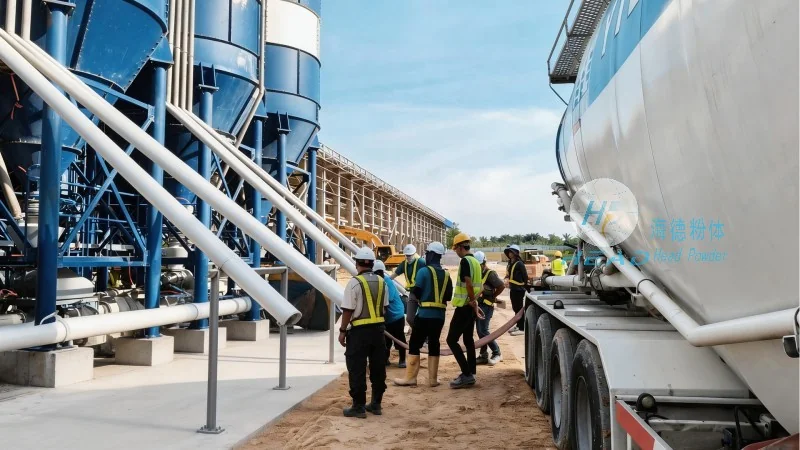
In addition to their primary role in transporting sand, these systems can be integrated with other equipment, such as sand separators and dryers, to form a comprehensive proppant handling system. This integration enhances the overall efficiency of the operation and ensures that the sand is in optimal condition for fracturing. The use of advanced materials and engineering in the construction of these systems further improves their durability and performance in harsh oilfield environments.
Conclusion
Fracturing sand pneumatic conveying systems are a vital technology in the oil and gas industry, enabling efficient and reliable transport of proppant for hydraulic fracturing. The classification of these systems, based on operational principles and material handling capabilities, allows for the selection of the most suitable system for specific applications. Companies like Shandong HeadPowder Engineering Co., Ltd. play a crucial role in developing and implementing these advanced systems, contributing to the productivity and success of oilfield operations worldwide.