

Working Principle and Features of Desulfurization Fly Ash Powder Pneumatic Conveying Equipment
Desulfurization fly ash, also known as FGD (Flue Gas Desulfurization) fly ash, is a byproduct generated during the process of removing sulfur dioxide from flue gas in thermal power plants and other industrial facilities. This fine powder, rich in calcium and other minerals, poses challenges for safe and efficient handling due to its high moisture content and potential for dust explosion. To address these challenges, specialized equipment like the desulfurization fly ash powder pneumatic conveying system has been developed. This article explores the working principle and key features of such equipment, providing insights into its role in modern industrial waste management.
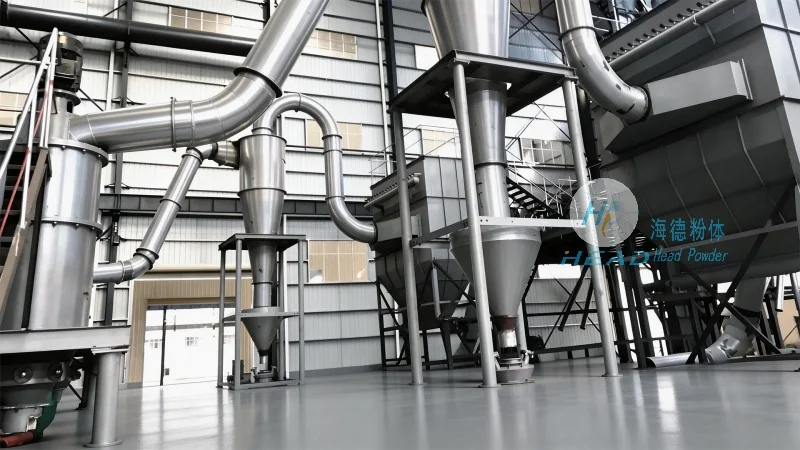
Understanding the Working Principle of Desulfurization Fly Ash Powder Pneumatic Conveying Equipment
The core of a desulfurization fly ash powder pneumatic conveying system lies in its ability to transport fine powders through a pressurized or vacuum pipeline using air or other gases. The system typically consists of several key components, including a material feeder, a blower or vacuum pump, a pipeline network, and a discharge unit. The working principle can be broken down into the following steps:
First, the desulfurization fly ash is fed into the system through a material feeder, which may be a rotary valve or a screw feeder, ensuring a consistent and controlled flow of the powder. Next, the blower or vacuum pump generates the necessary air pressure or vacuum to move the material through the pipeline. In a positive pressure system, the blower pushes air into the pipeline, carrying the fly ash particles along with it. Conversely, a negative pressure system uses a vacuum pump to draw the material into the pipeline. The pipeline network, often made of stainless steel or other corrosion-resistant materials, is designed to withstand the abrasive nature of the fly ash and the pressure differentials involved. Finally, the material is discharged at the destination point, where it can be collected and utilized for various applications, such as cement production or soil amendment.
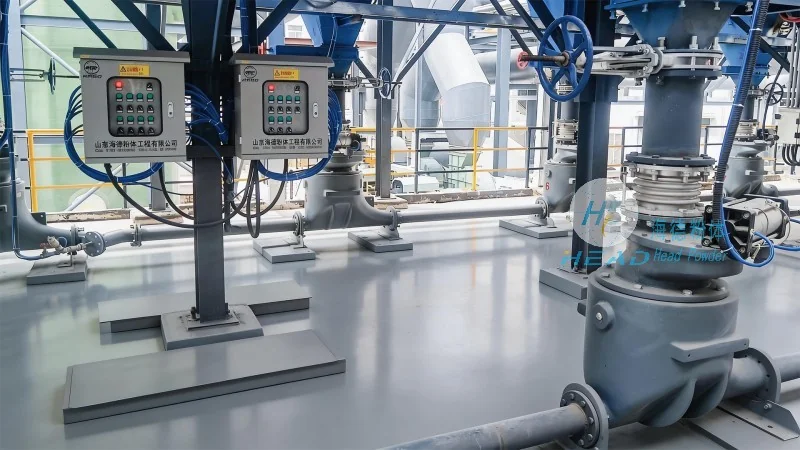
Key Features and Advantages of Desulfurization Fly Ash Powder Pneumatic Conveying Equipment
The desulfurization fly ash powder pneumatic conveying equipment offers several advantages that make it an ideal solution for handling this challenging material. Firstly, it provides a dust-free and enclosed transport process, significantly reducing the risk of dust exposure and environmental contamination. This is crucial for maintaining workplace safety and complying with environmental regulations. Secondly, the system is highly efficient in terms of energy consumption and material handling speed. By using air as the conveying medium, the equipment can transport large volumes of fly ash over long distances with minimal energy input compared to traditional methods like trucks or conveyor belts. Thirdly, the equipment is flexible and adaptable, allowing for changes in material flow rates and pipeline configurations as needed. This adaptability is particularly valuable in industrial settings where production processes may vary. Additionally, the system is designed for durability and low maintenance, with components such as blower motors and pipeline fittings built to withstand the abrasive and corrosive properties of the fly ash. This reduces downtime and operational costs for the end-user.
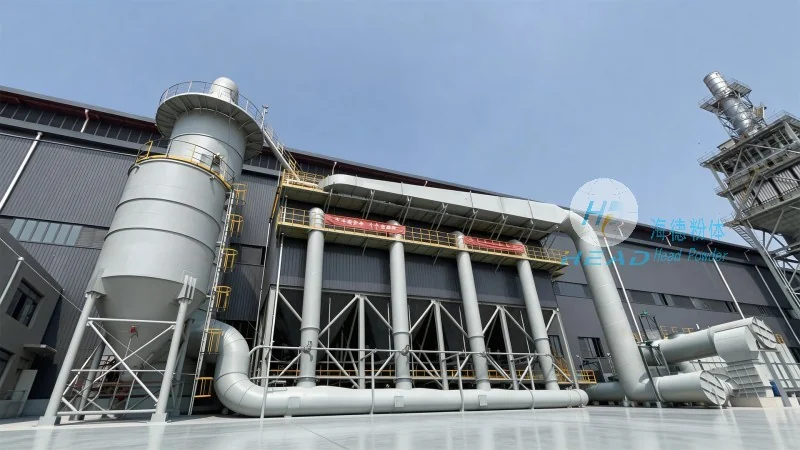
Applications and Benefits in Industrial Waste Management
The desulfurization fly ash powder pneumatic conveying equipment plays a vital role in the sustainable management of industrial byproducts. By efficiently transporting fly ash from the desulfurization unit to storage or processing facilities, the system helps to reduce the environmental impact of this waste material. The fly ash, once properly handled, can be utilized as a valuable resource in construction materials, such as cement and concrete, reducing the need for virgin raw materials and contributing to a circular economy. Furthermore, the enclosed and controlled transport process minimizes the risk of fly ash particles entering the environment, preventing soil and water contamination. This aligns with global efforts to promote cleaner industrial practices and reduce the carbon footprint of power generation and other industrial sectors.
About HeadPowder: Your Trusted Partner in Pneumatic Conveying Solutions
HeadPowder, a division of Shandong HeadPowder Engineering Co., Ltd., is a leading manufacturer and supplier of advanced pneumatic conveying equipment tailored for industrial applications. With a focus on innovation and customer satisfaction, HeadPowder has developed state-of-the-art solutions for handling challenging materials like desulfurization fly ash. The company's expertise lies in designing customized systems that meet the specific needs of clients, ensuring optimal performance and reliability. HeadPowder's facilities are located in Shandong, China, where the company leverages local manufacturing capabilities and industry knowledge to deliver high-quality products. By choosing HeadPowder, industrial facilities can benefit from efficient, safe, and environmentally friendly solutions for their fly ash handling needs, contributing to both operational efficiency and environmental sustainability.