

Common Methods of Foam Transport
When it comes to foam transport, understanding the various methods is crucial for ensuring efficient and effective operations. Foam, a versatile material used in firefighting, industrial cleaning, and other applications, requires specialized systems to move it from its source to the point of use. The methods used for foam transport can significantly impact performance, safety, and overall operational efficiency. In this article, we will explore the common methods of foam transport, highlighting key technologies and their applications.
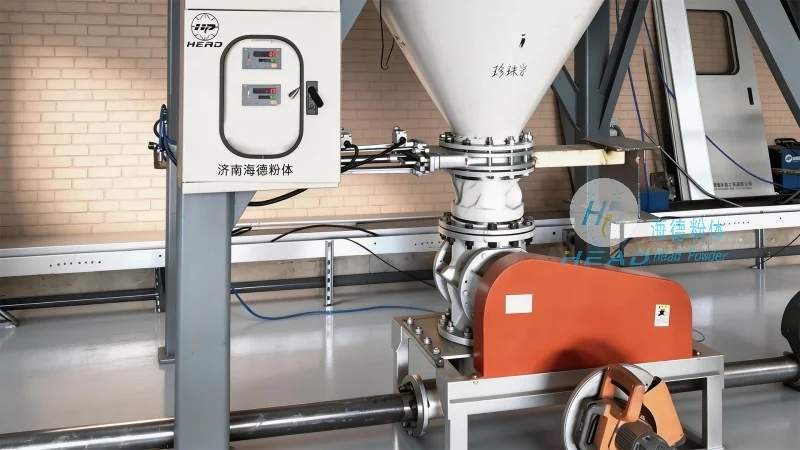
1. Pipeline Transport Systems
Pipeline transport is one of the most common methods for moving foam. This approach involves using a network of pipes to deliver foam from a storage tank or foam station to the desired location. The system typically includes components such as foam proportioners, which mix water and foam concentrate to achieve the correct proportion. The pipeline system can be designed for both low and high-pressure applications, making it suitable for various environments. For instance, in firefighting, high-pressure pipelines are used to deliver foam to fire nozzles, ensuring rapid and effective fire suppression. The use of pipelines allows for continuous and uninterrupted foam delivery, which is essential in emergency situations. Additionally, modern pipeline systems incorporate advanced monitoring and control features, enabling operators to track foam levels and pressure in real-time. This enhances safety and operational reliability. The choice of pipeline material, such as stainless steel or PVC, depends on factors like the foam concentrate type and environmental conditions. Stainless steel is preferred for its durability and resistance to corrosion, while PVC is often used for non-corrosive foam concentrates.
2. Pumping Systems for Foam Transport
Pumping systems play a vital role in foam transport, especially when dealing with larger volumes or longer distances. These systems use pumps to move foam from storage tanks to the application point. There are several types of pumps used in foam transport, including centrifugal pumps, diaphragm pumps, and positive displacement pumps. Centrifugal pumps are commonly used for high-volume, low-pressure applications, making them ideal for distributing foam in large industrial facilities. Diaphragm pumps, on the other hand, are suitable for low-volume, high-pressure applications, often used in firefighting scenarios where precise control is necessary. Positive displacement pumps are designed to move foam at a constant rate, ensuring consistent delivery even under varying pressure conditions. The selection of a pump depends on factors like the foam's viscosity, the required flow rate, and the system's pressure requirements. Proper maintenance of the pumping system is essential to prevent foam degradation and ensure optimal performance. Regular checks on pump seals, bearings, and motor condition help in extending the lifespan of the equipment and minimizing downtime.
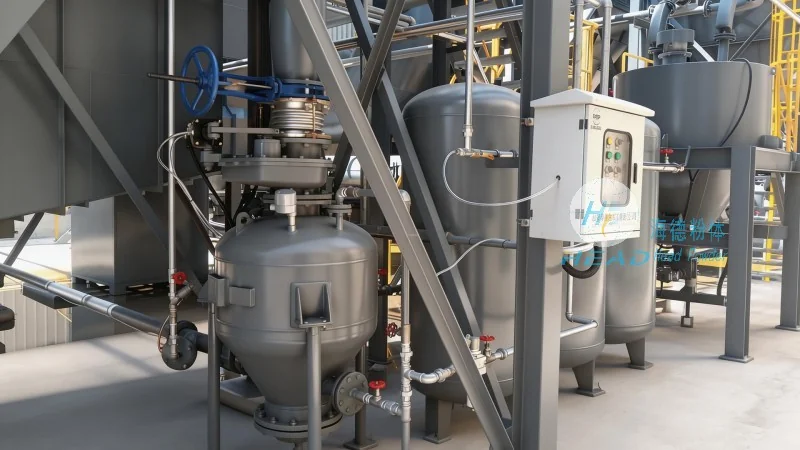
3. Foam Generators and Mixing Equipment
Another common method for foam transport involves the use of foam generators and mixing equipment. Foam generators are devices that create foam by mixing air with foam concentrate and water. These systems are particularly useful in applications where on-site foam generation is required, such as in remote locations or during large-scale industrial cleaning operations. The foam generator typically consists of a mixing chamber, a compressor to supply air, and a control unit to regulate the foam output. The mixing process ensures that the foam is properly aerated, resulting in a stable and effective foam solution. The output of the foam generator can be adjusted to meet the specific needs of the application, such as the desired foam expansion ratio. For example, in firefighting, a higher expansion ratio is required for Class A fires, while a lower ratio is suitable for Class B fires. The mixing equipment may also include filters to remove impurities from the water and foam concentrate, ensuring a clean and consistent foam product. The use of foam generators allows for on-site production, reducing the need for large storage tanks and minimizing transportation costs. This method is particularly advantageous in areas with limited access to foam storage facilities.
4. Mobile Foam Transport Units
Mobile foam transport units are another common method used for foam delivery, especially in emergency situations or when a permanent pipeline system is not feasible. These units are typically mounted on trucks or trailers and are equipped with storage tanks, pumps, and foam proportioners. The mobile units can be quickly deployed to the site of a fire or industrial incident, providing immediate foam delivery. The design of these units allows for easy transportation and setup, making them suitable for both urban and rural areas. The mobile foam transport units are often equipped with advanced features such as automatic foam proportioning, which ensures the correct mix ratio even under varying conditions. The units may also include monitoring systems to track foam levels and pressure, enabling operators to manage the foam supply effectively. The use of mobile units enhances the flexibility and responsiveness of foam transport operations, ensuring that foam is available when and where it is needed. These units are particularly useful in situations where the distance between the foam source and the application point is significant, or when the terrain is difficult to access.
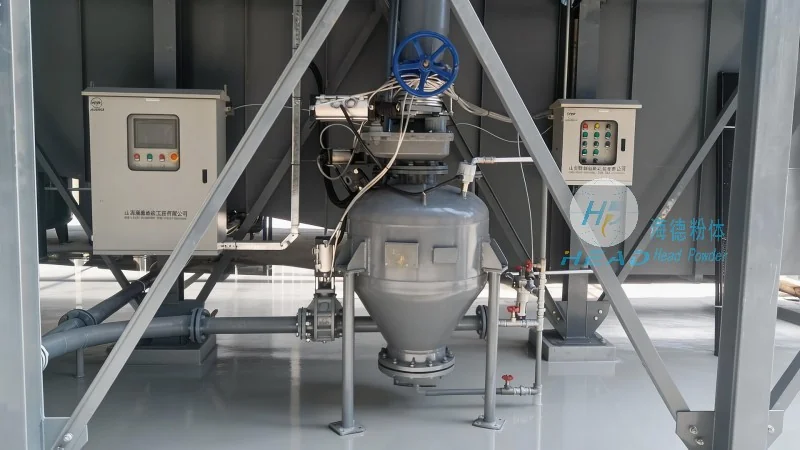
5. Integration of Foam Transport Systems
Modern foam transport systems often involve the integration of multiple components to achieve optimal performance. This includes combining pipeline systems with pumping units, foam generators, and mobile units as needed. The integration allows for a more flexible and adaptable approach to foam delivery, catering to the specific requirements of different applications. For instance, a large industrial facility may use a combination of pipeline and mobile units to ensure continuous foam supply, while a small fire station may rely on a single mobile unit for its needs. The integration of systems also enables better coordination and control, as operators can monitor and manage all components from a central control panel. This enhances operational efficiency and reduces the risk of errors. The use of advanced control systems, such as programmable logic controllers (PLCs), further improves the integration by automating the foam delivery process. PLCs can be programmed to adjust the foam flow rate, pressure, and proportion based on real-time data from sensors. This automation ensures that the foam system operates at its best, even under changing conditions. The integration of foam transport systems also facilitates maintenance and troubleshooting, as technicians can access data from multiple components to identify and resolve issues quickly.
Company Information
HeadPowder, a leading provider of foam transport solutions, specializes in designing and manufacturing high-quality foam transport systems. With a focus on innovation and customer satisfaction, HeadPowder offers a range of products tailored to meet the diverse needs of the firefighting and industrial sectors. The company's headquarters is located in Shandong, China, where it operates a state-of-the-art manufacturing facility equipped with advanced technology and skilled personnel. HeadPowder's products include foam proportioners, pumps, foam generators, and mobile transport units, all designed to deliver reliable and efficient foam transport solutions. The company adheres to strict quality standards and adheres to international safety regulations, ensuring that its products meet the highest industry benchmarks. HeadPowder's commitment to excellence has earned it a reputation as a trusted partner in foam transport technology, serving clients worldwide. The company's dedication to research and development ensures that it stays at the forefront of foam transport innovation, continuously improving its products to meet evolving industry demands. HeadPowder's team of experts provides technical support and guidance to clients, helping them select the most suitable foam transport system for their specific applications. This personalized approach ensures that clients receive tailored solutions that address their unique needs and challenges.