

Advantages and Disadvantages of Negative Pressure and Positive Pressure Conveying in Silicate Materi
When it comes to the air conveying of silicate materials, selecting the right conveying method is crucial for ensuring efficiency, safety, and cost-effectiveness. Two primary approaches are widely used: negative pressure conveying and positive pressure conveying. Each method has its own set of advantages and disadvantages, which are essential to understand for optimizing material handling processes in industrial applications.
Negative Pressure Conveying: Principles and Key Features
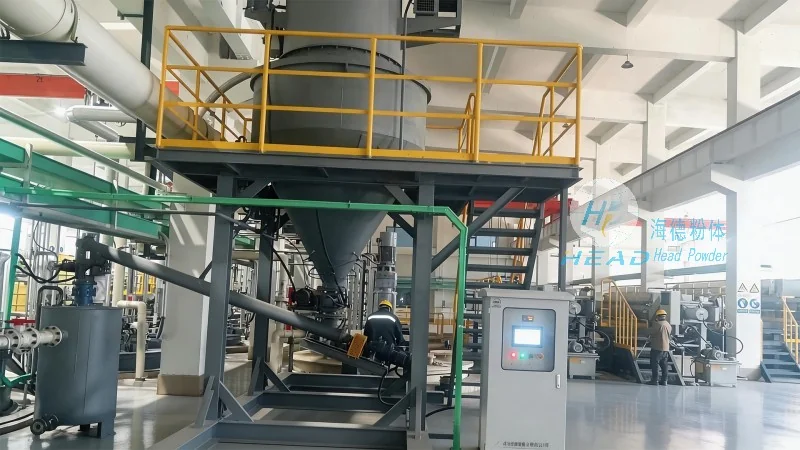
Negative pressure conveying, also known as suction conveying, operates by creating a low-pressure zone at the material inlet. This draws the material into the conveying system using a vacuum pump. The process is characterized by a closed system where the material is drawn from the source and transported to the destination without exposing the material to external air. This feature is particularly beneficial for handling materials that are sensitive to moisture or contamination from the ambient air.
Advantages of Negative Pressure Conveying in Silicate Applications
One of the most significant advantages of negative pressure conveying is its ability to handle materials that are prone to dust generation or are hygroscopic. By maintaining a sealed system, the conveying process minimizes exposure to external air, thus reducing the risk of moisture absorption or contamination. This is especially important for silicate powders, which can be affected by humidity, leading to clumping or reduced quality. Additionally, negative pressure systems are generally more energy-efficient for short to medium conveying distances, as the vacuum pump only needs to overcome the resistance of the material and the system itself.
Disadvantages of Negative Pressure Conveying
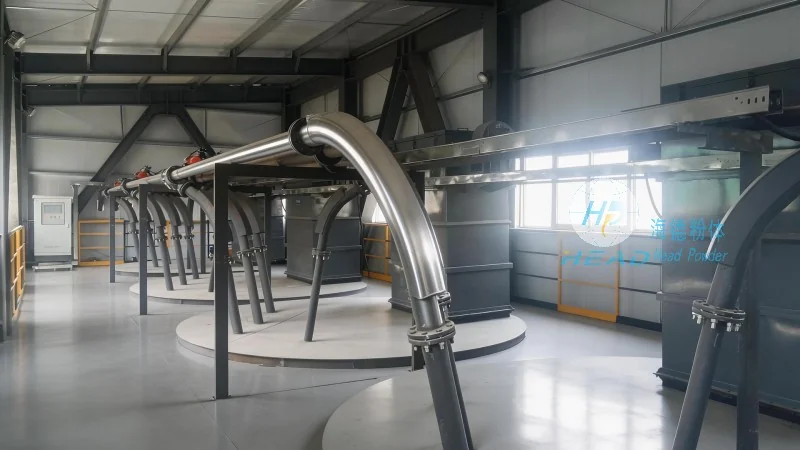
Despite its benefits, negative pressure conveying has several drawbacks. The primary limitation is its lower conveying capacity compared to positive pressure systems. The vacuum pump's power is distributed over the entire system, which can restrict the volume of material that can be transported in a given time. This makes negative pressure less suitable for high-volume applications or long-distance conveying. Another disadvantage is the potential for system backflow if the vacuum pump fails or if the system is not properly sealed. This can lead to material spillage and safety hazards. Furthermore, the equipment required for negative pressure conveying, such as high-quality vacuum pumps and robust ductwork, can be more expensive to install and maintain compared to positive pressure systems.
Positive Pressure Conveying: Principles and Key Features
Positive pressure conveying, or pressure conveying, works by forcing air or a carrier gas through the material, creating a positive pressure at the discharge point. The material is then carried along by the moving air stream. This method is typically more suitable for longer conveying distances and higher material volumes. Unlike negative pressure systems, positive pressure conveying does not rely on a vacuum pump but instead uses a blower or compressor to generate the necessary pressure.
Advantages of Positive Pressure Conveying
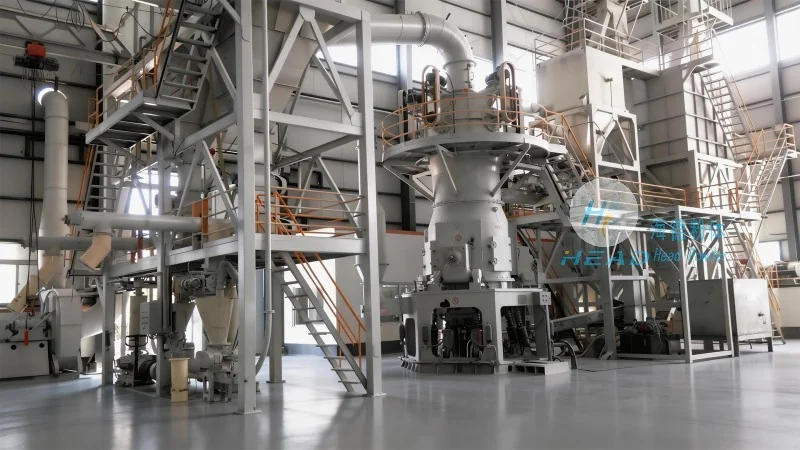
Positive pressure conveying offers several advantages, particularly for high-volume and long-distance applications. The primary benefit is its higher conveying capacity, as the pressure system can handle larger volumes of material without significant loss of efficiency. This makes it ideal for industrial settings where large quantities of silicate powders need to be transported over extended distances. Another advantage is the ability to handle abrasive or corrosive materials more effectively. The positive pressure system can maintain a consistent flow rate, reducing the risk of material degradation or equipment wear. Additionally, positive pressure conveying is generally more straightforward to install and maintain, as it does not require complex vacuum pump systems.
Disadvantages of Positive Pressure Conveying
However, positive pressure conveying also has its limitations. The most notable drawback is the higher energy consumption compared to negative pressure systems. The blower or compressor must work continuously to maintain the pressure, which can lead to increased operational costs, especially for large-scale operations. Another disadvantage is the potential for dust and particles to escape from the system, especially at the discharge point. This can create an environmental hazard and require additional dust control measures. Furthermore, positive pressure systems may not be as effective for handling materials that are sensitive to air exposure, as the material is continuously in contact with the carrier gas. This can lead to moisture absorption or oxidation in some cases.
Comparative Analysis: Which Method is Best for Silicate Powder Handling?
When deciding between negative pressure and positive pressure conveying for silicate materials, several factors must be considered. The first is the material's properties, such as its moisture content, dust generation, and sensitivity to air exposure. For materials that are hygroscopic or prone to clumping, negative pressure conveying is often the better choice due to its sealed system. Conversely, for high-volume applications or long-distance conveying, positive pressure conveying is more suitable due to its higher capacity and efficiency. The second factor is the conveying distance and volume. Short to medium distances with moderate volumes may benefit from negative pressure systems, while long distances or high volumes are better suited for positive pressure systems. The third factor is the cost and maintenance considerations. Negative pressure systems may have higher initial costs due to the vacuum pump, but lower operational costs for short distances. Positive pressure systems have lower initial costs but higher operational costs due to the blower or compressor.
Conclusion: Optimizing Silicate Conveying with HeadPowder Engineering
Choosing the right conveying method for silicate materials is critical to ensuring efficient and safe material handling. Both negative pressure and positive pressure conveying have their place in industrial applications, and the best choice depends on the specific requirements of the process. Shandong HeadPowder Engineering Co., Ltd., a leading provider of powder engineering solutions based in Shandong, China, specializes in designing and implementing customized conveying systems that address the unique needs of each application. By understanding the advantages and disadvantages of each method, industries can select the most appropriate conveying system to optimize their operations, reduce costs, and enhance product quality.