

Advantages and Disadvantages of Negative Pressure and Positive Pressure Conveying for Fracking Sand
Fracking sand, a critical component in hydraulic fracturing operations, requires efficient and reliable transportation from storage to the well site. The choice between negative pressure and positive pressure conveying systems significantly impacts operational efficiency, cost, and environmental safety. This article provides a comprehensive comparison of the advantages and disadvantages of negative pressure and positive pressure conveying methods for fracking sand, with a focus on practical applications and industry best practices.
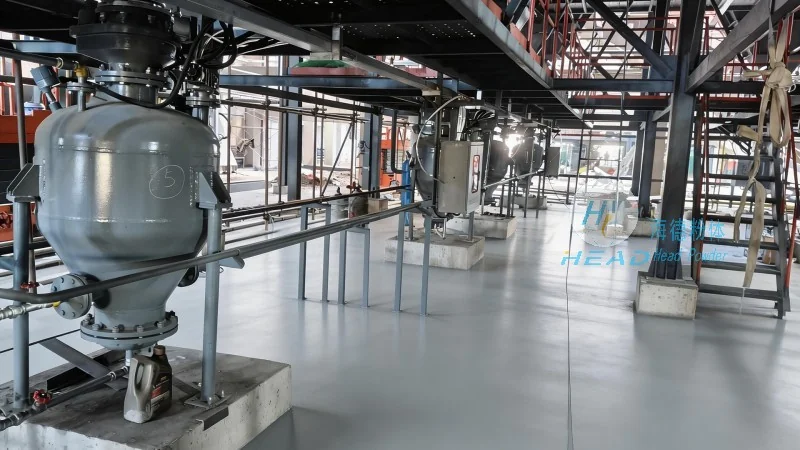
Negative Pressure Conveying: Advantages and Disadvantages
Negative pressure conveying, also known as suction conveying, operates by creating a vacuum in the conveying line to draw material from the source. This method is often preferred for its ability to handle fine powders and granular materials like fracking sand with minimal dust generation. One of the key advantages is the reduced risk of material spillage and contamination, as the system draws material into the line rather than pushing it. This makes it particularly suitable for applications where material cleanliness is paramount, such as in sensitive industrial environments or when transporting materials that are prone to dust exposure.
Another advantage of negative pressure systems is their lower energy consumption compared to positive pressure systems. By utilizing the natural flow of material under vacuum, these systems can operate with less power, leading to cost savings on electricity and reduced operational expenses. Additionally, negative pressure conveying is generally more compact and easier to install, as it does not require high-pressure pumps or robust compression equipment. This makes it a viable option for sites with limited space or where retrofitting existing infrastructure is necessary.
However, negative pressure conveying also has notable disadvantages. The primary challenge is the limited conveying distance and capacity. The vacuum pressure drop over long distances can cause a significant reduction in material flow rate, making it unsuitable for long-distance or high-volume applications. This limitation is often addressed by using multiple vacuum stages or larger diameter lines, which can increase system complexity and cost. Furthermore, negative pressure systems are more susceptible to clogging and blockages, especially with abrasive materials like fracking sand. The vacuum can draw in foreign objects or cause particles to adhere to the line walls, leading to operational disruptions and maintenance issues. Maintenance of these systems also requires careful attention to seals and vacuum pumps, as any leaks can compromise the system's performance and efficiency.
Positive Pressure Conveying: Advantages and Disadvantages
Positive pressure conveying, or pressure conveying, operates by using a positive pressure source to push material through the conveying line. This method is widely used in the industry due to its ability to handle a wide range of materials, including abrasive and high-density materials like fracking sand. One of the main advantages is the high conveying capacity and long-distance capability. By maintaining a consistent pressure, positive pressure systems can transport material over significant distances without a substantial drop in flow rate. This makes them ideal for large-scale operations where material needs to be moved from storage to the well site over several kilometers.
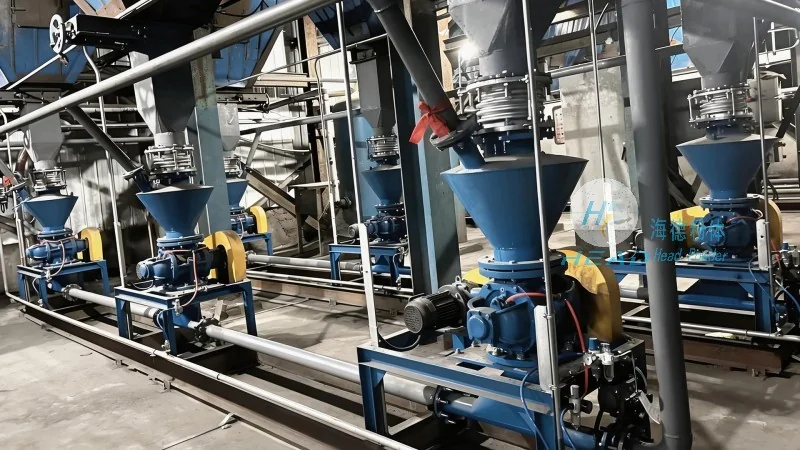
Another key advantage is the ability to handle abrasive and high-density materials without excessive wear on the system components. The positive pressure ensures that material is forced through the line, reducing the risk of clogging and improving the overall durability of the equipment. This is particularly beneficial for fracking sand, which is known for its abrasive properties and can cause rapid wear on negative pressure systems. Additionally, positive pressure systems are generally more reliable in terms of maintaining consistent flow rates, as they are less affected by changes in material moisture or density. This stability is crucial for maintaining production schedules and ensuring that the well site receives a steady supply of fracking sand.
Despite these advantages, positive pressure conveying also has its drawbacks. The primary disadvantage is the higher energy consumption compared to negative pressure systems. The need to maintain high pressure requires powerful compressors and pumps, leading to increased electricity costs and operational expenses. This can be a significant factor for companies operating in regions with high energy prices or where sustainability is a priority. Furthermore, positive pressure systems are more prone to material spillage and dust generation, especially when handling fine powders. The high pressure can cause material to escape from the line or create dust clouds, posing safety and environmental risks. Maintenance of these systems also involves regular inspection of seals, valves, and pressure vessels to prevent leaks and ensure compliance with safety regulations.
Comparative Analysis of Negative vs. Positive Pressure Systems
When comparing negative and positive pressure conveying systems for fracking sand, several factors must be considered to determine the most suitable option. The choice often depends on the specific application requirements, such as the distance to be covered, the volume of material to be transported, and the environmental constraints of the site. For short-distance, low-volume applications where material cleanliness is critical, negative pressure systems may be preferred due to their lower dust generation and reduced spillage risk. However, for long-distance, high-volume operations where material durability and consistent flow are essential, positive pressure systems are generally more suitable.
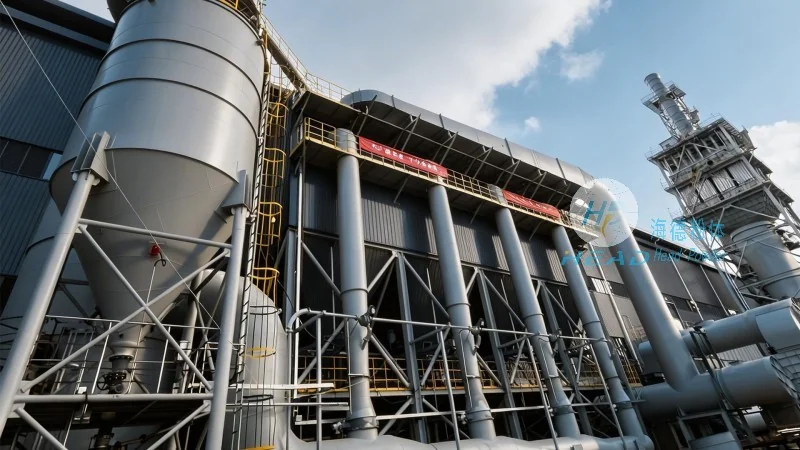
Energy consumption is another critical factor. Negative pressure systems are more energy-efficient for short distances, while positive pressure systems are more cost-effective for long distances due to their higher capacity and reliability. The initial investment cost also plays a role, as positive pressure systems typically require more robust equipment and higher installation costs compared to negative pressure systems. However, the lower maintenance costs and longer lifespan of positive pressure systems can offset the initial investment over time.
Environmental considerations are also important. Negative pressure systems are generally more environmentally friendly due to their lower dust emissions and reduced risk of material spillage. This makes them a better choice for sites located near residential areas or sensitive ecosystems. Positive pressure systems, while more efficient for long-distance transport, may require additional dust control measures to mitigate environmental impacts. The choice between the two systems should also consider the local regulations and environmental standards that apply to the operation.
Practical Considerations for Choosing the Right Conveying System
When selecting a conveying system for fracking sand, several practical considerations should be evaluated to ensure optimal performance and cost-effectiveness. First, the distance and volume of material to be transported are key factors. For example, if the well site is within a few hundred meters of the storage facility, a negative pressure system may be sufficient. However, for sites located several kilometers away, a positive pressure system is likely necessary to maintain the required flow rate. The material characteristics, such as particle size, density, and abrasiveness, also influence the choice. Abrasive materials like fracking sand are better suited for positive pressure systems due to their lower wear and higher durability.
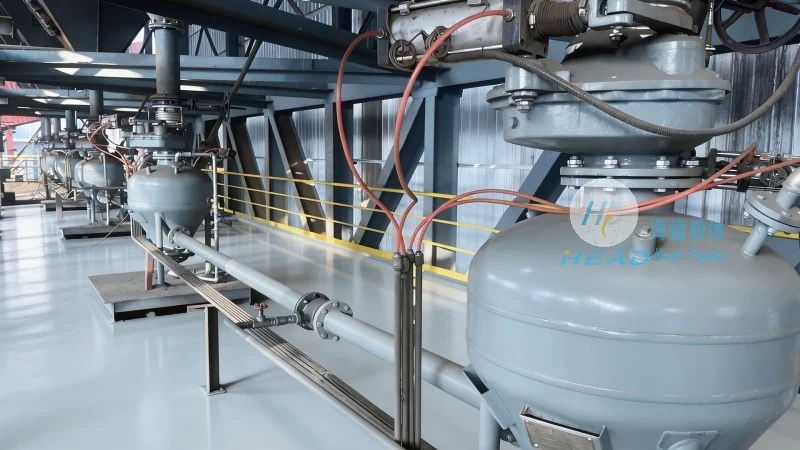
Operational costs, including energy consumption and maintenance, should be carefully assessed. Companies should compare the long-term operational costs of both systems, considering factors such as electricity prices, equipment lifespan, and maintenance frequency. The availability of skilled personnel for system operation and maintenance is another consideration. Negative pressure systems may require more specialized knowledge for vacuum pump maintenance, while positive pressure systems may need expertise in high-pressure equipment operation.
Environmental and safety regulations must also be taken into account. The system chosen should comply with local regulations regarding dust control, material spillage, and noise pollution. For example, in areas with strict environmental standards, negative pressure systems may be preferred to minimize dust emissions. Additionally, the system should be designed to meet safety standards, such as those related to pressure vessels and electrical equipment, to prevent accidents and ensure worker safety.
Conclusion
In conclusion, both negative pressure and positive pressure conveying systems have their unique advantages and disadvantages when used for fracking sand transportation. The choice between the two depends on a variety of factors, including the distance to be covered, the volume of material, the material characteristics, and the operational and environmental constraints of the site. Negative pressure systems are ideal for short-distance, low-volume applications where material cleanliness and energy efficiency are priorities. Positive pressure systems, on the other hand, are better suited for long-distance, high-volume operations where material durability and consistent flow are essential.
For companies operating in the oil and gas industry, selecting the right conveying system is crucial for maintaining operational efficiency, reducing costs, and ensuring environmental compliance. By carefully evaluating the specific requirements of their fracking operations and considering the pros and cons of each system, companies can choose the most appropriate conveying method to meet their needs. As the industry continues to evolve, advancements in conveying technology may offer new solutions that balance the advantages of both negative and positive pressure systems, further improving the efficiency and sustainability of fracking sand transportation.