

Clay Pneumatic Conveying Technology: In-Depth Analysis of Vacuum and Positive Pressure Pneumatic Con
HeadPowder, a leading provider in the field of material handling solutions, specializes in advanced pneumatic conveying systems tailored for challenging materials like clay. With a strong presence in Shandong, China, the company has established itself as a trusted partner for industries requiring efficient and reliable material transport. This article delves into the nuances of clay pneumatic conveying, focusing on the critical differences between vacuum and positive pressure systems, and explores their practical applications.
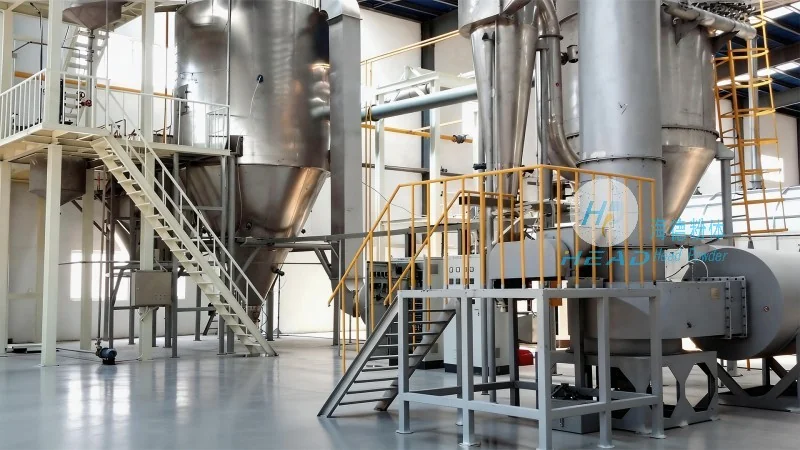
Understanding Pneumatic Conveying Systems for Clay
Clay, with its unique properties such as high moisture content, abrasive nature, and tendency to clog conventional equipment, demands specialized handling solutions. Pneumatic conveying offers a non-contact method to transport these materials, minimizing wear and tear on machinery while ensuring consistent flow. The two primary types of pneumatic conveying systems—vacuum and positive pressure—each present distinct advantages and are selected based on the specific requirements of the application.
Vacuum Pneumatic Conveying Systems
Vacuum systems operate by creating a negative pressure at the material inlet, drawing the material into the conveying line using air. This method is particularly effective for short to medium distance transport and is often used in applications where the material is sourced from a hopper or a storage silo. The key advantage of vacuum systems lies in their ability to handle materials with higher moisture content and fine particles, as the negative pressure helps maintain the material's integrity. However, they are generally limited to shorter distances due to the energy consumption and pressure drop associated with maintaining a vacuum over longer lengths.
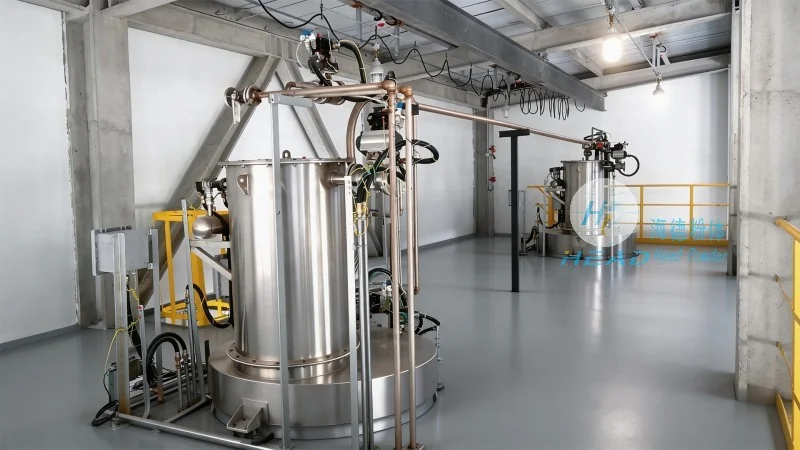
Positive Pressure Pneumatic Conveying Systems
Positive pressure systems, on the other hand, use compressed air to push the material through the conveying line. These systems are ideal for longer distances and can handle more complex material flows, including multiple material points or high-volume transport. The primary benefit of positive pressure is its ability to maintain consistent pressure throughout the system, which reduces the risk of material settling or clogging in the line. This makes positive pressure systems particularly suitable for transporting clay over longer distances or in applications where multiple transfer points are required.
Key Considerations for Selecting the Right System
The choice between vacuum and positive pressure pneumatic conveying for clay applications depends on several factors, including the distance of transport, the volume of material, the moisture content, and the presence of abrasive particles. For instance, in a manufacturing plant where clay is sourced from a hopper and needs to be transported to a processing unit over a short distance, a vacuum system may be more economical and efficient. Conversely, if the clay needs to be transported from a remote quarry to a processing facility over several kilometers, a positive pressure system would be more suitable due to its ability to handle longer distances and maintain consistent flow.
Applications in the Clay Industry
Clay pneumatic conveying systems find widespread application in various industries, including ceramics, brick manufacturing, and construction materials. In the ceramics industry, for example, clay is often transported from storage silos to mixing and molding equipment. The vacuum system can efficiently handle the fine clay particles, ensuring a consistent feed rate for the production process. In brick manufacturing, positive pressure systems are commonly used to transport clay from the quarry to the kiln, as the longer distances and higher material volumes require the robust performance of positive pressure systems.
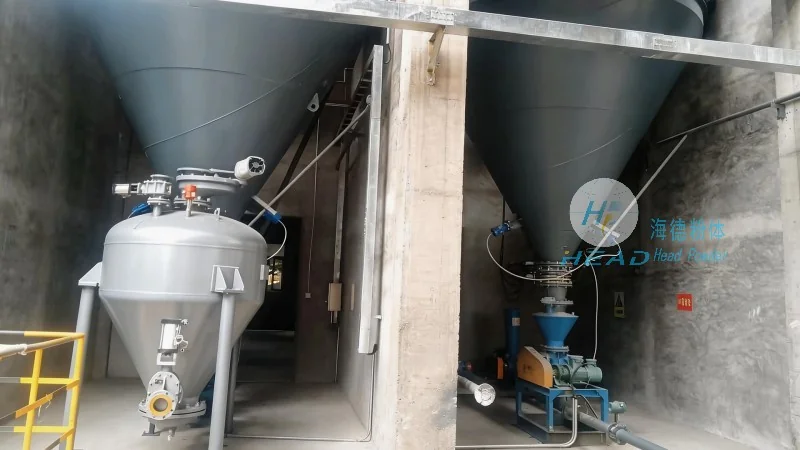
Advantages of HeadPowder's Pneumatic Conveying Solutions
HeadPowder Engineering Co., Ltd., based in Shandong, China, offers customized pneumatic conveying solutions that cater to the specific needs of clay handling. The company's expertise lies in designing systems that optimize material flow, minimize energy consumption, and ensure durability in the face of abrasive and moisture-rich materials. By leveraging advanced engineering and material science, HeadPowder provides systems that are not only efficient but also cost-effective in the long run. The company's commitment to quality and customer satisfaction has made it a preferred choice for industries relying on reliable material transport solutions.
Conclusion
In conclusion, the selection of the appropriate pneumatic conveying system—whether vacuum or positive pressure—for clay transport is crucial to the efficiency and reliability of material handling operations. By understanding the characteristics of each system and the specific requirements of the application, industries can choose the most suitable solution. HeadPowder Engineering Co., Ltd., with its expertise and customized solutions, continues to play a vital role in enabling efficient clay handling across various sectors, ensuring that material transport remains a seamless and productive part of the manufacturing process.