

[Rice Pneumatic Conveying Technology: In-Depth Analysis and Application of Vacuum and Positive Press
HeadPowder, a leading provider of pneumatic conveying solutions, specializes in advanced rice handling systems. This article delves into the technical nuances of vacuum and positive pressure pneumatic conveying technologies, exploring their applications, advantages, and practical implementation in rice processing industries.
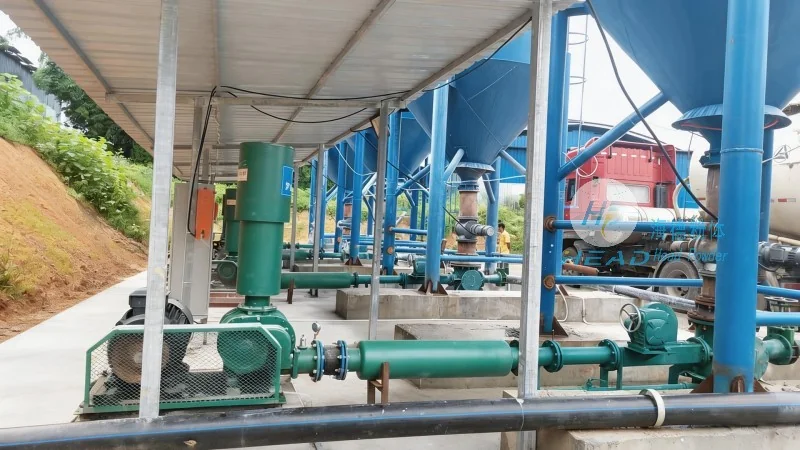
Understanding Pneumatic Conveying for Rice Handling
Pneumatic conveying is a critical method for transporting bulk materials like rice, offering efficient, dust-free, and automated solutions compared to traditional methods such as bucket elevators or belt conveyors. The two primary types of pneumatic conveying systems are vacuum and positive pressure systems, each with distinct operational principles and suitability for different rice handling scenarios.
Vacuum Pneumatic Conveying Systems
Vacuum conveying systems operate by creating a negative pressure environment at the material intake point. This draws rice particles into the conveying line using an air stream, typically generated by a vacuum pump. The system is ideal for transporting rice from lower to higher elevations or over short to medium distances, often in applications where the material needs to be collected from multiple points or stored in silos.
Key advantages of vacuum conveying include its ability to handle fine or fragile rice grains without causing breakage, making it suitable for maintaining product quality during transport. Additionally, vacuum systems are effective for conveying rice from open bins or hoppers, as the suction action can draw material from various locations without the need for complex feeding mechanisms. However, they may have limitations in terms of conveying distance and material density, as higher vacuum levels are required for longer or more challenging transport routes.

Positive Pressure Pneumatic Conveying Systems
Positive pressure systems, on the other hand, generate positive pressure at the material discharge point. An air stream is blown through the conveying line, pushing rice particles forward. This method is particularly effective for transporting rice over longer distances or against gravity, such as from a lower to a higher storage location. Positive pressure systems are often preferred in applications requiring high material throughput or where the rice needs to be discharged into a specific point, like a processing line or packaging machine.
One of the main benefits of positive pressure conveying is its ability to handle a wider range of material densities and particle sizes, including coarser rice varieties. The system can maintain consistent flow rates and is less prone to clogging compared to vacuum systems, especially when dealing with bulkier materials. However, positive pressure systems may generate more dust and require more robust equipment to handle higher air pressures, which can impact operational costs and maintenance requirements.
Applications and Practical Considerations
Both vacuum and positive pressure pneumatic conveying systems are widely used in rice processing facilities, from raw material reception to storage and packaging. Vacuum systems are commonly employed in the initial stages of rice handling, such as transferring rice from trucks or storage bins into processing silos. They are also suitable for conveying rice from processing equipment to packaging lines, ensuring a clean and efficient transfer process.
Positive pressure systems are often utilized in the later stages of rice processing, such as moving rice from storage silos to packaging machines or for long-distance transport within large processing plants. The choice between the two systems depends on factors like the distance between the intake and discharge points, the elevation change, the material characteristics (e.g., moisture content, grain size), and the required throughput. In many cases, a combination of both vacuum and positive pressure systems is used in a single rice handling operation to optimize efficiency and adapt to varying operational needs.
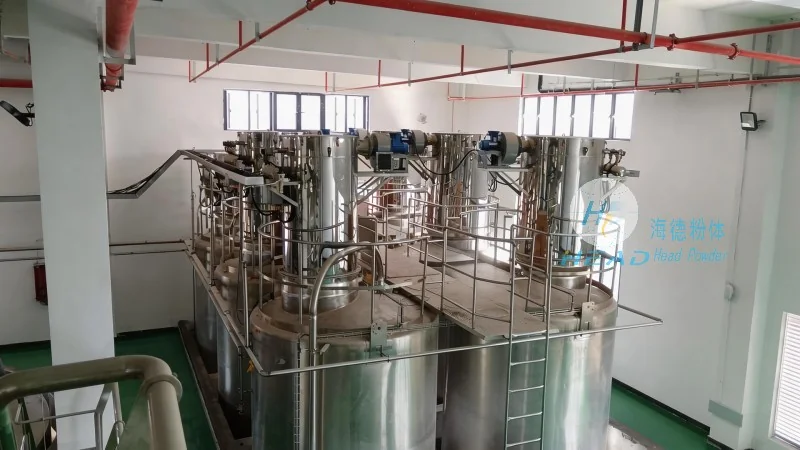
Advantages of HeadPowder's Pneumatic Conveying Solutions
HeadPowder Engineering Co., Ltd., based in Shandong, China, offers comprehensive pneumatic conveying solutions tailored to the specific needs of rice processing industries. Our systems are designed to enhance operational efficiency, maintain product quality, and reduce labor costs. By leveraging advanced technology and expert engineering, HeadPowder provides customized solutions that integrate seamlessly with existing rice handling infrastructure.
Our vacuum and positive pressure conveying systems are built with high-quality materials and components, ensuring durability and minimal maintenance. The systems are equipped with advanced control mechanisms that allow for precise regulation of air flow and pressure, optimizing conveying performance while minimizing energy consumption. Additionally, HeadPowder's solutions are designed to meet international safety and environmental standards, ensuring compliance with regulatory requirements in rice processing facilities.
Conclusion
In conclusion, vacuum and positive pressure pneumatic conveying technologies offer efficient and reliable solutions for rice handling in modern processing facilities. The choice between the two systems depends on specific operational requirements, such as distance, elevation, and material characteristics. HeadPowder Engineering Co., Ltd. provides expertly engineered pneumatic conveying systems that address these needs, delivering superior performance and long-term value to rice processing operations worldwide.