

Technical Analysis of Metal Silicon Pneumatic Conveying Systems: Comparison of Positive Pressure and
For industries dealing with metal silicon, efficient material handling is crucial to maintaining production efficiency and safety. Pneumatic conveying systems offer a reliable solution, but the choice between positive pressure and negative pressure modes significantly impacts system performance and operational costs. This article provides a technical analysis of these two primary pneumatic conveying methods, focusing on their principles, advantages, and practical applications in metal silicon processing.
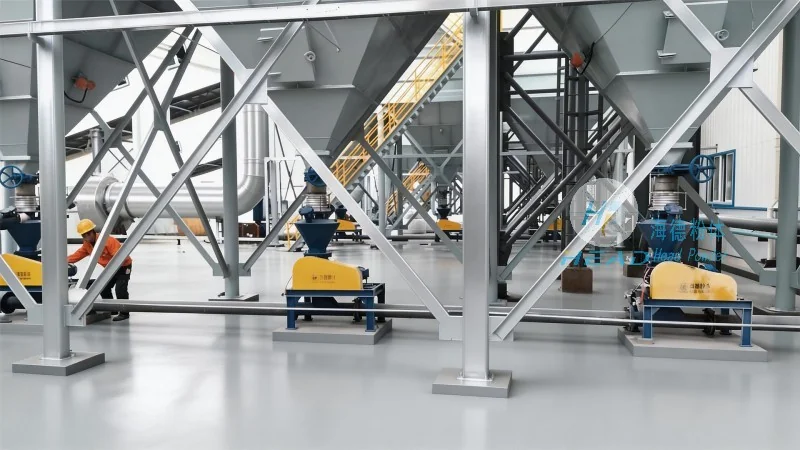
Understanding Pneumatic Conveying Systems for Metal Silicon
Pneumatic conveying systems use air or gas to transport bulk materials like metal silicon through a pipeline network. The two main modes—positive pressure and negative pressure—differ in how they create the necessary pressure differential to move material. Positive pressure systems force air into the conveying line, while negative pressure systems draw material into the line by creating a vacuum. Both have distinct characteristics that make them suitable for different scenarios in metal silicon handling.
Positive Pressure Conveying Mode: Advantages and Applications
Positive pressure pneumatic conveying operates by blowing air or gas into the conveying line, pushing the material forward. This mode is particularly effective for metal silicon due to its ability to handle abrasive or corrosive materials without causing excessive wear on system components. The high-pressure air ensures consistent material flow, reducing the risk of blockages and ensuring reliable delivery to processing units.
A key advantage of positive pressure systems is their suitability for long-distance or high-rise conveying. By maintaining a positive pressure throughout the pipeline, these systems can overcome elevation changes and overcome resistance from bends or filters. This makes them ideal for metal silicon plants where material needs to be transported from silos or storage areas to production lines located at different heights or across large distances.
Another benefit is the ease of integration with existing infrastructure. Positive pressure systems can often be retrofitted into existing facilities, minimizing downtime and installation costs. They also provide better control over material discharge, allowing for precise dosing into processing equipment. This level of control is critical in metal silicon applications where consistent material quality and processing parameters are essential.
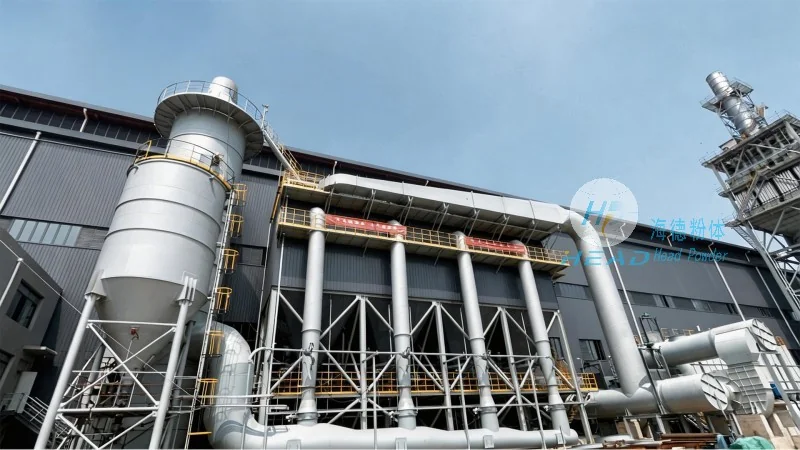
Negative Pressure Conveying Mode: Principles and Benefits
Negative pressure pneumatic conveying, also known as vacuum conveying, works by creating a vacuum in the conveying line to draw material from the source. This mode is generally more suitable for shorter conveying distances and lower material loads, as the vacuum pressure is limited by the system's ability to maintain a low pressure without causing air leaks or material spillage.
One of the primary benefits of negative pressure systems is their gentler handling of materials. The lower air velocities and reduced pressure differentials minimize particle breakage and abrasion, which is advantageous for metal silicon that may be sensitive to mechanical stress. This makes negative pressure ideal for applications where material integrity is paramount, such as transporting high-value or fine-grained metal silicon powders.
Additionally, negative pressure systems are often more energy-efficient for short-distance conveying. By only drawing air from the source and not expelling it at high pressure, these systems consume less energy compared to positive pressure systems. This can lead to lower operational costs over time, especially in facilities with frequent material transfers.
Comparative Analysis: Choosing the Right Mode for Metal Silicon
When deciding between positive and negative pressure pneumatic conveying for metal silicon, several factors must be considered. The most critical factors include conveying distance, material characteristics, system complexity, and operational costs. Positive pressure systems excel in long-distance or high-elevation applications where high air pressure is required to maintain flow. They are also better suited for abrasive or corrosive materials that can withstand higher air velocities and pressures.
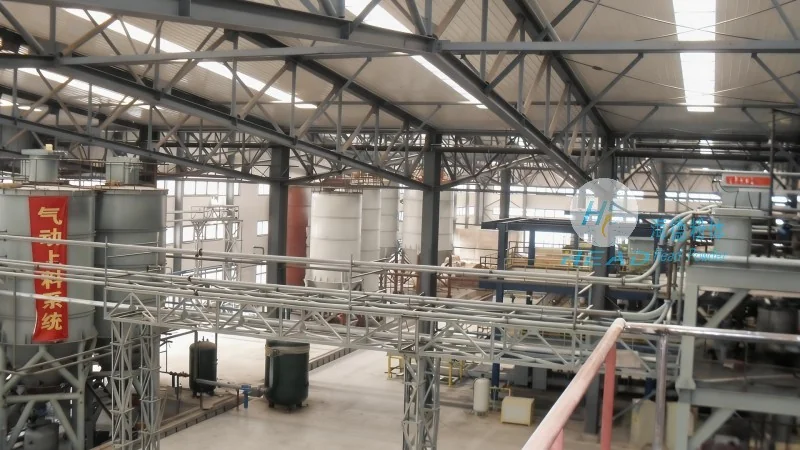
On the other hand, negative pressure systems are preferred for short-distance conveying of fine or delicate metal silicon powders where material integrity is a top priority. They are also more energy-efficient for these scenarios and can be more cost-effective in terms of initial setup and maintenance.
Another important consideration is the system's ability to handle variations in material flow. Positive pressure systems can better accommodate fluctuations in material feed rates, as the high pressure ensures consistent flow even with changes in source material. Negative pressure systems, however, may experience more variability in flow, especially if the vacuum is not maintained effectively.
HeadPowder Engineering: Expertise in Metal Silicon Pneumatic Conveying
Shandong HeadPowder Engineering Co., Ltd., a leading provider of pneumatic conveying solutions, specializes in designing and implementing customized systems for metal silicon handling. With years of experience in the industry, HeadPowder understands the unique challenges of metal silicon processing and offers tailored solutions that optimize performance and efficiency.
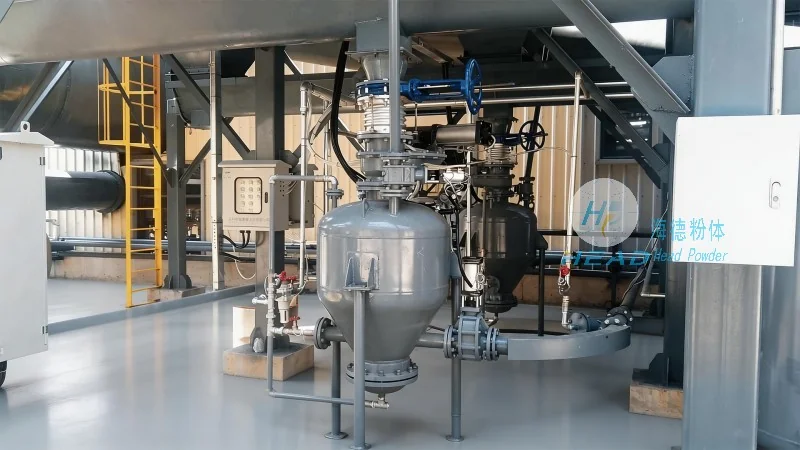
The company's expertise lies in the detailed analysis of material properties, such as particle size, density, and abrasiveness, to select the most appropriate conveying mode and system configuration. By leveraging advanced engineering techniques and material science knowledge, HeadPowder ensures that each system is optimized for the specific requirements of the metal silicon application.
HeadPowder's commitment to quality and innovation is reflected in its use of high-quality components and adherence to industry standards. The company provides comprehensive support, from initial system design and installation to ongoing maintenance and troubleshooting. This ensures that clients can rely on their pneumatic conveying systems to deliver consistent performance and minimize downtime.
Conclusion: Selecting the Optimal Pneumatic Conveying Solution
Choosing between positive and negative pressure pneumatic conveying for metal silicon requires a careful evaluation of operational needs and material characteristics. Positive pressure systems offer robustness and reliability for long-distance or high-elevation applications, while negative pressure systems provide gentler handling and energy efficiency for short-distance or delicate material transfers. By understanding the strengths and limitations of each mode, industrial facilities can select the most suitable system to enhance their metal silicon processing operations.
For expert guidance and customized solutions, Shandong HeadPowder Engineering Co., Ltd. stands ready to assist. With a focus on technical excellence and client satisfaction, HeadPowder helps industries optimize their material handling processes and achieve higher productivity and efficiency in metal silicon production.