

Classification and Composition of Limestone Pneumatic Conveying Systems
Limestone is a widely used raw material in various industrial processes, including cement production, chemical manufacturing, and environmental remediation. The efficient and reliable transportation of limestone from storage to processing units is crucial for maintaining production efficiency and reducing operational costs. Pneumatic conveying systems offer a versatile solution for handling limestone, providing advantages such as dust control, reduced material degradation, and flexible system integration. This article explores the classification and key components of limestone pneumatic conveying systems, highlighting the technical aspects and practical applications in industrial settings.
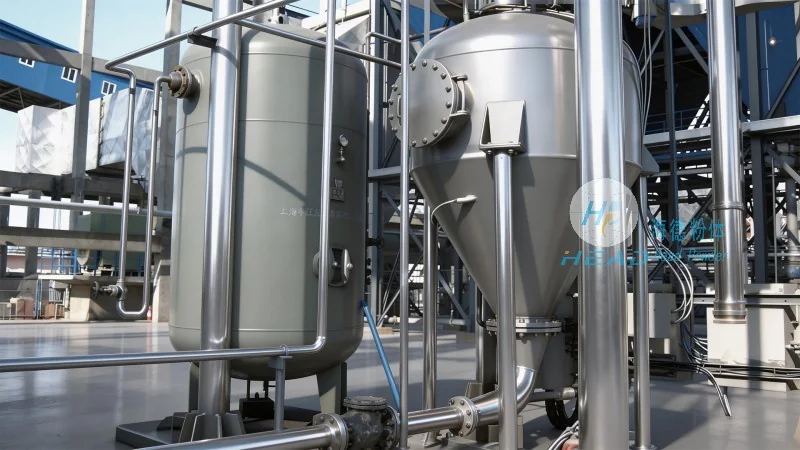
Classification of Limestone Pneumatic Conveying Systems
Limestone pneumatic conveying systems can be classified based on the method of material transport and the pressure differential within the system. The primary categories include:
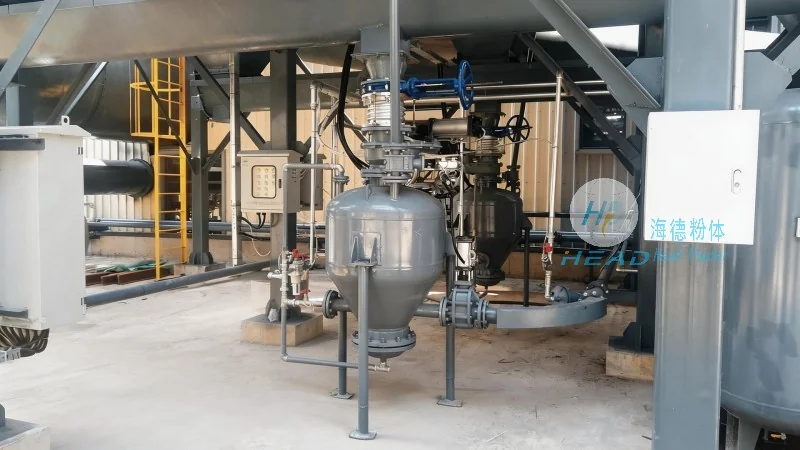
- Absorption Type (Suction Conveying): This system operates under negative pressure, drawing limestone from the source (e.g., silos or stockpiles) into the conveying line. It is suitable for short to medium distances and low to moderate material flow rates. The low pressure required makes it energy-efficient for certain applications.
- Compression Type (Pressure Conveying): In this system, the material is pushed through the pipeline using positive pressure, typically generated by a blower or compressor. It is ideal for longer distances and higher material flow rates, as it can handle more abrasive or sticky limestone materials.
- Combined Type: Some systems combine both suction and pressure principles to achieve optimal performance. For example, a suction section may be used to draw material from a hopper, followed by a pressure section to transport it to the destination. This hybrid approach allows for flexibility in handling varying material characteristics and system configurations.
Key Components of Limestone Pneumatic Conveying Systems
Regardless of the classification, limestone pneumatic conveying systems consist of several critical components that work in tandem to ensure smooth operation. These components include:
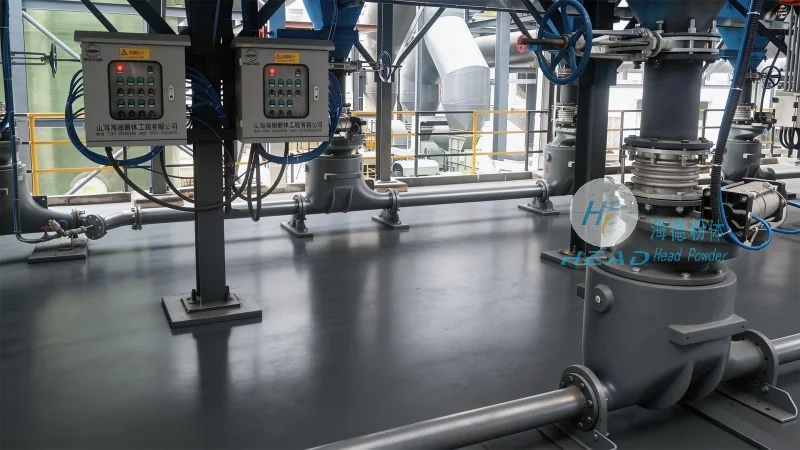
- Feeding Device: The feeding device is responsible for introducing limestone into the conveying line. Common types include rotary valves, star feeders, and screw conveyors. The choice of feeder depends on the material's bulk density, flowability, and the required feeding rate. For limestone, which can be abrasive, high-quality materials and proper maintenance are essential to prevent wear and ensure consistent feeding.
- Conveying Pipeline: The pipeline is the main channel through which limestone is transported. It is typically made of stainless steel or other corrosion-resistant materials to withstand the chemical properties of limestone and prevent clogging. The pipeline design, including the diameter and length, is critical for maintaining the desired air-to-material ratio and preventing pressure drops that could lead to system inefficiencies.
- Air Supply Unit: This component generates the necessary airflow to move the limestone particles. It includes a blower or compressor, a filter to remove contaminants from the air, and a pressure regulator to control the system pressure. The air supply unit must be capable of providing sufficient pressure and flow rate to match the system's requirements, ensuring reliable material transport.
- Separation and Collection Equipment: At the receiving end, the system needs to separate the limestone from the air and collect it in a designated container. This typically involves a cyclone separator, which uses centrifugal force to separate the solid particles from the air stream, followed by a dust collector or baghouse to capture any fine particles. The efficiency of the separation equipment is crucial for maintaining air quality and preventing material loss.
- Control System: Modern limestone pneumatic conveying systems are equipped with advanced control systems that monitor and regulate the operation of various components. These systems may include sensors for pressure, flow rate, and material level, as well as programmable logic controllers (PLCs) to automate the feeding and conveying processes. The control system enhances system reliability, reduces downtime, and allows for real-time adjustments to optimize performance.
Applications and Benefits of Limestone Pneumatic Conveying Systems
Limestone pneumatic conveying systems are widely used in various industries due to their versatility and efficiency. In the cement industry, for example, these systems are used to transport limestone from storage silos to the raw mill, where it is ground into fine powder for cement production. The ability to handle large volumes of limestone with minimal labor and space requirements makes pneumatic conveying an attractive option for cement plants. In chemical manufacturing, limestone is used as a raw material in the production of calcium compounds, and pneumatic conveying systems facilitate the delivery of limestone to reactors and processing units. Additionally, in environmental applications, limestone is used for acid neutralization and water treatment, and pneumatic conveying systems deliver the material to treatment facilities.
The benefits of using limestone pneumatic conveying systems extend beyond efficiency. These systems offer significant advantages over traditional methods such as belt conveyors or bucket elevators. One of the key benefits is dust control. Pneumatic conveying systems enclose the material in a sealed pipeline, preventing dust emissions and improving workplace safety. This is particularly important for limestone, which can be a respiratory hazard when inhaled. Another advantage is reduced material degradation. Unlike mechanical conveyors that can cause abrasion or breakage of the limestone particles, pneumatic systems transport the material in a fluidized state, minimizing damage and preserving the material's quality. Furthermore, pneumatic conveying systems are flexible and can be easily integrated with existing industrial infrastructure, allowing for modular expansion and adaptation to changing production needs.
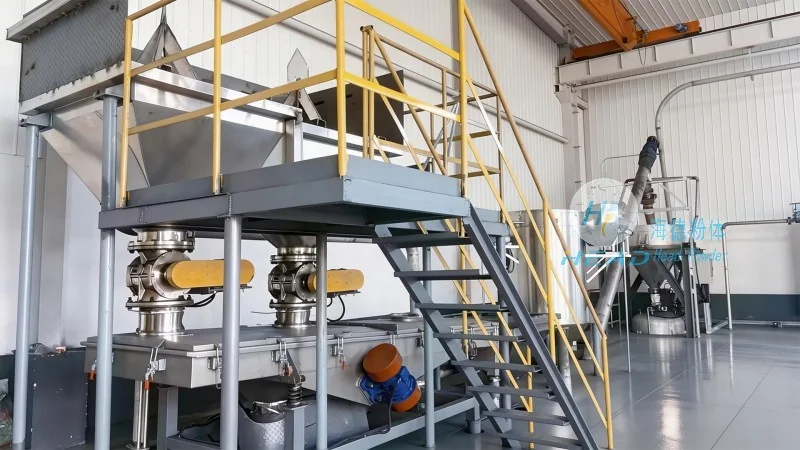
About Shandong HeadPowder Engineering Co., Ltd.
Shandong HeadPowder Engineering Co., Ltd., commonly known as HeadPowder, is a leading manufacturer and supplier of pneumatic conveying systems and related equipment. With years of experience in the industry, HeadPowder specializes in designing and manufacturing customized limestone pneumatic conveying solutions tailored to the specific needs of clients. The company's products are known for their high quality, durability, and efficiency, meeting the demands of various industrial applications. HeadPowder's commitment to innovation and customer satisfaction has made it a trusted partner for businesses seeking reliable and cost-effective material handling solutions. Based in Shandong, China, HeadPowder leverages its local expertise and resources to provide comprehensive support to clients worldwide.