

Classification and Composition of Copper Mine Sand Pneumatic Conveying Systems
HeadPowder, a leading engineering firm based in Shandong, China, specializes in the design and implementation of advanced pneumatic conveying systems for copper mine sand applications. This article provides a detailed overview of the classification and essential components that constitute such systems, ensuring efficient material handling and transport within mining operations.
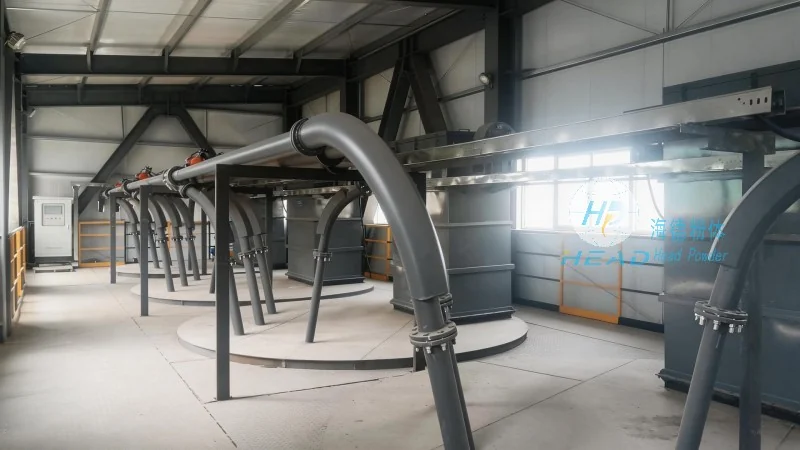
Classification of Copper Mine Sand Pneumatic Conveying Systems
Pneumatic conveying systems for copper mine sand are typically categorized based on the air velocity and the density of the material-air mixture. The primary classifications include:
- Suspension Pneumatic Conveying: This system operates at high air velocities, where the material is suspended in the air stream. It is suitable for fine powders and granular materials, offering high transport efficiency and minimal pressure drop.
- Entrained Flow Pneumatic Conveying: Characterized by lower air velocities, this method involves the material being carried in a dense, high-velocity air stream. It is ideal for handling larger particles and bulk materials, providing robust transport capabilities.
- Pressure Pneumatic Conveying: Involves pressurizing the conveying line to move material from a high-pressure source to a lower-pressure destination. This system is effective for long-distance transport and can handle abrasive materials like copper mine sand.
Key Components of Copper Mine Sand Pneumatic Conveying Systems
The effective operation of a copper mine sand pneumatic conveying system relies on several critical components, each designed to perform specific functions in the material transport process:
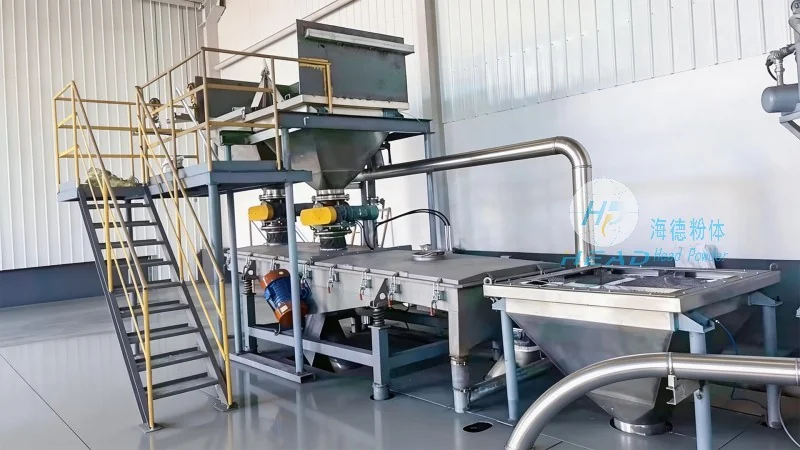
- Feed Hopper and Metering Device: The feed hopper stores the copper mine sand and feeds it into the system at a controlled rate. The metering device ensures consistent material flow, preventing overloading or underloading of the conveying line.
- Air Supply and Compressor Unit: This component generates the necessary air pressure and volume to move the material. High-efficiency compressors are used to maintain stable pressure, reducing energy consumption and wear on system components.
- Conveying Pipe Network: The pipeline system, made from durable materials like stainless steel or corrosion-resistant alloys, transports the material and air mixture. The pipe design considers factors such as material abrasiveness, pressure requirements, and system layout to ensure longevity and efficiency.
- Separation and Collection Unit: At the receiving end, the separation unit removes the material from the air stream. This typically involves cyclones, filters, or other separation equipment that captures the copper mine sand while allowing the air to be recirculated or vented.
- Control and Monitoring System: Advanced control systems manage the operation of the entire pneumatic conveying system. Sensors and controllers monitor parameters such as pressure, flow rate, and material level, ensuring optimal performance and preventing system failures.
Design Considerations for Copper Mine Sand Pneumatic Conveying
When designing a copper mine sand pneumatic conveying system, several factors must be considered to ensure reliability and efficiency:
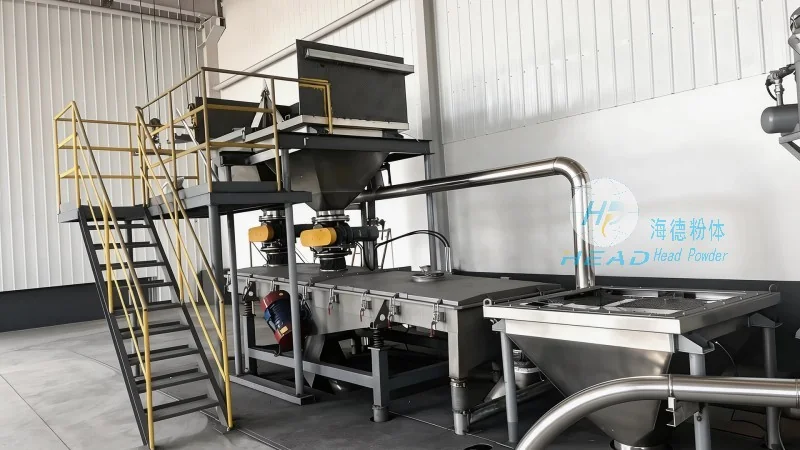
- Material Properties: The physical and chemical properties of copper mine sand, including particle size, density, and abrasiveness, influence the system design. These properties affect the choice of equipment, pipe materials, and operating conditions.
- Transport Distance and Height: The distance and elevation change between the feed and discharge points determine the required air pressure and system configuration. Longer or higher transport distances may necessitate additional booster units or higher pressure systems.
- System Integration: The pneumatic conveying system must be integrated with other mining equipment, such as crushers, screens, and storage silos. Proper integration ensures smooth material flow and minimizes bottlenecks in the overall process.
- Energy Efficiency: Optimizing the system for energy efficiency reduces operational costs and environmental impact. This includes selecting high-efficiency compressors, minimizing pressure losses in the pipeline, and implementing proper air recirculation strategies.
Applications in Copper Mining Operations
Copper mine sand pneumatic conveying systems are widely used in various stages of copper mining and processing. They are particularly effective in:
- Raw Material Transport: Moving copper ore from mining sites to processing facilities, ensuring a continuous supply of material for crushing and grinding operations.
- Intermediate Product Handling: Transporting crushed and screened copper sand between different processing stages, such as from crushers to ball mills or from screens to storage silos.
- Byproduct and Waste Management: Conveying waste materials or byproducts from the mining process to disposal or recycling facilities, maintaining environmental compliance and operational efficiency.
Advantages of Using Pneumatic Conveying for Copper Mine Sand
Compared to traditional mechanical conveying methods, pneumatic conveying systems offer several advantages for copper mine sand applications: