

Classification and Composition of Lithium Oxalate Pneumatic Conveying Systems
Understanding the classification and composition of lithium oxalate pneumatic conveying systems is crucial for industries that rely on efficient material handling solutions. These systems are designed to transport lithium oxalate, a critical chemical compound used in various applications, with precision and reliability. The following sections will explore the different classifications of such systems and the key components that make them functional.
Classification of Lithium Oxalate Pneumatic Conveying Systems
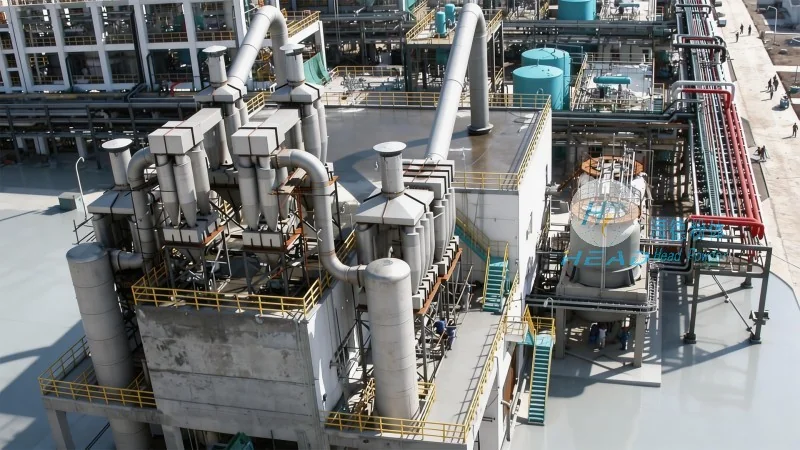
Lithium oxalate pneumatic conveying systems can be classified based on several factors, including the type of conveying air flow, the system's pressure, and the specific application requirements. The primary classifications include dilute phase and dense phase systems. Dilute phase systems operate at low to moderate pressures and use a high volume of air to transport material in a suspended state, making them suitable for long-distance and high-volume applications. Dense phase systems, on the other hand, operate at higher pressures and use a lower volume of air, which results in a more controlled and gentle material transport, ideal for handling delicate or abrasive materials like lithium oxalate.
Key Components of Lithium Oxalate Pneumatic Conveying Systems
The composition of a lithium oxalate pneumatic conveying system involves several essential components that work together to ensure efficient operation. The main components include the material hopper, which stores the lithium oxalate, the feeder, which controls the flow of material into the system, the air compressor or blower, which provides the necessary air pressure, the conveying line, which transports the material, and the receiver, which collects the material at the destination. Additionally, the system may include filters to remove dust and moisture, and control valves to regulate air flow and pressure. Each component plays a vital role in maintaining the system's performance and ensuring the safe and efficient transport of lithium oxalate.
Material Hopper and Feeder Systems
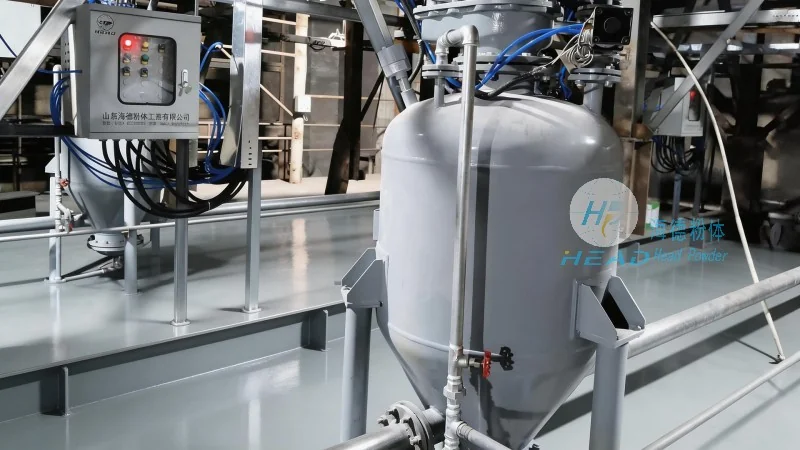
The material hopper is a critical component in a lithium oxalate pneumatic conveying system as it holds the bulk of the lithium oxalate before it is fed into the system. The hopper is typically designed with a sloped bottom to facilitate the flow of material into the feeder. The feeder, which can be a rotary valve, a screw feeder, or a vibratory feeder, controls the rate at which lithium oxalate is introduced into the conveying line. Proper design of the hopper and feeder is essential to prevent material bridging or clogging, which can lead to system inefficiencies and downtime. For lithium oxalate, which can be sensitive to moisture and temperature, the hopper and feeder are often equipped with heating or cooling elements to maintain optimal conditions and prevent degradation of the material.
Air Compressor and Blower Units
The air compressor or blower is responsible for generating the air pressure needed to move the lithium oxalate through the conveying line. The choice of compressor depends on the system's classification and the required pressure. Dilute phase systems typically use centrifugal blowers, which are efficient for high-volume air flow at moderate pressures. Dense phase systems may require positive displacement blowers or compressors that can maintain higher pressures. The air compressor must be capable of delivering clean, dry air to prevent contamination of the lithium oxalate, which could affect its quality and performance in downstream applications. Regular maintenance of the compressor, including filter changes and lubrication, is essential to ensure consistent performance and extend the system's lifespan.
Conveying Line and Receiver
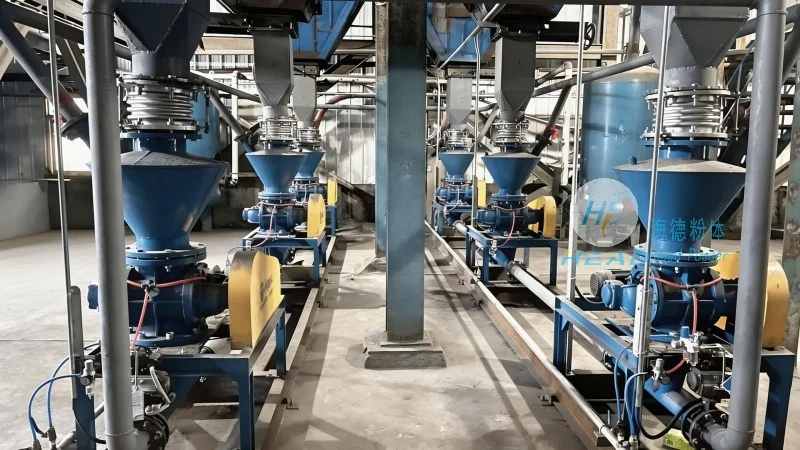
The conveying line is the central part of the pneumatic system where the lithium oxalate is transported from the feeder to the receiver. The line is usually made of stainless steel or other corrosion-resistant materials to withstand the chemical properties of lithium oxalate and prevent material buildup. The diameter and length of the line are carefully selected based on the system's classification and the material's characteristics. The receiver, located at the end of the conveying line, collects the material and may include a storage tank or a discharge valve. The receiver is designed to minimize dust emissions and ensure the material is discharged smoothly. For applications where the lithium oxalate needs to be stored before further processing, the receiver may be equipped with a silo or a hopper to maintain the material's quality.
Filters and Control Systems
To ensure the purity and quality of the lithium oxalate, the pneumatic conveying system includes filters and control systems. Filters are installed at various points in the system, such as the air intake and the conveying line exit, to remove dust, particles, and moisture. These filters help prevent contamination of the material and protect downstream equipment from damage. The control system, which may include sensors and automation devices, monitors the system's performance and adjusts parameters like air pressure and material flow rate as needed. This ensures that the system operates within optimal conditions and minimizes the risk of malfunctions or material loss. For lithium oxalate, which is often used in sensitive applications like battery manufacturing, maintaining a clean and controlled environment is paramount, and the filters and control systems play a crucial role in achieving this.
Applications and Industry Use Cases
Lithium oxalate pneumatic conveying systems are widely used in industries that require the efficient and safe transport of lithium oxalate. The primary applications include battery manufacturing, where lithium oxalate is used as a precursor for lithium ion batteries, and chemical processing, where it is used in the production of other lithium compounds. In battery manufacturing, the system must be capable of handling large volumes of lithium oxalate with high precision to ensure consistent battery performance. The gentle transport provided by dense phase systems is particularly beneficial in this application, as it prevents damage to the material and maintains its quality. In chemical processing, the system may be used to transport lithium oxalate between different stages of production, such as from a reactor to a storage tank or from a storage tank to a reactor. The reliability and efficiency of the pneumatic system are critical in these applications, as any downtime can lead to production delays and increased costs.
Maintenance and Operational Considerations
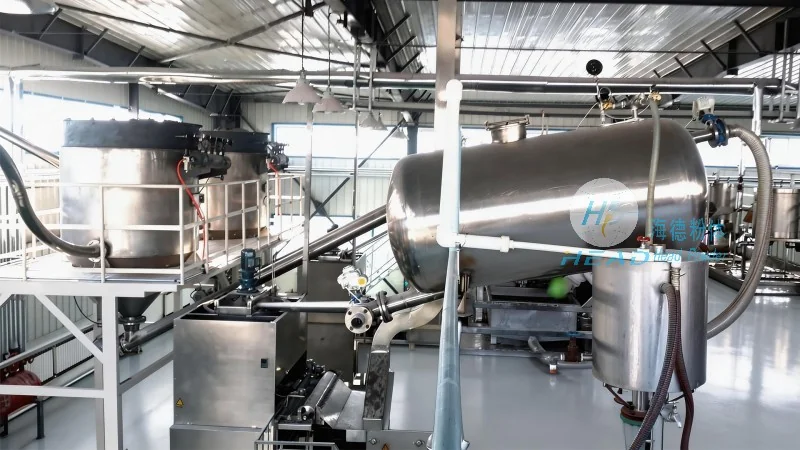
Proper maintenance and operational considerations are essential to ensure the long-term performance and reliability of a lithium oxalate pneumatic conveying system. Regular inspection of the system's components, including the hopper, feeder, compressor, and conveying line, is necessary to identify and address any potential issues before they become major problems. The filters should be checked and replaced regularly to maintain air quality and prevent clogging. The air compressor should be serviced according to the manufacturer's recommendations to ensure optimal performance and prevent breakdowns. Additionally, the system should be operated within the specified parameters, such as pressure and flow rate, to avoid overloading or damaging the components. For lithium oxalate, which can be sensitive to moisture and temperature, the system should be monitored for any signs of degradation or contamination, and corrective actions should be taken promptly. By following proper maintenance procedures and operational guidelines, the system can provide reliable and efficient transport of lithium oxalate for years to come.
Conclusion
In conclusion, the classification and composition of lithium oxalate pneumatic conveying systems are critical factors in ensuring efficient and reliable material handling. The choice of system classification, such as dilute or dense phase, depends on the specific application requirements, including material characteristics, distance, and volume. The key components, including the material hopper, feeder, air compressor, conveying line, and receiver, work together to transport lithium oxalate with precision and safety. Proper maintenance and operational considerations are essential to maximize the system's performance and lifespan. As industries continue to rely on lithium oxalate for various applications, the importance of efficient and reliable pneumatic conveying systems will only grow. By understanding the classification and composition of these systems, businesses can make informed decisions to improve their material handling processes and enhance overall productivity.