

Secondary Zinc Oxide Pneumatic Conveying: How to Efficiently Transport Powdered Materials with Air F
Secondary zinc oxide is a critical material in various industrial applications, and its efficient handling is essential for maintaining production efficiency and product quality. Pneumatic conveying, particularly the secondary zinc oxide pneumatic conveying system, offers a sophisticated solution for transporting this fine powder. This article explores the principles, benefits, and practical applications of using air flow to move secondary zinc oxide, highlighting how such systems enhance material handling processes.
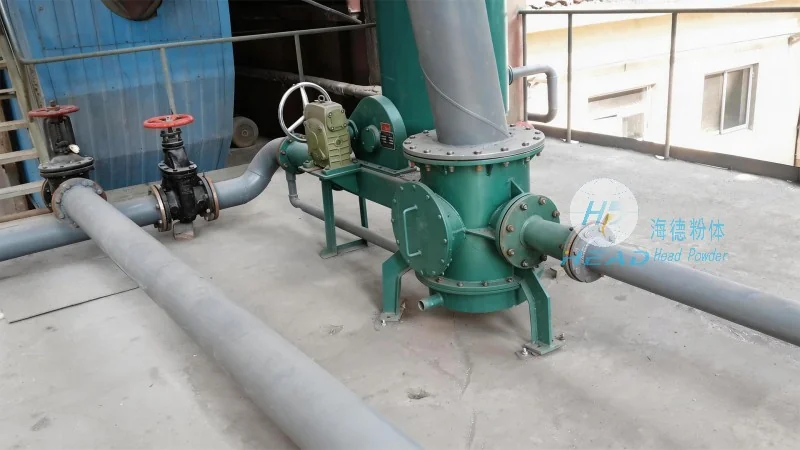
Understanding Secondary Zinc Oxide Pneumatic Conveying
Secondary zinc oxide pneumatic conveying involves the use of air or gas to transport powdered materials like secondary zinc oxide through a pipeline system. Unlike traditional mechanical conveying methods, this technique relies on the kinetic energy of the air stream to move the particles. The process typically includes a source of air (such as a blower or compressor), a hopper or feeder to introduce the material, and a pipeline network that directs the mixture of air and powder to the destination point. The system can operate in either positive or negative pressure modes, depending on the specific requirements of the application.
The Advantages of Pneumatic Conveying for Secondary Zinc Oxide
Implementing a pneumatic conveying system for secondary zinc oxide offers several key advantages. First, it minimizes product contamination, as the material is not in direct contact with metal or other surfaces that could introduce impurities. This is particularly important for high-purity applications where secondary zinc oxide is used. Second, the system reduces the risk of dust explosions compared to other methods, as the material is contained within the pipeline and not exposed to open air. Third, pneumatic conveying can handle a wide range of particle sizes and flow rates, making it versatile for different production needs. Additionally, it can integrate seamlessly with existing production lines, reducing the need for extensive modifications to the facility.
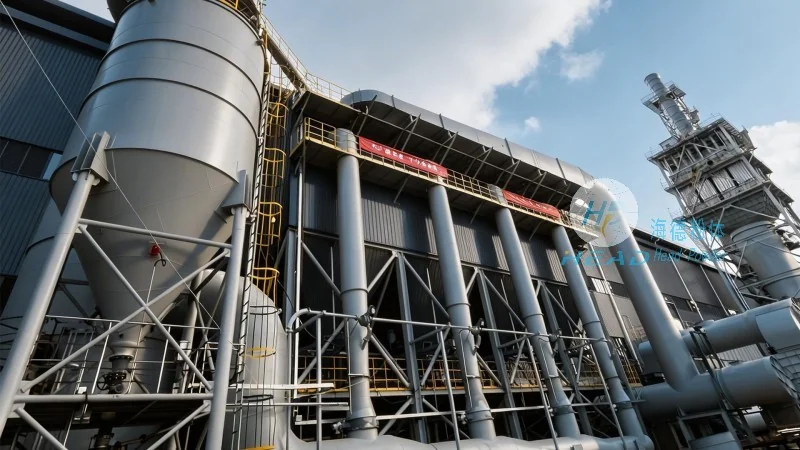
Key Components of a Secondary Zinc Oxide Pneumatic Conveying System
A well-designed secondary zinc oxide pneumatic conveying system consists of several critical components. The primary components include a blower or compressor to generate the air flow, a hopper or feeder to feed the material into the system, a pipeline network with appropriate fittings and valves, and a receiver or discharge unit to collect the material at the destination. Other important components may include filters to remove dust from the air stream, cyclones or separators to separate the material from the air, and control systems to regulate the flow and pressure. Each component plays a vital role in ensuring the efficient and safe operation of the system.
Applications and Industries Benefiting from This Technology
Secondary zinc oxide pneumatic conveying is widely used in various industries that require the handling of fine powders. In the chemical industry, it is used for transporting zinc oxide in the production of rubber, plastics, and pharmaceuticals. The food industry also utilizes this technology for handling zinc oxide in food supplements and additives. Additionally, the manufacturing of coatings, inks, and pigments relies on pneumatic conveying systems to move secondary zinc oxide efficiently. The versatility of the system makes it suitable for a broad range of applications, from small-scale laboratory use to large-scale industrial production.

How Shandong HeadPowder Engineering Co., Ltd. Enhances Pneumatic Conveying Solutions
Shandong HeadPowder Engineering Co., Ltd., a leading provider of material handling solutions, specializes in designing and manufacturing advanced pneumatic conveying systems tailored to the needs of secondary zinc oxide applications. With years of experience in the industry, the company has developed a deep understanding of the challenges associated with handling fine powders like secondary zinc oxide. Their expertise allows them to design systems that optimize efficiency, reduce downtime, and ensure product integrity. The company's solutions are customized to meet specific production requirements, ensuring that clients can achieve their operational goals while maintaining high standards of safety and quality.
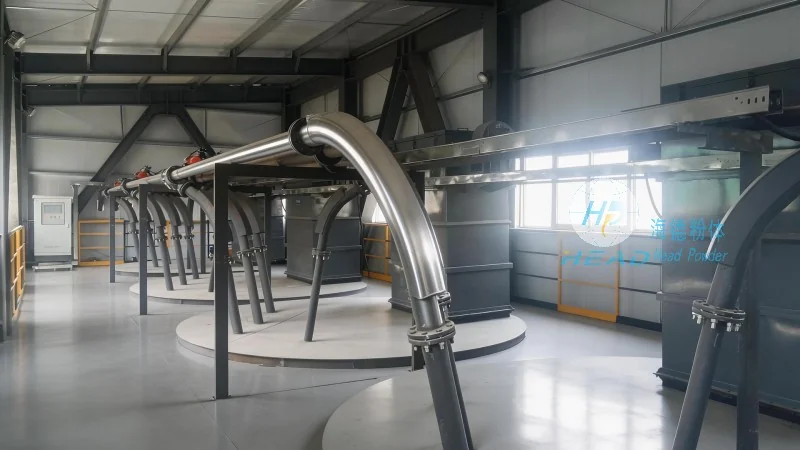
Addressing Common Challenges in Secondary Zinc Oxide Pneumatic Conveying
While pneumatic conveying offers numerous benefits, it also presents some challenges that need to be addressed. One common issue is the potential for material buildup or blockages in the pipeline, which can lead to system downtime. To mitigate this, HeadPowder Engineering employs advanced materials and designs that minimize friction and prevent particle accumulation. Another challenge is maintaining the air quality and preventing dust emissions, which can affect both the environment and the health of workers. The company's systems include effective filtration and sealing mechanisms to address these concerns, ensuring compliance with environmental regulations and worker safety standards.
Conclusion: The Future of Efficient Material Handling with Pneumatic Conveying
Secondary zinc oxide pneumatic conveying represents a significant advancement in material handling technology, offering a reliable and efficient method for transporting fine powders. By leveraging the power of air flow, these systems enhance production efficiency, reduce costs, and improve product quality. As industries continue to demand higher standards of performance and safety, the importance of advanced pneumatic conveying systems will only grow. Shandong HeadPowder Engineering Co., Ltd. remains at the forefront of this technology, providing innovative solutions that meet the evolving needs of their clients. With their expertise and commitment to quality, they continue to play a vital role in the efficient handling of secondary zinc oxide and other fine materials.