

Introduction to Sugar Conveying Systems and the Advantages of Sugar Pneumatic Conveying
Sugar conveying systems are critical components in the sugar processing industry, facilitating the efficient and safe movement of raw and refined sugar from storage to processing units. These systems are designed to handle the unique characteristics of sugar, such as its granular structure, hygroscopic nature, and potential for dust generation. A well-designed sugar conveying system not only enhances operational efficiency but also ensures product quality and worker safety.
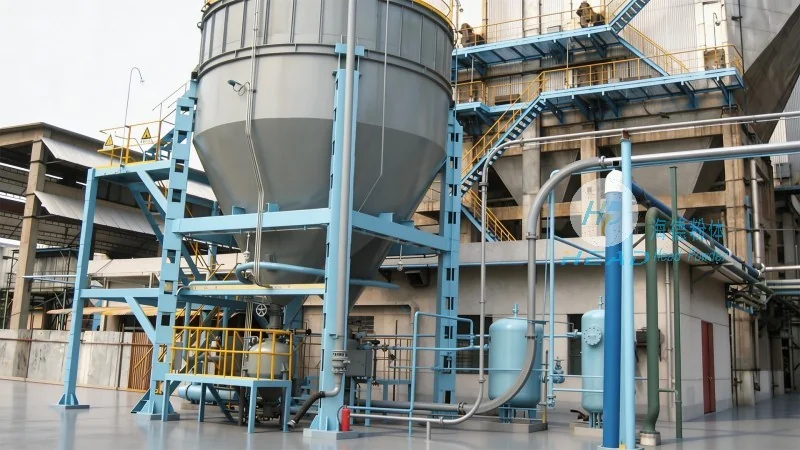
Overview of Sugar Conveying Systems
Sugar conveying systems typically consist of several key components, including hoppers, feeders, conveying lines, and discharge mechanisms. Hoppers are used to store and feed sugar into the system, while feeders control the flow rate to maintain consistent operation. Conveying lines, often made of stainless steel or other corrosion-resistant materials, transport the sugar through the system. Discharge mechanisms then deliver the sugar to the next stage of processing, such as refining or packaging. The design of these components is crucial for preventing sugar degradation, caking, or blockages, which can impact the overall efficiency of the system.
The Advantages of Pneumatic Conveying for Sugar
Pneumatic conveying, also known as air conveying, is a popular method for transporting sugar due to its numerous advantages over traditional mechanical systems. One of the primary benefits is the ability to handle fine or powdery sugar without the need for mechanical components that could cause product degradation or contamination. Pneumatic systems use air pressure to move sugar through a pipeline, reducing the risk of product breakage and ensuring a clean, dust-free transfer. This method is particularly effective for transporting sugar over long distances or through complex layouts, as the conveying lines can be easily routed around obstacles and equipment.

Key Features of Pneumatic Sugar Conveying Systems
Modern pneumatic sugar conveying systems incorporate several advanced features to optimize performance and reliability. One key feature is the use of positive pressure or negative pressure systems, depending on the application. Positive pressure systems blow air into the conveying line, pushing the sugar forward, while negative pressure systems create a vacuum to draw the sugar through the line. Both methods have their advantages, with positive pressure being more suitable for long-distance or high-capacity applications, and negative pressure for shorter distances or when handling sensitive products. Additionally, many systems include air filtration and separation equipment to remove moisture and fine particles from the sugar, ensuring that the product remains in optimal condition throughout the conveying process.
Benefits of Using Pneumatic Conveying in Sugar Processing
The adoption of pneumatic conveying in sugar processing brings several tangible benefits. Firstly, it significantly reduces labor costs by automating the material handling process, eliminating the need for manual loading and unloading. This not only improves safety by minimizing human exposure to dust and other hazards but also increases productivity by allowing workers to focus on other critical tasks. Secondly, pneumatic systems offer better control over the conveying process, with adjustable air pressure and flow rates that can be tailored to the specific characteristics of the sugar being handled. This flexibility ensures that the system operates efficiently under varying conditions, such as changes in sugar moisture content or particle size. Thirdly, the use of stainless steel and other corrosion-resistant materials in pneumatic systems helps to maintain product purity and prevent contamination, which is essential for meeting quality standards and regulatory requirements in the sugar industry.
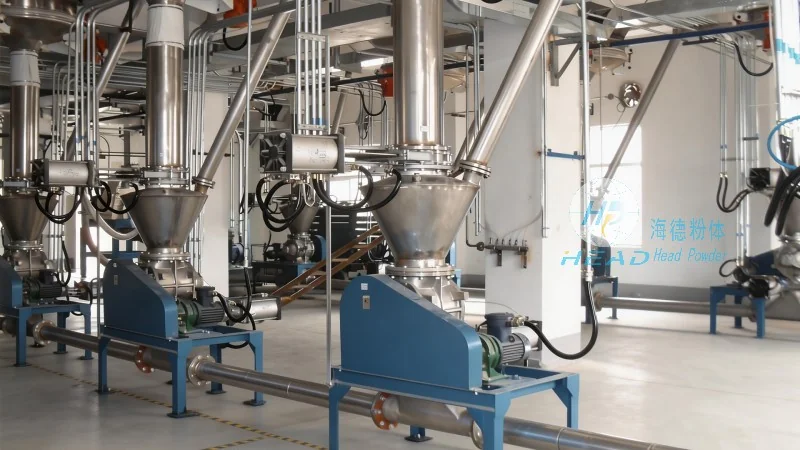
Applications of Sugar Conveying Systems
Sugar conveying systems are used in a wide range of applications within the sugar industry. These include transporting raw sugar from storage silos to processing plants, moving refined sugar from refining units to packaging lines, and conveying sugar products to storage or distribution facilities. In addition, pneumatic conveying is often used in the handling of sugar by-products, such as molasses or bagasse, which require efficient and hygienic transport. The versatility of these systems makes them suitable for both large-scale industrial operations and smaller processing facilities, providing a cost-effective solution for sugar handling needs.
Conclusion
As the sugar industry continues to evolve, the importance of efficient and reliable sugar conveying systems cannot be overstated. Pneumatic conveying, with its numerous advantages over traditional mechanical systems, has become a preferred method for many sugar processing facilities. By leveraging advanced technology and materials, these systems ensure the safe, clean, and efficient transport of sugar, contributing to improved operational performance and product quality. For companies in the sugar industry, investing in a well-designed pneumatic conveying system is a strategic decision that can enhance competitiveness and meet the demands of modern sugar processing.