

Technical Analysis of Resin Pellet Pneumatic Conveying Systems: Comparison of Positive Pressure and
Resin pellet pneumatic conveying systems are critical in industrial applications for transporting bulk materials efficiently. The choice between positive pressure and negative pressure modes significantly impacts system performance, cost, and operational safety. This article provides a technical analysis of these two primary modes, offering insights into their respective advantages and considerations.
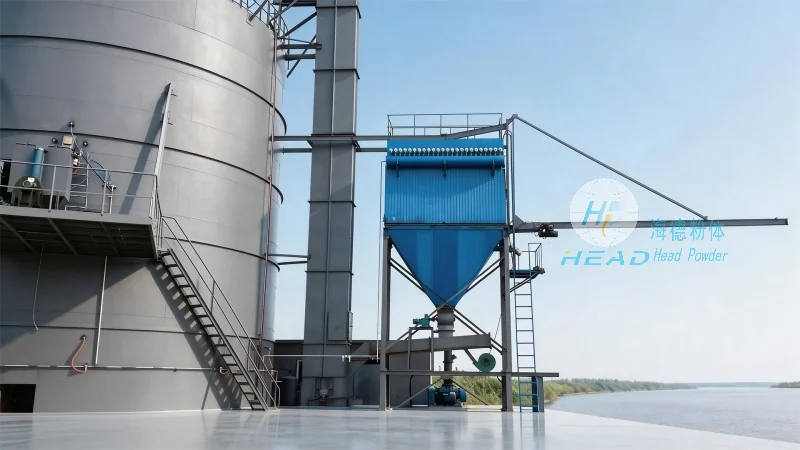
Introduction to Resin Pellet Pneumatic Conveying Systems
Resin pellets, commonly used in the manufacturing of plastics and other synthetic materials, require reliable and efficient transportation from storage to processing units. Pneumatic conveying systems utilize air or gas to move these granular materials, eliminating the need for mechanical components like belts or screws. The two main operational modes—positive pressure and negative pressure—differ in how they generate the necessary airflow and material movement, each with distinct characteristics that influence system design and performance.
Positive Pressure Pneumatic Conveying Mode
Positive pressure systems operate by blowing air or gas into the conveying line, creating a pressure higher than the ambient air pressure. This method propels the resin pellets forward through the pipeline. A key feature of positive pressure systems is their ability to handle a wide range of material properties, including abrasive or corrosive pellets, as the material is continuously suspended in the air stream. The system typically includes a blower or compressor at the inlet, which supplies the necessary pressure to move the material. Positive pressure conveyors are often preferred for long-distance or high-capacity applications due to their consistent performance and ability to handle challenging materials.
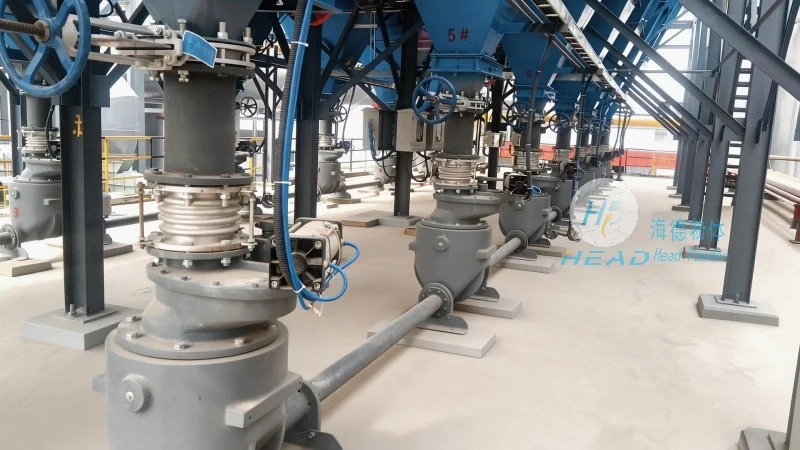
Negative Pressure Pneumatic Conveying Mode
Negative pressure systems, also known as vacuum or suction systems, work by creating a lower pressure inside the conveying line compared to the ambient environment. This pressure differential draws the resin pellets into the system, where they are then carried by the air stream to the destination. Negative pressure conveyors are generally more suitable for short-distance or low-capacity applications, as the suction power may be limited by the system's ability to maintain a consistent vacuum. They are often used in applications where dust control is a priority, as the system draws material from a closed or sealed hopper, reducing airborne emissions. However, negative pressure systems may struggle with handling highly abrasive or sticky pellets, as the vacuum can sometimes lead to material buildup or blockages in the suction line.
Comparison of Positive and Negative Pressure Modes
When evaluating resin pellet pneumatic conveying systems, several factors must be considered to determine the most suitable mode. Positive pressure systems excel in high-capacity, long-distance transport and are more robust against material variability, making them ideal for industrial-scale operations. They also offer better control over material flow and can handle more complex system configurations, such as multiple transfer points or vertical lifts. Conversely, negative pressure systems are advantageous in applications requiring minimal dust generation and where the material is stored in sealed containers. They are often more cost-effective for short distances and lower material volumes, as they do not require high-pressure blowers or compressors. However, negative pressure systems may have limitations in terms of material handling, particularly for abrasive or sticky pellets, and can be more prone to system inefficiencies if not properly maintained.
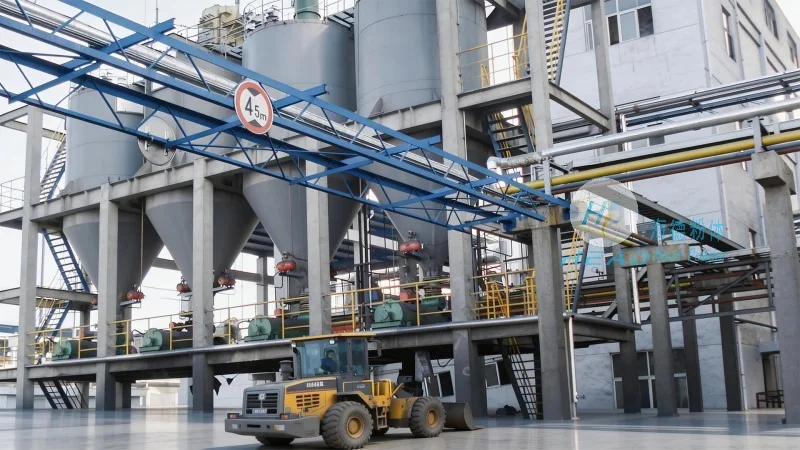
Key Considerations for System Design and Implementation
Both positive and negative pressure pneumatic conveying systems require careful consideration of several technical and operational factors. Material properties, such as particle size, density, and moisture content, play a critical role in determining the appropriate mode. For example, resin pellets with high abrasiveness may benefit from the continuous air suspension provided by positive pressure systems, while those with low dust generation requirements might suit negative pressure systems. System layout and distance between the source and destination are also crucial; positive pressure systems are generally more suitable for longer distances due to their higher pressure capabilities, whereas negative pressure systems are better for shorter runs. Additionally, the cost of equipment, including blowers, compressors, and vacuum pumps, must be evaluated, as positive pressure systems often require more powerful and expensive air-moving equipment. Maintenance considerations, such as the need for regular filter changes and system cleaning, are also important, as both modes can accumulate material or dust over time, potentially affecting performance and longevity.
Conclusion
The choice between positive pressure and negative pressure pneumatic conveying modes for resin pellets depends on specific application requirements, including material characteristics, transport distance, and operational constraints. Positive pressure systems offer robustness and high capacity, making them suitable for industrial-scale operations, while negative pressure systems provide advantages in dust control and cost-effectiveness for shorter, lower-capacity applications. Understanding the technical differences and performance characteristics of each mode is essential for selecting the most efficient and reliable system. Companies like Shandong HeadPowder Engineering Co., Ltd., with expertise in pneumatic conveying technology, can provide tailored solutions to meet the unique needs of resin pellet transportation in various industrial settings.