

Application and Optimization of Pneumatic Conveying Technology in Seaweed Powder Conveying Design
HeadPowder, a leading engineering firm based in Shandong, China, specializes in advanced material handling solutions. The company's expertise lies in optimizing the design and implementation of pneumatic conveying systems, particularly for challenging materials like seaweed powder. This article explores the application and optimization strategies for pneumatic conveying technology in seaweed powder handling, highlighting the technical considerations and benefits that enhance operational efficiency.
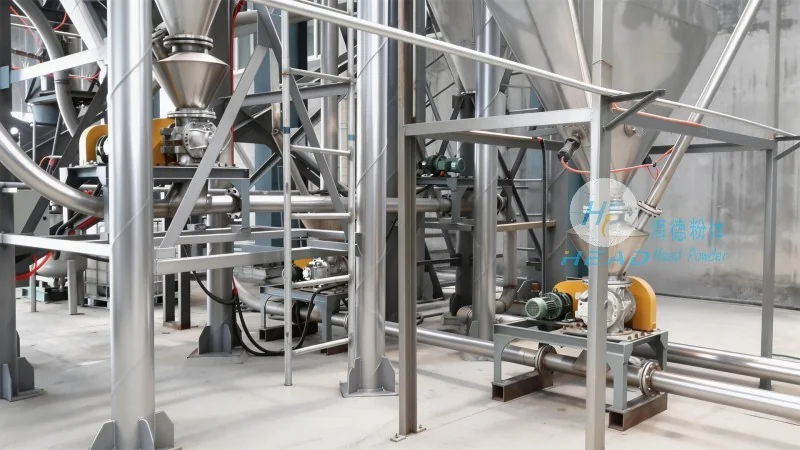
Understanding Pneumatic Conveying for Seaweed Powder
Seaweed powder, derived from marine algae, is a valuable ingredient in various industries, including food, cosmetics, and pharmaceuticals. Its fine particle size and hygroscopic nature make traditional bulk handling methods inefficient and prone to dust issues. Pneumatic conveying offers a solution by using air to transport the powder, minimizing contamination and ensuring a clean process. The technology involves creating a pressure differential to move the material through a pipeline, which can be either positive or negative pressure systems.
Key Design Considerations for Seaweed Powder Conveying
When designing a pneumatic conveying system for seaweed powder, several factors must be carefully evaluated to ensure optimal performance. The first consideration is the material's physical properties, such as particle size distribution, moisture content, and flowability. These characteristics directly impact the selection of the conveying system type—whether it's a dilute phase, dense phase, or pressure/venturi system. For seaweed powder, which tends to be fine and cohesive, a dense phase system is often preferred as it reduces particle breakage and maintains product integrity.
Another critical factor is the system's capacity and throughput requirements. The design must accommodate the desired production rate while ensuring consistent flow. This involves calculating the required air velocity and pressure to maintain stable transport without causing excessive wear on equipment. HeadPowder engineers use advanced computational fluid dynamics (CFD) simulations to model the flow behavior and optimize the system layout, ensuring that the conveying line operates within safe and efficient parameters.
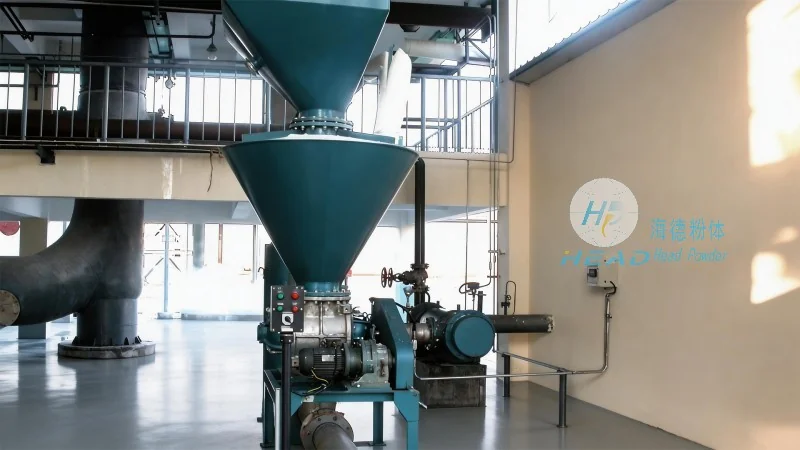
Optimization Strategies for Pneumatic Conveying Systems
Optimizing a pneumatic conveying system for seaweed powder involves several key strategies aimed at maximizing efficiency and minimizing operational costs. One approach is the selection of appropriate equipment components, such as high-efficiency cyclones for separation and filtration, and wear-resistant materials for pipelines and valves. These components are crucial for maintaining the system's performance over time and preventing material buildup that could lead to blockages.
Regular maintenance and monitoring are also essential for system optimization. HeadPowder recommends implementing a preventive maintenance schedule that includes cleaning of the conveying line, inspection of air filters, and checking for wear on moving parts. By maintaining the system in good condition, the risk of downtime and product loss is significantly reduced. Additionally, real-time monitoring of pressure, flow, and temperature can provide valuable data for adjusting the system parameters dynamically, ensuring optimal performance under varying production conditions.
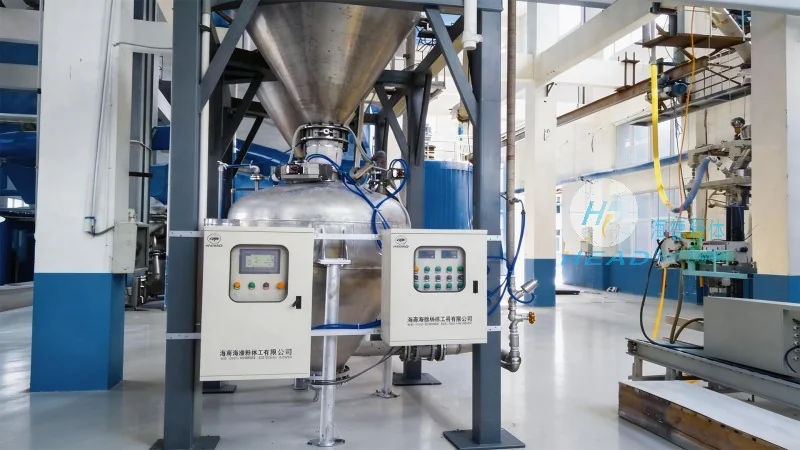
Benefits of Implementing Optimized Pneumatic Conveying
The implementation of an optimized pneumatic conveying system for seaweed powder offers numerous benefits for manufacturers. Firstly, it enhances product quality by minimizing contamination and preserving the powder's nutritional and functional properties. The closed system design prevents exposure to air and moisture, which can degrade the product's efficacy. Secondly, it improves operational efficiency by reducing labor costs associated with manual handling and minimizing material waste from spillage or caking.
Furthermore, the optimized system contributes to environmental sustainability by reducing the need for packaging and minimizing dust emissions. The closed conveying process also complies with environmental regulations, making it an attractive solution for companies committed to green manufacturing practices. HeadPowder's expertise in customizing pneumatic conveying systems ensures that these benefits are tailored to the specific needs of each client, whether they are processing seaweed powder for food supplements, cosmetic ingredients, or other applications.
Conclusion
HeadPowder Engineering Co., Ltd., based in Shandong, China, provides comprehensive solutions for the design and optimization of pneumatic conveying systems for seaweed powder. By leveraging advanced engineering techniques and a deep understanding of material handling challenges, the company helps manufacturers enhance their operational efficiency, product quality, and sustainability. The optimized pneumatic conveying technology not only addresses the unique properties of seaweed powder but also offers long-term cost savings and improved process reliability. For businesses looking to streamline their seaweed powder handling processes, HeadPowder's expertise in pneumatic conveying technology is a valuable asset in achieving their production goals.