

Application and Optimization of Pneumatic Conveying Technology in Glass Powder Conveying Design
When it comes to transporting glass powder efficiently and safely, pneumatic conveying technology has emerged as a superior solution in modern material handling systems. The application of this technology in glass powder conveying design represents a significant advancement in how industrial processes manage fine, abrasive materials. This approach not only enhances operational efficiency but also ensures product integrity throughout the transportation process.
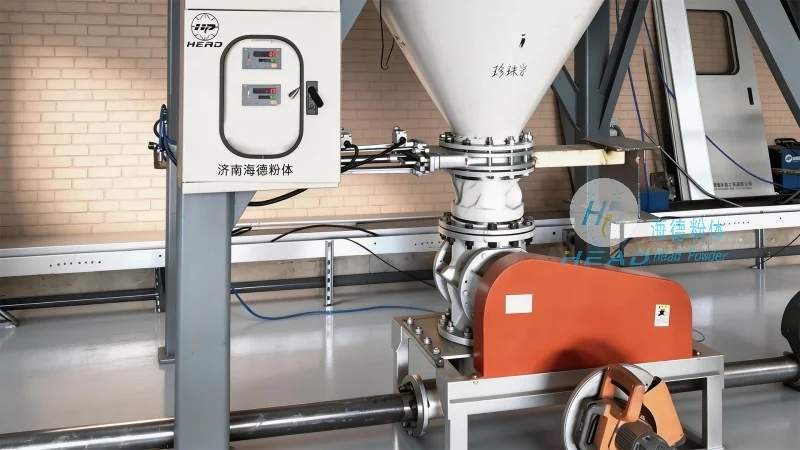
Key Challenges in Traditional Glass Powder Conveying Methods
Historically, glass powder has been transported using methods such as bucket elevators or belt conveyors. However, these conventional systems often face challenges including material degradation, equipment wear, and limited flexibility in handling varying particle sizes. The abrasive nature of glass powder can lead to increased maintenance costs and downtime, making it essential to explore more advanced conveying solutions. Pneumatic conveying addresses these issues by utilizing air as the medium for material transport, offering a more controlled and efficient method.
How Pneumatic Conveying Works in Glass Powder Applications
Pneumatic conveying systems operate by creating a pressure differential or using vacuum to move glass powder through a pipeline. There are primarily two types: pressure and vacuum systems. In pressure systems, compressed air pushes the material through the line, while vacuum systems draw the material using a suction mechanism. For glass powder, pressure systems are often preferred due to their ability to handle higher material loads and maintain consistent flow rates. The design of the conveying system, including the selection of appropriate duct sizes, air velocity, and material feed mechanisms, is critical to achieving optimal performance.
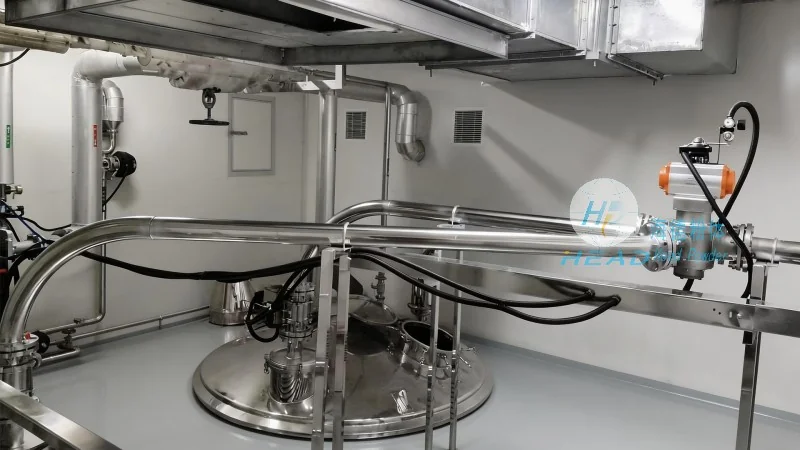
Optimization Strategies for Glass Powder Conveying Systems
Optimizing pneumatic conveying for glass powder involves several key strategies. First, the selection of the right air velocity is crucial. Excessive velocity can cause particle attrition and equipment wear, while insufficient velocity may lead to blockages. Engineers typically aim for velocities between 20-30 meters per second to balance efficiency and material protection. Second, the design of the material feed system is vital. Proper feeding, such as using rotary valves or feeders, ensures a consistent flow and prevents air leakage or material buildup at the inlet. Third, system layout and pipeline design play a significant role. Minimizing bends and maintaining straight runs reduces pressure losses and energy consumption. Additionally, incorporating cleaning mechanisms and monitoring systems helps maintain system performance over time.
HeadPowder's Expertise in Glass Powder Conveying Solutions
Shandong HeadPowder Engineering Co., Ltd. specializes in providing customized pneumatic conveying solutions tailored to the unique requirements of glass powder handling. With years of experience in the industry, HeadPowder understands the specific challenges associated with glass powder, such as its abrasive properties and the need for dust control. The company's team of engineers designs systems that incorporate advanced features like variable speed drives, pressure sensors, and automated control systems to enhance operational efficiency and reduce maintenance needs.
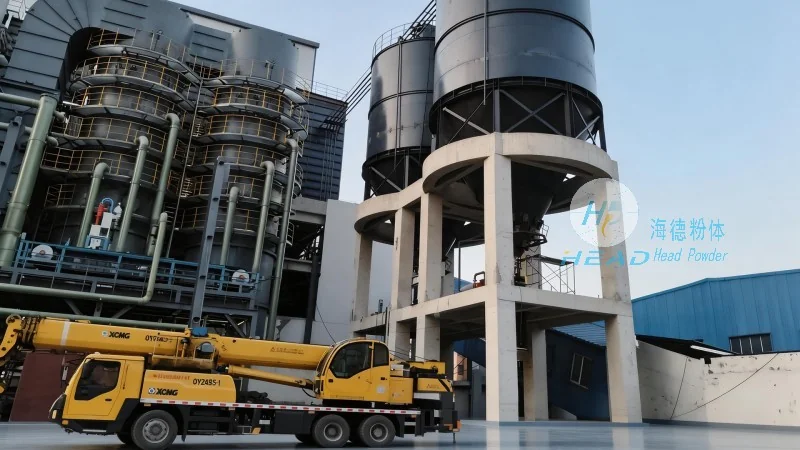
Key Features of HeadPowder's Conveying Systems
HeadPowder's glass powder conveying systems are equipped with several features that set them apart in the market. These include high-efficiency air compressors that minimize energy consumption, durable materials of construction to withstand the abrasive nature of glass powder, and integrated dust collection systems to ensure compliance with environmental regulations. The systems are also designed for easy maintenance, with accessible components and clear operational indicators. Furthermore, HeadPowder offers comprehensive support services, including system installation, commissioning, and ongoing maintenance, ensuring that clients receive long-term value from their investment.
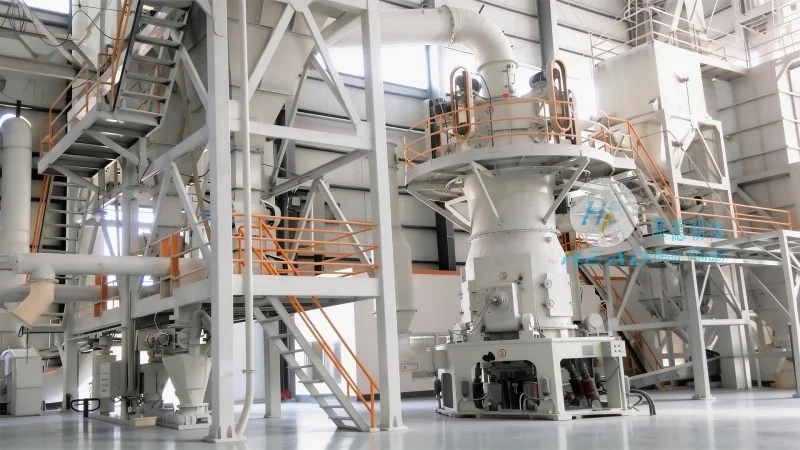
Benefits of Implementing Pneumatic Conveying for Glass Powder
The adoption of pneumatic conveying technology in glass powder handling brings numerous benefits. From a cost perspective, these systems reduce labor and maintenance expenses by minimizing equipment wear and downtime. Operationally, they offer greater flexibility in handling varying material volumes and types. Environmentally, the enclosed nature of pneumatic systems prevents dust emissions, contributing to a cleaner workplace and compliance with environmental standards. Additionally, the technology allows for seamless integration with other industrial processes, such as mixing and packaging, creating a more streamlined production line.
Conclusion: The Future of Glass Powder Conveying with Pneumatic Technology
As industrial processes continue to evolve, the application and optimization of pneumatic conveying technology in glass powder handling remain critical for maintaining efficiency and product quality. Companies like Shandong HeadPowder Engineering Co., Ltd. play a vital role in advancing this technology by providing innovative, customized solutions that address the unique challenges of glass powder. By leveraging the benefits of pneumatic conveying, manufacturers can enhance their operational performance, reduce costs, and ensure compliance with industry standards. The future of glass powder conveying lies in continued innovation and optimization, and with the expertise of companies like HeadPowder, this future is increasingly within reach.