

Application and Optimization of Pneumatic Conveying Technology in Sulfur Powder Handling Design
Sulfur powder, a critical raw material in various industrial applications such as chemical manufacturing, fertilizer production, and pharmaceutical processing, requires efficient and reliable handling solutions to ensure process continuity and product quality. Traditional methods like belt conveyors or manual handling often face challenges like dust generation, material degradation, and operational inefficiencies. Pneumatic conveying technology has emerged as a superior alternative, offering advantages in dust control, material protection, and automated operation. This article explores the application and optimization of pneumatic conveying systems specifically tailored for sulfur powder handling, highlighting the expertise of Shandong HeadPowder Engineering Co., Ltd. (referred to as HeadPowder) in designing and implementing effective solutions.
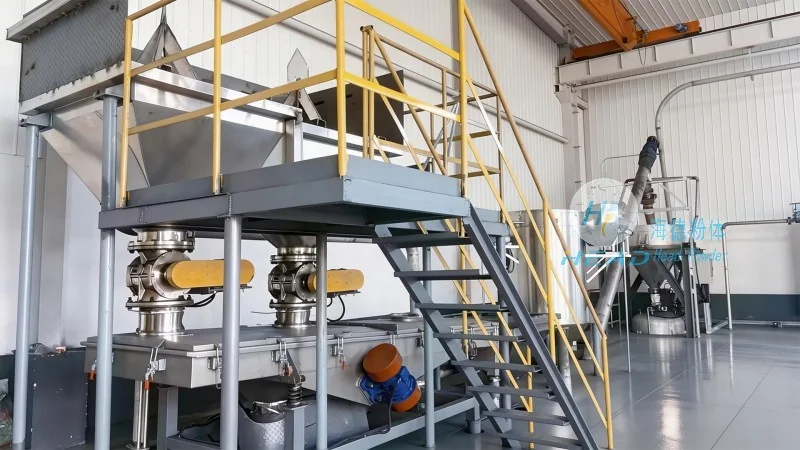
Key Challenges in Sulfur Powder Handling and Conveying
Handling sulfur powder presents unique challenges due to its physical and chemical properties. Sulfur is a fine, dry powder that is prone to static electricity, which can cause dust accumulation and equipment damage. Additionally, sulfur powder is often sensitive to moisture and temperature fluctuations, requiring controlled environments to maintain its quality. Conventional bulk material handling methods may lead to material segregation, loss of product, and increased maintenance costs. Pneumatic conveying systems address these challenges by using air to transport the powder in a sealed, controlled environment, minimizing exposure to external factors and ensuring consistent material flow.
HeadPowder's Expertise in Pneumatic Conveying Solutions
Shandong HeadPowder Engineering Co., Ltd. specializes in the design, manufacturing, and integration of pneumatic conveying systems tailored to the specific needs of sulfur powder handling. With years of experience in the industry, HeadPowder understands the critical requirements for handling sulfur, including the need for low pressure, high efficiency, and robust system design. The company's team of engineers and technicians work closely with clients to assess their operational needs, material characteristics, and process constraints, ensuring that the final solution is optimized for performance and reliability.
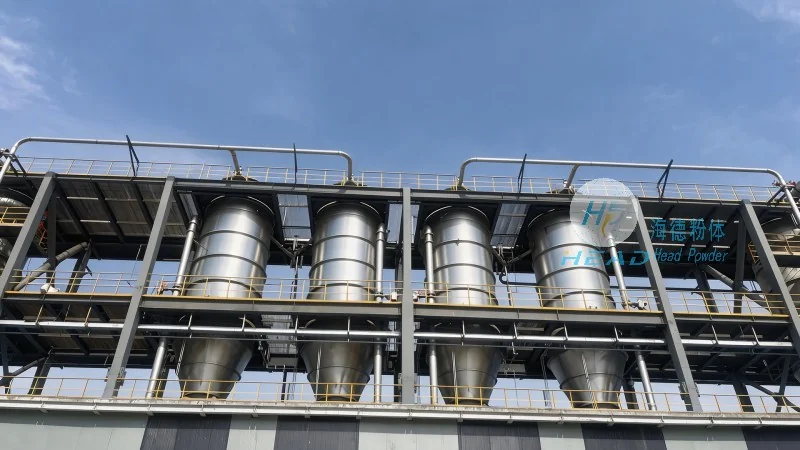
Design Considerations for Sulfur Powder Pneumatic Conveying Systems
The design of a pneumatic conveying system for sulfur powder involves several key considerations to ensure optimal performance. First, the system must be designed to handle the specific flow rate and particle size distribution of the sulfur powder. HeadPowder uses advanced computational fluid dynamics (CFD) and material flow analysis to model the behavior of sulfur powder in the conveying system, allowing for precise design of components such as hoppers, feeders, and pipelines. Second, the system must incorporate effective dust control measures to prevent environmental contamination and ensure worker safety. This includes the use of sealed containers, filtration systems, and proper ventilation. Third, the system must be constructed from materials that are compatible with sulfur powder, such as stainless steel or specialized coatings, to prevent corrosion and material degradation. HeadPowder's engineers consider all these factors to develop a system that meets the highest standards of efficiency, safety, and durability.
Optimization Strategies for Pneumatic Conveying Performance
Optimizing the performance of a pneumatic conveying system for sulfur powder involves several strategies to maximize efficiency and minimize operational costs. One key strategy is the selection of the appropriate conveying method, such as dilute phase or dense phase, based on the material characteristics and distance of transport. Dilute phase systems are suitable for short to medium distances and low to medium flow rates, while dense phase systems are ideal for longer distances and higher flow rates. HeadPowder's engineers recommend the use of a combination of both methods in some applications to achieve the best balance of efficiency and cost. Another optimization strategy is the use of variable speed drives and pressure control systems to adjust the conveying speed based on the material flow rate, reducing energy consumption and preventing system overload. Additionally, regular maintenance and monitoring of the system components, such as filters and pumps, are essential to ensure long-term performance and reliability.
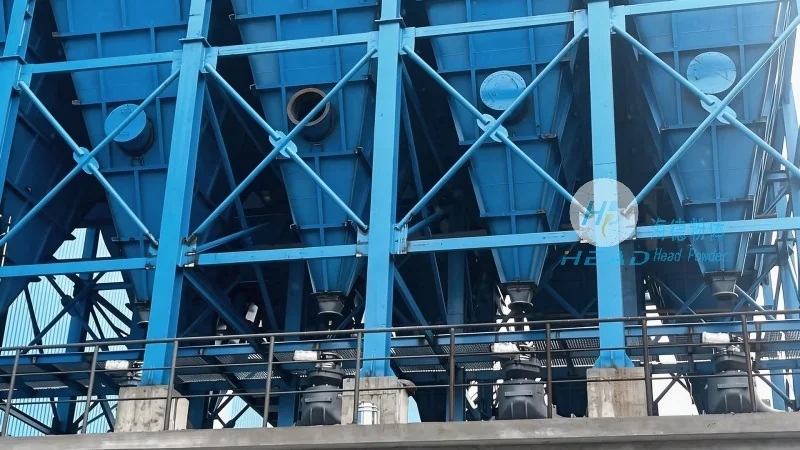
Case Study: Successful Implementation of Pneumatic Conveying in Sulfur Powder Handling
A recent project by HeadPowder involved the installation of a pneumatic conveying system for a chemical manufacturing plant in China. The plant required the transport of sulfur powder from storage silos to a processing unit over a distance of 100 meters. The existing system was experiencing frequent blockages and dust emissions, leading to production downtime and safety concerns. HeadPowder's team conducted a thorough analysis of the plant's operational needs and material characteristics, and designed a custom dilute phase pneumatic conveying system with a stainless steel pipeline and a high-efficiency filtration system. The system was installed and commissioned within a short timeframe, and the results were immediate. The plant reported a 90% reduction in dust emissions, a 50% increase in production capacity, and a significant reduction in maintenance costs. This case study demonstrates the effectiveness of HeadPowder's pneumatic conveying solutions in improving operational efficiency and safety in sulfur powder handling applications.
Conclusion and Future Trends in Pneumatic Conveying for Sulfur Powder
Pneumatic conveying technology continues to be a vital solution for the efficient and safe handling of sulfur powder in various industrial applications. As the demand for sulfur-based products grows, the need for advanced and optimized conveying systems becomes increasingly important. Shandong HeadPowder Engineering Co., Ltd. remains at the forefront of this technology, providing customized solutions that address the unique challenges of sulfur powder handling. By leveraging advanced design techniques, material compatibility considerations, and optimization strategies, HeadPowder ensures that its clients achieve the highest levels of performance, safety, and cost-effectiveness in their sulfur powder handling operations. The future of pneumatic conveying for sulfur powder lies in continuous innovation and integration of new technologies, and HeadPowder is committed to staying at the cutting edge of this field to meet the evolving needs of its clients.