

Technical Parameters and Conveying System Technology for Dust
When dealing with dust in industrial processes, it is essential to understand its technical characteristics and the appropriate conveying system technology. This overview from Shandong HeadPowder Engineering Co., Ltd. outlines the critical aspects that influence the design and implementation of effective dust handling solutions. The company, based in Shandong, China, specializes in engineering solutions tailored to meet the diverse needs of industrial clients.
Key Technical Parameters of Dust
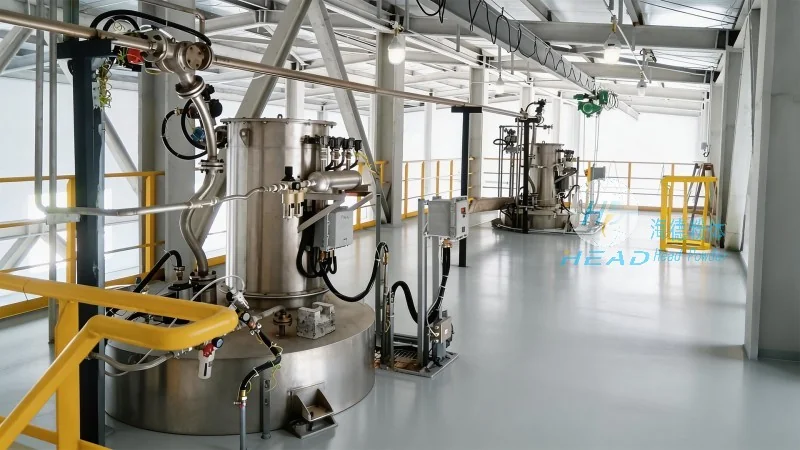
Dust characteristics play a vital role in determining the most suitable conveying method. Several key parameters need to be considered, including particle size distribution, bulk density, moisture content, and chemical composition. Particle size, for instance, affects the air velocity required for efficient gas-solid separation in pneumatic conveying systems. Bulk density impacts the flow rate and pressure drop across the system, while moisture content can influence the dust's agglomeration tendency, which may affect system performance and maintenance.
Conveying System Types and Their Applications
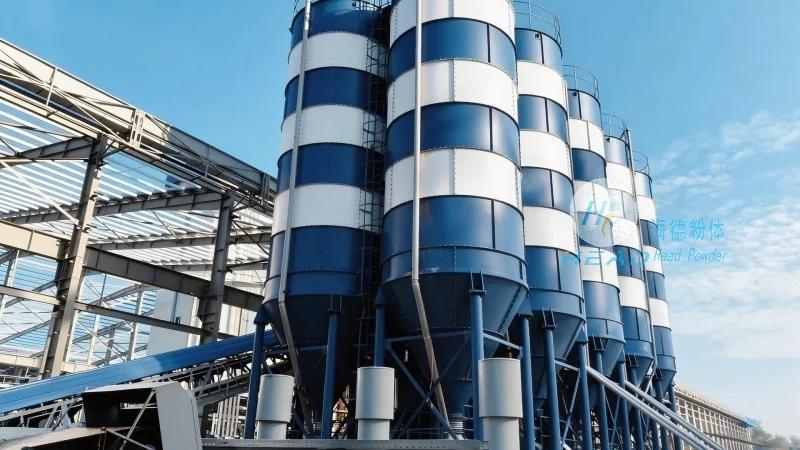
Various conveying systems are available, each with specific applications based on the dust characteristics and operational requirements. Pneumatic conveying systems, which use air to transport dust, are widely used for fine powders and granules. These systems can be classified into pressure and vacuum types, with pressure systems typically used for long-distance or high-capacity transport. Mechanical conveying systems, such as screw conveyors and belt conveyors, are suitable for bulkier materials and are often preferred in environments where air quality is a concern. The choice of system depends on factors like material properties, distance, and the need for containment.
Design Considerations for Efficient Dust Conveying
The design of a dust conveying system involves several critical considerations to ensure optimal performance and reliability. System layout and component selection are paramount. For example, the selection of air filters and cyclones is crucial for maintaining air quality and preventing dust accumulation. The design must also account for the potential for dust explosion hazards, requiring the implementation of explosion-proof measures and proper venting systems. Additionally, the integration of control systems to monitor pressure, flow, and temperature helps in maintaining the system's efficiency and safety.
Case Studies and Practical Applications
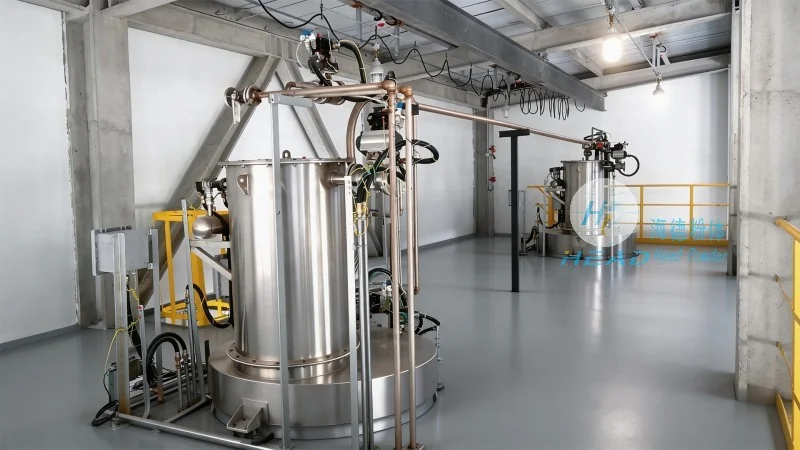
Shandong HeadPowder Engineering Co., Ltd. has successfully implemented dust conveying systems in various industrial sectors, including chemical, pharmaceutical, and food processing. These applications demonstrate the effectiveness of tailored solutions that consider the specific technical parameters of the dust and the operational environment. For instance, in a chemical plant, a pneumatic conveying system was designed to transport fine powders over a distance of 500 meters, achieving a stable flow rate and minimal material loss. In another case, a mechanical conveyor was installed in a food processing facility to handle bulk ingredients, ensuring compliance with hygiene standards and efficient material handling.
Conclusion and Future Trends
Efficient dust handling and conveying systems are essential for maintaining operational efficiency and safety in industrial processes. By understanding the technical parameters of dust and selecting the appropriate conveying technology, companies can optimize their processes and reduce operational costs. Shandong HeadPowder Engineering Co., Ltd. continues to innovate and provide customized solutions that meet the evolving needs of the industry, ensuring reliable and effective dust management.