

Types, Features, and Applications of Acrylic Ester Rubber Pneumatic Conveying Systems
Shandong HeadPowder Engineering Co., Ltd., a leading manufacturer based in China, specializes in the design and production of advanced pneumatic conveying systems utilizing acrylic ester rubber components. This material is renowned for its exceptional performance in handling various powders and granules, making it a preferred choice in industries requiring reliable and efficient material transport solutions.

Types of Acrylic Ester Rubber Pneumatic Conveying Systems
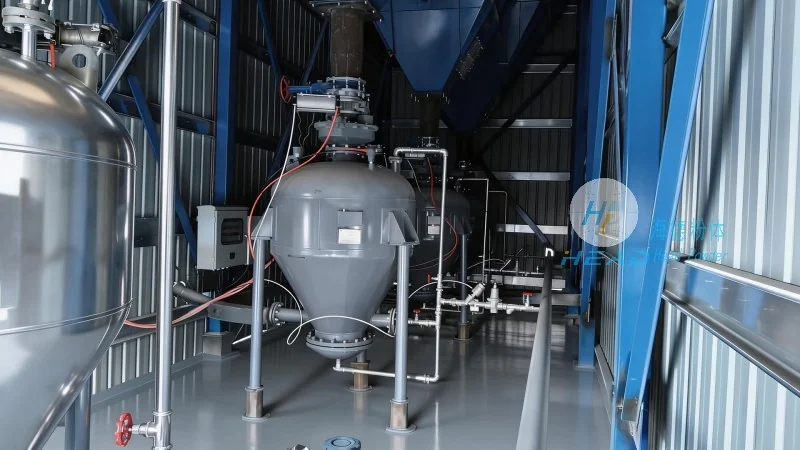
Acrylic ester rubber pneumatic conveying systems are available in several configurations to suit diverse operational needs. The primary types include positive pressure systems, negative pressure systems, and hybrid systems. Positive pressure systems force air through the material, ensuring consistent flow and minimal product degradation. Negative pressure systems, on the other hand, draw material into the system using suction, which is ideal for applications where dust control is critical. Hybrid systems combine both positive and negative pressure elements, offering flexibility in handling different materials and process requirements. Each type is engineered to optimize efficiency, energy consumption, and material integrity, catering to specific industrial applications.
Key Features of Acrylic Ester Rubber Pneumatic Conveying Systems
The acrylic ester rubber used in these systems offers several advantages that enhance performance and longevity. First, it exhibits excellent resistance to abrasion, ensuring durability even with abrasive powders. Second, the material is highly resistant to chemical corrosion, making it suitable for conveying materials that may be chemically reactive. Third, acrylic ester rubber maintains its flexibility over a wide temperature range, from low temperatures to high processing temperatures, ensuring consistent performance under varying conditions. Additionally, the material is non-stick, preventing material buildup and reducing maintenance needs. These features collectively contribute to the reliability and efficiency of the pneumatic conveying systems, reducing downtime and operational costs for users.
Applications and Industries Served by Acrylic Ester Rubber Pneumatic Conveying Systems
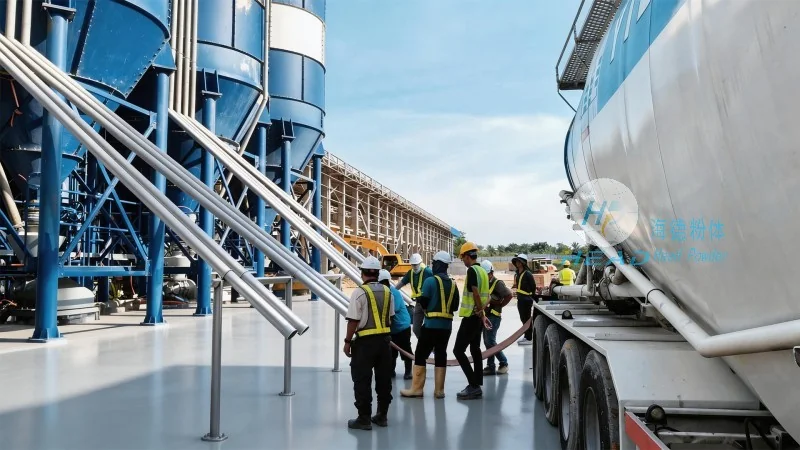
Acrylic ester rubber pneumatic conveying systems are widely used across various industries due to their versatility and adaptability. In the pharmaceutical industry, these systems are employed for the transport of active pharmaceutical ingredients (APIs) and other sensitive powders, where contamination control and material integrity are paramount. The food and beverage industry utilizes them for conveying ingredients such as flour, sugar, and spices, ensuring hygienic and efficient processing. The chemical industry benefits from these systems when handling corrosive or abrasive powders, as the rubber components resist degradation and maintain system performance. Additionally, in the mining and mineral processing sectors, acrylic ester rubber pneumatic conveying systems are used to transport ore and other bulk materials, improving operational efficiency and reducing labor costs. The systems are also applicable in the agricultural sector for handling seeds, fertilizers, and other agricultural products, supporting sustainable farming practices. Overall, the broad application range of acrylic ester rubber pneumatic conveying systems makes them a valuable asset in modern industrial operations.