

Application and Optimization of Pneumatic Conveying Technology in Polytrifluorochloroethylene (PCTFE
Polytrifluorochloroethylene (PCTFE), a specialized fluoropolymer known for its exceptional chemical resistance, low dielectric constant, and high thermal stability, presents unique challenges in material handling. Traditional bulk material transport methods often struggle with PCTFE's low bulk density and tendency to generate static electricity, which can lead to material degradation or operational inefficiencies. Pneumatic conveying technology offers a reliable solution by utilizing air or gas to transport PCTFE particles through a closed system, ensuring safe, efficient, and controlled movement from storage to processing or packaging stages.
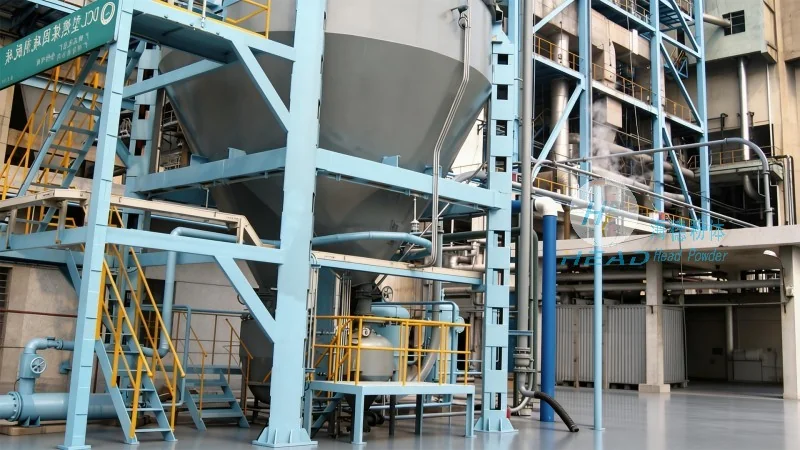
The Role of HeadPowder in Optimizing PCTFE Material Transport
Shandong HeadPowder Engineering Co., Ltd., a leading provider of bulk material handling solutions, specializes in designing and implementing pneumatic conveying systems tailored to the demands of PCTFE processing. With a focus on precision engineering and process optimization, HeadPowder leverages decades of industry experience to deliver customized solutions that address the specific challenges of PCTFE material handling. The company's approach integrates advanced system design, material compatibility analysis, and operational efficiency strategies to ensure optimal performance and minimal downtime.
Key Features of PCTFE Pneumatic Conveying Systems
PCTFE pneumatic conveying systems developed by HeadPowder are engineered with several critical features to ensure reliable operation. These include:
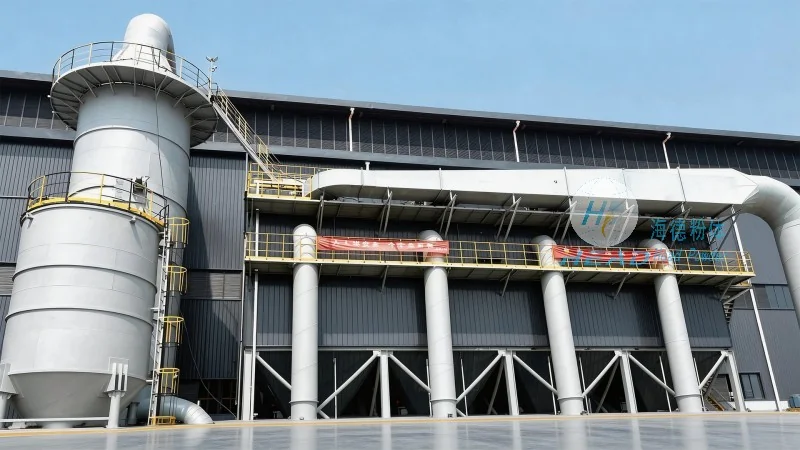
- High-Precision Airflow Control: Advanced control systems regulate air pressure and flow rates to maintain consistent material transport velocity, preventing material degradation or blockages.
- Static Elimination and Charge Management: Specialized components, such as ionizers and grounding systems, are integrated to mitigate static electricity buildup, which is crucial for PCTFE's sensitivity to electrical discharge.
- Material Compatibility Materials: System components, including hoppers, pipelines, and valves, are constructed from materials like PTFE, stainless steel, or specialized alloys that resist chemical attack from PCTFE and its processing byproducts.
- Modular and Scalable Design: Systems can be customized to accommodate varying PCTFE feed rates, from small-scale laboratory applications to large industrial production lines, with easy integration into existing production workflows.
Application Scenarios and System Design Considerations
HeadPowder's PCTFE pneumatic conveying solutions are applicable across a range of industrial processes, including:
- Raw Material Transfer: Moving PCTFE from storage silos or bulk containers to processing equipment, ensuring a continuous and controlled feed.
- Intermediate Product Handling: Transporting PCTFE pellets or powders between processing stages, such as drying, grinding, or compounding, without exposing the material to contaminants or environmental factors.
- Packaging and Distribution: Conveying PCTFE to packaging lines or storage facilities, maintaining product integrity and preventing cross-contamination with other materials.
System design for PCTFE applications requires careful consideration of several factors:
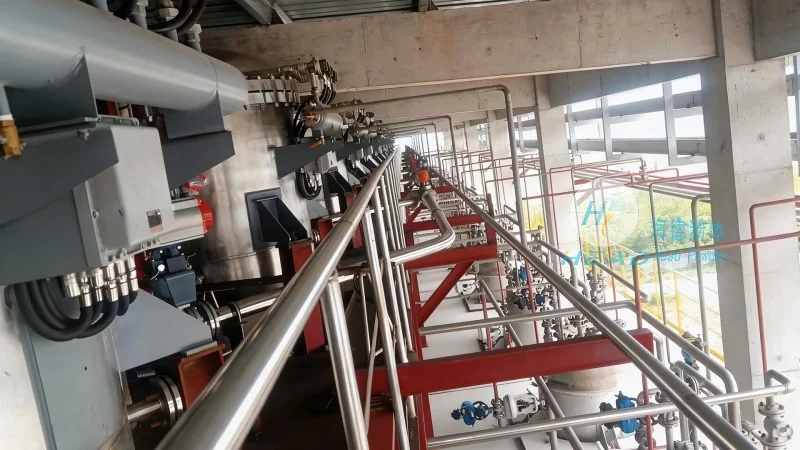
- Particle Size and Flowability: PCTFE particles vary in size and can be prone to agglomeration. System design must account for these characteristics to ensure smooth transport and prevent blockages.
- Temperature Control: PCTFE processing often involves temperature-sensitive operations. Conveying systems must maintain appropriate temperature ranges to avoid material degradation or equipment damage.
- System Integration: Seamless integration with existing production lines, including upstream and downstream equipment, is critical to minimize operational disruptions and maximize efficiency.
Benefits and Advantages of Optimized PCTFE Conveying Solutions
Implementing an optimized pneumatic conveying system for PCTFE material handling offers numerous advantages for industrial operations:
- Enhanced Safety: By eliminating manual handling of PCTFE powders and pellets, the risk of respiratory exposure or material contamination is significantly reduced, improving workplace safety.
- Improved Efficiency: Automated, continuous material transport reduces labor costs and minimizes downtime, leading to increased production throughput and lower operational costs.
- Consistent Product Quality: Precise control over airflow and material flow rates ensures consistent product quality, meeting stringent industry standards for PCTFE applications.
- Reduced Material Loss and Contamination: Closed-system pneumatic conveying minimizes material loss and exposure to external contaminants, preserving the purity and integrity of PCTFE products.
Conclusion
In conclusion, the application and optimization of pneumatic conveying technology in PCTFE material handling represent a critical advancement in industrial material transport. By leveraging specialized engineering expertise and tailored system design, companies like Shandong HeadPowder Engineering Co., Ltd. enable efficient, safe, and reliable PCTFE processing, supporting the demands of modern manufacturing and ensuring product quality and operational excellence.