

Dry Desulfurizer Pneumatic Conveying: Choosing Positive Pressure vs. Negative Pressure - How to Dist
Dry desulfurizer is a critical component in modern power plants and industrial facilities, responsible for removing sulfur dioxide from flue gas to meet environmental regulations. The efficient and reliable transport of desulfurizer materials is essential for the overall performance of the desulfurization system. Pneumatic conveying is a widely adopted method for transporting these materials, offering advantages such as low maintenance, flexibility, and the ability to handle abrasive or corrosive materials. However, the choice between positive pressure and negative pressure systems can significantly impact operational efficiency, safety, and cost. This article explores the key factors to consider when selecting between positive pressure and negative pressure for dry desulfurizer pneumatic conveying, providing a clear guide on how to distinguish between the two approaches.
Understanding Pneumatic Conveying Systems
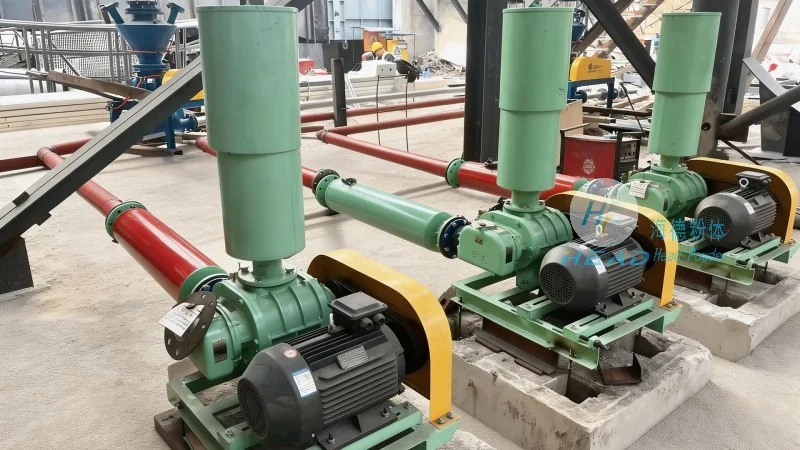
Pneumatic conveying systems use air or gas to transport bulk materials through a pipeline. The two primary types are positive pressure and negative pressure systems, each with distinct operating principles and applications. Positive pressure systems force air and material through the pipeline using a blower or compressor. The pressure inside the pipeline is higher than the ambient air pressure, which helps to move the material forward. This method is particularly suitable for conveying materials over longer distances or in complex layouts, as the positive pressure can overcome friction and elevation changes. The main advantages of positive pressure systems include high conveying capacity, ability to handle abrasive materials, and reduced risk of dust leakage compared to negative pressure systems. However, they require more robust equipment, such as high-pressure blowers, and may generate more noise and require additional filtration to control emissions.
Negative Pressure Pneumatic Conveying
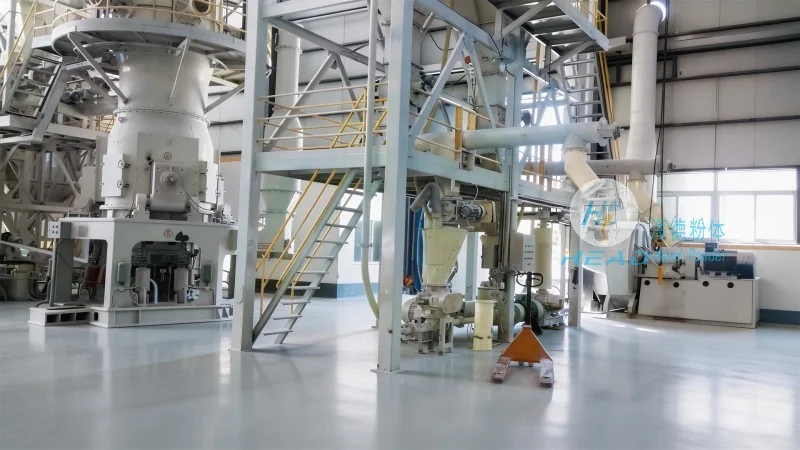
Negative pressure systems, also known as vacuum conveying, draw material into the system using a vacuum pump. The pressure inside the pipeline is lower than the ambient air pressure, creating a suction effect that pulls the material through the pipeline. This method is ideal for applications where dust control is a priority, as the system is sealed and prevents dust from escaping into the environment. Negative pressure systems are commonly used for short to medium conveying distances and for materials that are sensitive to pressure or temperature changes. The main advantages include lower equipment costs, reduced noise levels, and better dust containment. However, they have limitations in conveying capacity and distance, as the vacuum pressure may not be sufficient to overcome long distances or high elevations.
Key Factors for Choosing Between Positive and Negative Pressure
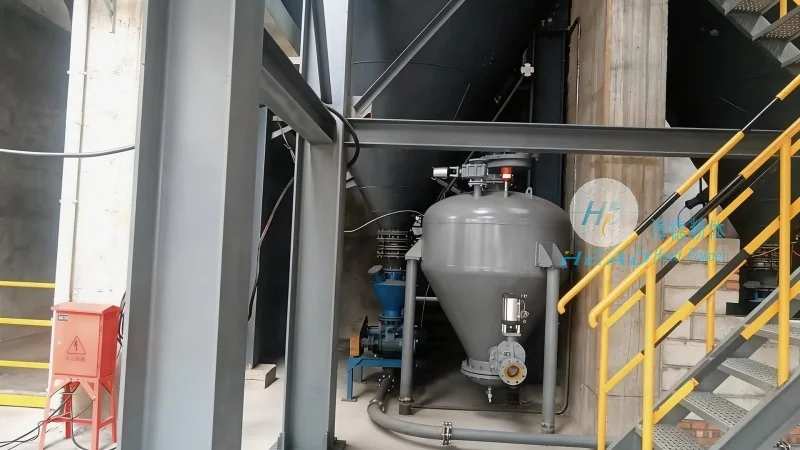
When deciding between positive and negative pressure for dry desulfurizer pneumatic conveying, several key factors must be evaluated. The first consideration is the material's physical properties, such as particle size, density, and moisture content. Materials with high moisture content or fine particles may require a negative pressure system to prevent clogging or dust explosion risks. Conversely, coarse or abrasive materials may benefit from the higher pressure and capacity of a positive pressure system. The second factor is the conveying distance and layout. Positive pressure systems are generally preferred for longer distances or complex pipelines, while negative pressure systems are suitable for shorter distances or when dust containment is critical. The third factor is the environmental and safety requirements of the facility. Negative pressure systems are often chosen in environments where dust emissions must be minimized, such as in industrial parks or residential areas. Additionally, the cost of equipment and maintenance should be considered, as positive pressure systems may require more expensive components and higher energy consumption.
Distinguishing Between Positive and Negative Pressure Systems
Distinguishing between positive and negative pressure pneumatic conveying systems can be done by evaluating the system's operating pressure, equipment used, and environmental impact. Positive pressure systems are characterized by a pressure higher than atmospheric pressure, with equipment like high-pressure blowers and positive displacement pumps. The pipeline is typically sealed, and the system operates by forcing material through the pipeline. In contrast, negative pressure systems operate under a vacuum, using vacuum pumps to draw material into the system. The pipeline is also sealed, but the pressure inside is lower than the ambient air pressure. Another way to distinguish is by observing the system's noise levels and dust control. Positive pressure systems may generate more noise and require additional filtration, while negative pressure systems are quieter and better at containing dust. The choice of system should align with the specific needs of the desulfurization process, ensuring optimal performance and compliance with environmental regulations.
Conclusion
Selecting the appropriate pneumatic conveying system for dry desulfurizer transport is a critical decision that impacts the efficiency and reliability of the desulfurization process. Positive pressure systems offer advantages in conveying capacity and distance, while negative pressure systems excel in dust control and lower equipment costs. By evaluating the material properties, conveying distance, and environmental requirements, facilities can make an informed choice between positive and negative pressure systems. Shandong HeadPowder Engineering Co., Ltd., a leading provider of dry desulfurizer solutions, specializes in designing and implementing customized pneumatic conveying systems tailored to the specific needs of industrial applications. With years of experience in the field, the company ensures that the chosen system meets the highest standards of performance, safety, and environmental compliance. Whether a positive or negative pressure system is selected, proper design and maintenance are essential to maximize the lifespan and efficiency of the conveying system. By understanding the key factors and distinguishing between the two approaches, facilities can optimize their desulfurization process and contribute to a cleaner environment.