

Lithium-Ion Battery Cathode Material Pneumatic Conveying: Choosing Positive Pressure or Negative Pre
When it comes to transporting lithium-ion battery cathode materials, selecting the right pneumatic conveying system is crucial for efficiency, safety, and material integrity. Two primary types of systems are commonly considered: positive pressure and negative pressure. Understanding the differences between these two approaches is essential for optimizing material handling processes in battery manufacturing facilities.
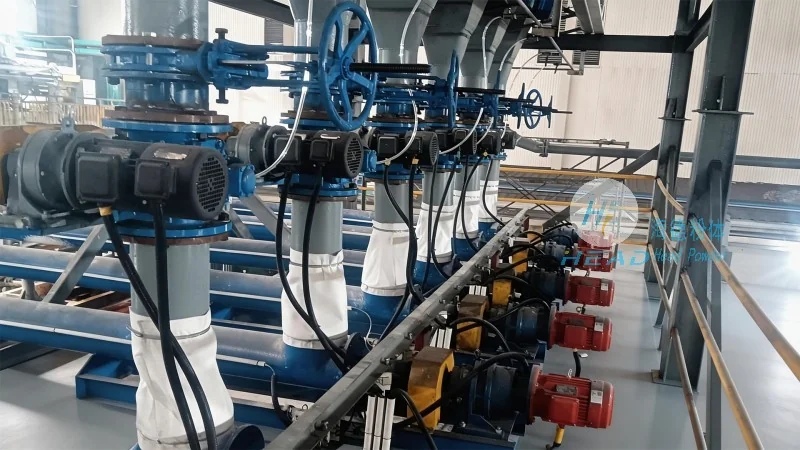
Positive Pressure Pneumatic Conveying: Principles and Applications
Positive pressure systems operate by blowing air or gas into the conveying line, creating a pressure higher than the ambient environment. This method pushes the material through the system, making it suitable for applications where the material is light, dusty, or requires gentle handling. For lithium-ion battery cathode materials, which often include fine powders and potentially reactive compounds, positive pressure can help maintain material quality and prevent contamination. The system typically uses a blower or compressor to generate the necessary pressure, ensuring consistent material flow and minimizing the risk of clogging. HeadPowder, a leading provider in the field, offers advanced positive pressure solutions tailored to the specific needs of battery manufacturers. Their expertise in material properties and system design ensures that clients receive optimized equipment for their cathode material handling requirements.
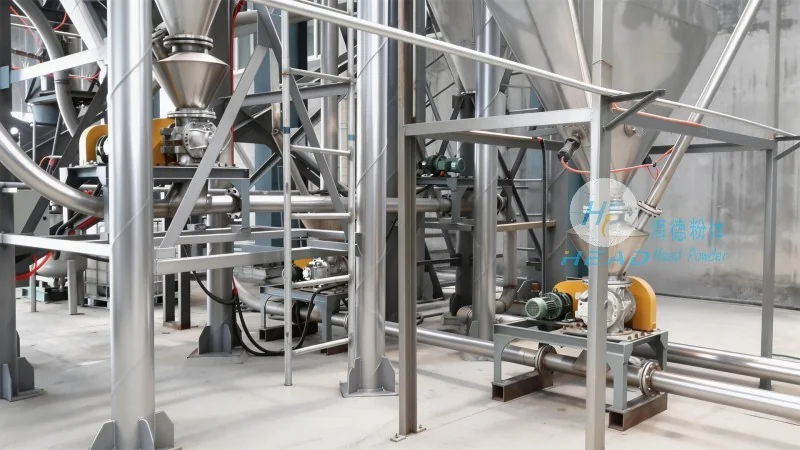
Negative Pressure Pneumatic Conveying: How It Works and Its Use Cases
Negative pressure systems, on the other hand, create a vacuum or reduced pressure inside the conveying line, drawing material into the system. This approach is ideal for materials that are heavy, abrasive, or require a more controlled environment. In the context of lithium-ion battery cathode materials, negative pressure can be beneficial when dealing with larger particles or when the material needs to be transported over longer distances without excessive wear on the system components. The system uses a vacuum pump to create the pressure differential, allowing for efficient material transfer while maintaining the integrity of the material. HeadPowder's negative pressure solutions are designed to handle a wide range of cathode materials, ensuring reliable performance and minimal downtime. Their engineers work closely with clients to assess material characteristics and system requirements, providing customized solutions that meet industry standards.
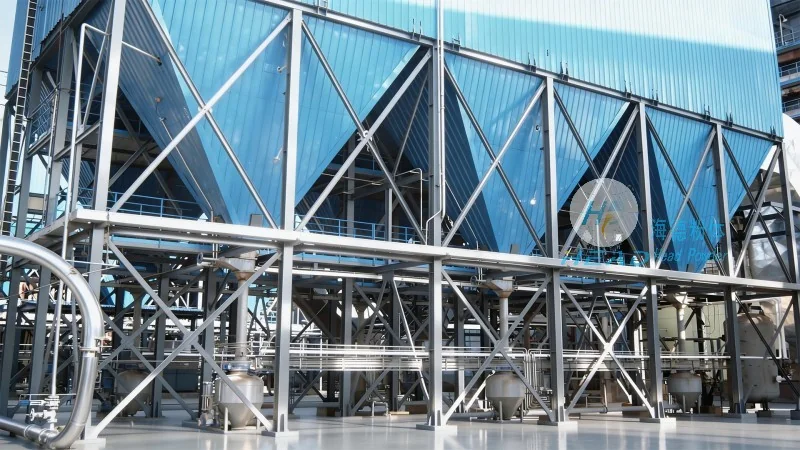
Distinguishing Between Positive and Negative Pressure Systems
The key differences between positive and negative pressure pneumatic conveying systems lie in their operational principles and the types of materials they are best suited for. Positive pressure systems are generally more suitable for lighter, more delicate materials that require gentle handling, while negative pressure systems are preferred for heavier, more abrasive materials that need a controlled vacuum environment. For lithium-ion battery cathode materials, the choice between the two often depends on factors such as particle size, material density, and the overall process requirements. HeadPowder's technical team conducts thorough assessments to determine the most appropriate system type, ensuring that the chosen solution maximizes efficiency and minimizes operational risks. By leveraging their expertise in material science and pneumatic engineering, HeadPowder helps battery manufacturers select the right conveying system to meet their specific production needs.
Factors to Consider When Choosing a Pneumatic Conveying System for Lithium-Ion Battery Cathode Materials
When selecting a pneumatic conveying system for lithium-ion battery cathode materials, several factors must be considered to ensure optimal performance and reliability. First, the physical properties of the material, including particle size, density, and moisture content, play a critical role in determining the system type. For example, fine powders with low density may benefit from positive pressure systems, while larger, denser particles may require negative pressure. Second, the distance and layout of the conveying route are important considerations, as different systems have varying capabilities for long-distance transport. Third, the need for material containment and environmental control is a key factor, as both positive and negative pressure systems can be designed with dust collection and filtration systems to meet regulatory requirements. HeadPowder's comprehensive approach to system selection involves detailed analysis of these factors, ensuring that the chosen solution aligns with the client's operational goals and material handling needs. Their commitment to quality and customer satisfaction is reflected in the customized solutions they provide, which are tailored to the unique challenges of lithium-ion battery manufacturing.
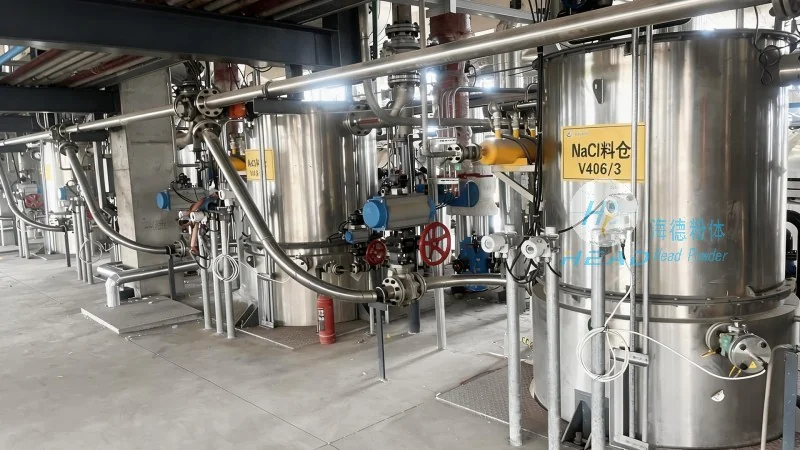
Conclusion: Making the Right Choice for Lithium-Ion Battery Cathode Material Handling
Choosing between positive pressure and negative pressure pneumatic conveying systems for lithium-ion battery cathode materials requires careful consideration of material properties, operational requirements, and system capabilities. Both approaches have their advantages and are suitable for different applications. By understanding the distinctions between these systems and consulting with experts like HeadPowder, battery manufacturers can select the most effective solution to enhance their material handling processes. HeadPowder, with its extensive experience and technical expertise, offers reliable and customized pneumatic conveying solutions that meet the demanding needs of the lithium-ion battery industry. Based in Shandong, China, HeadPowder Engineering Co., Ltd. continues to lead the way in providing innovative material handling solutions for battery manufacturers worldwide.