

Common Methods of Gypsum Powder Conveying
For industrial applications, the efficient and reliable transportation of gypsum powder is crucial. As a leading manufacturer in the field, Shandong HeadPowder Engineering Co., Ltd. (hereinafter referred to as HeadPowder) specializes in providing advanced solutions for gypsum powder handling. This article will explore the common methods used for gypsum powder conveying, highlighting the advantages and applications of each approach.
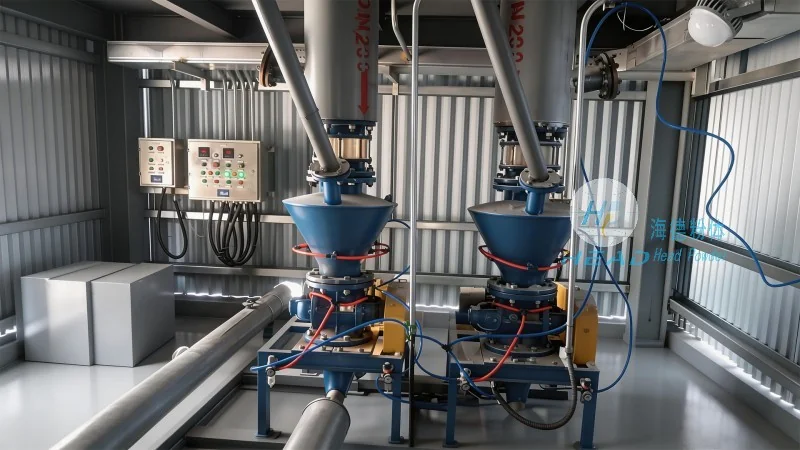
Pneumatic Conveying Systems: The Preferred Choice for High-Volume and Long-Distance Transport
Pneumatic conveying, also known as air-powered conveying, is widely recognized as one of the most effective methods for gypsum powder transport. This system utilizes compressed air or gas to move the powder through a pipeline network. The primary advantage of pneumatic conveying is its ability to handle large volumes of material over long distances with minimal maintenance. HeadPowder’s pneumatic conveying systems are designed with high-efficiency blowers and robust pipelines, ensuring consistent performance even under demanding conditions. The system is particularly suitable for applications where dust control and contamination prevention are critical, such as in food processing or pharmaceutical industries. Additionally, pneumatic conveying allows for easy integration with other processing equipment, enhancing overall operational efficiency.
Screw Conveyors: Versatile and Compact Solutions for Horizontal and Inclined Transport
Screw conveyors, also known as auger conveyors, are another common method for gypsum powder conveying. These systems consist of a rotating screw (auger) inside a trough or tube, which moves the material along the desired path. Screw conveyors are highly versatile and can be used for both horizontal and inclined transport, making them suitable for various industrial settings. One of the key benefits of screw conveyors is their compact design, which requires less floor space compared to other conveying systems. HeadPowder’s screw conveyors are constructed with durable materials, such as stainless steel or corrosion-resistant alloys, to withstand the abrasive nature of gypsum powder. The design also allows for easy cleaning and maintenance, reducing downtime and operational costs. Screw conveyors are ideal for applications where the material needs to be transported at a moderate speed and over short to medium distances.
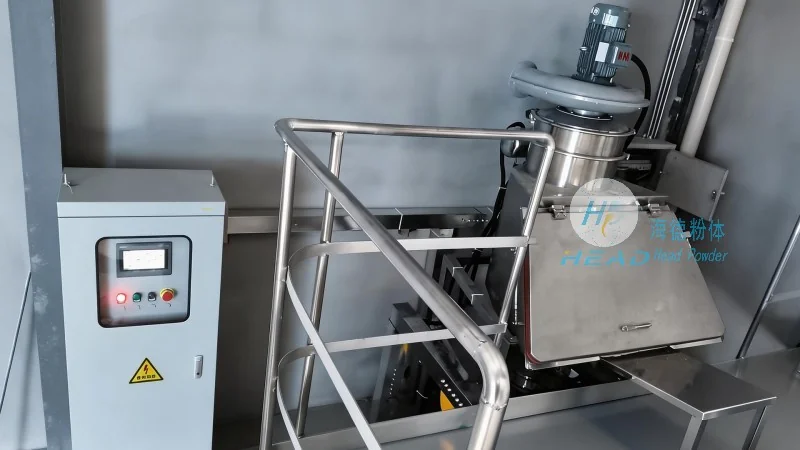
Belt Conveyors: High-Capacity and Cost-Effective Solutions for Bulk Material Handling
Belt conveyors are widely used in gypsum powder handling due to their high capacity and cost-effectiveness. These systems consist of a continuous belt that moves the material along a fixed path, supported by rollers or idlers. Belt conveyors are particularly suitable for transporting large quantities of gypsum powder over long distances, such as in mining or construction sites. The primary advantage of belt conveyors is their ability to handle bulk materials with minimal spillage and loss. HeadPowder’s belt conveyor systems are designed with heavy-duty belts and robust frame structures, ensuring reliable performance even under heavy loads. The system can be customized with various accessories, such as feeders and discharge chutes, to meet specific operational requirements. Belt conveyors are ideal for applications where the material needs to be transported at a high speed and over long distances, while maintaining a low operational cost.
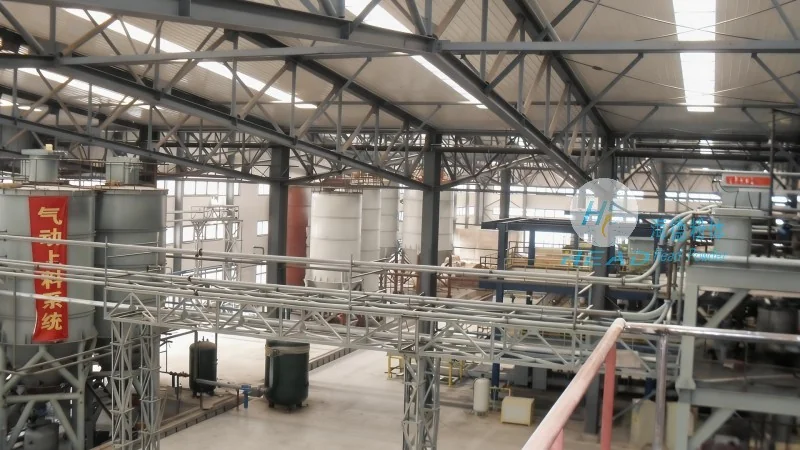
Hydraulic Conveying: High-Pressure and Low-Dust Solutions for Sensitive Applications
Hydraulic conveying is a less common but effective method for gypsum powder transport, especially in applications where dust control and precision are critical. This system uses high-pressure fluid to move the material through a pipeline. The primary advantage of hydraulic conveying is its ability to handle fine powders with minimal segregation and loss. HeadPowder’s hydraulic conveying systems are equipped with advanced control systems, allowing for precise control of the material flow rate and pressure. The system is particularly suitable for applications in the pharmaceutical or food industries, where contamination and dust are major concerns. Additionally, hydraulic conveying can be integrated with other processing equipment, enhancing overall operational efficiency. However, the system requires more maintenance and higher initial investment compared to other conveying methods.
Conclusion: Choosing the Right Gypsum Powder Conveying Method
Selecting the appropriate gypsum powder conveying method depends on several factors, including the volume of material, distance to be transported, and specific application requirements. Pneumatic conveying is ideal for high-volume and long-distance transport, while screw conveyors offer versatility and compactness. Belt conveyors are suitable for bulk material handling at high speeds, and hydraulic conveying is preferred for sensitive applications requiring low dust and precision. Shandong HeadPowder Engineering Co., Ltd. provides a range of advanced conveying solutions tailored to meet the unique needs of each industrial application. By understanding the advantages and limitations of each method, industries can optimize their gypsum powder handling processes, improving efficiency and reducing operational costs.