

Analysis of PUR Pneumatic Conveying Technology: Comparison of Positive and Negative Pressure Modes
Gas-solid two-phase flow is a common method for material transport in modern industrial production. Among various pneumatic conveying technologies, the PUR (Positive and Negative Pressure) system has become a key solution for efficient and flexible material handling. This article aims to provide a detailed analysis of the PUR pneumatic conveying technology, focusing on the comparison between positive and negative pressure modes, and introduces the professional solutions from Shandong HeadPowder Engineering Co., Ltd.
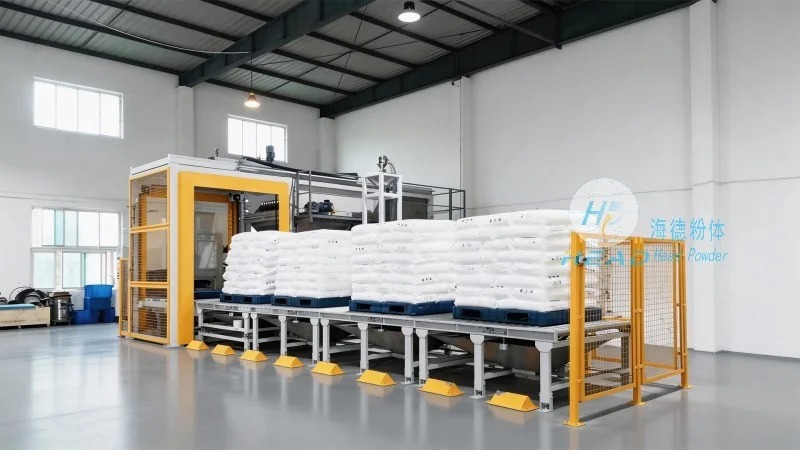
Understanding Pneumatic Conveying Systems
Pneumatic conveying systems use air or gas as the conveying medium to transport bulk materials from one location to another. The PUR system integrates both positive and negative pressure modes, offering a comprehensive solution for different material characteristics and process requirements. The core principle is to create a pressure differential between the conveying line and the surrounding environment, enabling the movement of particles through the pipeline.
Positive Pressure Mode: Advantages and Applications
In the positive pressure mode, the conveying line is maintained at a pressure higher than the ambient air pressure. This mode is particularly suitable for transporting materials that are sensitive to moisture or oxidation, as the sealed system prevents external air from entering. The positive pressure also helps in overcoming longer distances and higher elevation changes, making it ideal for applications such as food, pharmaceuticals, and chemical powders.
One of the key advantages of the positive pressure mode is its ability to handle a wide range of particle sizes and shapes, from fine powders to granules. The high pressure ensures that the material is fully suspended in the air stream, reducing the risk of blockages and ensuring consistent flow rates. However, this mode may require more robust equipment and higher energy consumption compared to negative pressure systems, as the system needs to generate and maintain the elevated pressure.
Negative Pressure Mode: Characteristics and Use Cases
Conversely, the negative pressure mode operates by maintaining the conveying line at a pressure lower than the ambient air pressure. This mode is commonly used for applications where the material is to be collected from a source and transported to a destination, such as in dust collection systems or material recovery processes. The negative pressure helps in drawing the material into the pipeline, which is beneficial for handling materials that are prone to re-entrainment or where the source is located at a higher elevation.
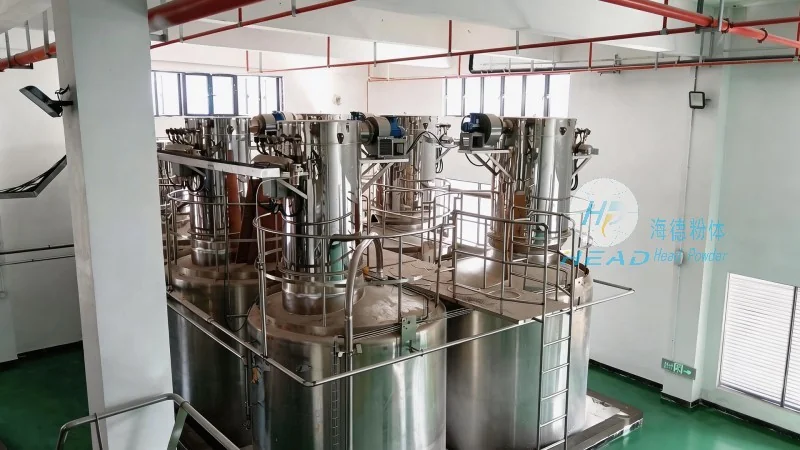
The negative pressure mode is generally more energy-efficient for shorter distances and lower elevation changes, as it relies on the natural flow of air rather than active pressure generation. However, it has limitations in handling materials that are highly abrasive or corrosive, as the system may be more susceptible to wear and tear from the material particles. Additionally, the sealed environment is not as effective as in the positive pressure mode, potentially leading to higher emissions if not properly managed.
Comparison: Positive vs. Negative Pressure Modes
When selecting between positive and negative pressure modes, several factors need to be considered, including the material properties, distance, elevation, and environmental regulations. The positive pressure mode offers better control over the material's quality and reduces the risk of contamination, making it suitable for high-value products. The negative pressure mode, on the other hand, is more economical for shorter runs and less demanding applications.
From an operational perspective, the positive pressure mode requires more maintenance due to the higher pressure components, while the negative pressure mode may need more frequent cleaning to prevent material buildup in the pipeline. The choice also depends on the available space and infrastructure, as the positive pressure system may need additional ventilation to manage the excess pressure.
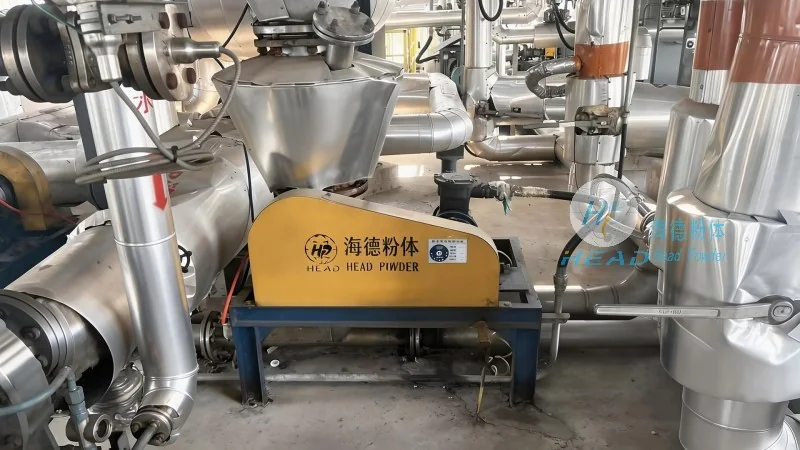
HeadPowder's Expertise in PUR Pneumatic Conveying
Shandong HeadPowder Engineering Co., Ltd., a leading provider of pneumatic conveying solutions, specializes in designing and manufacturing customized PUR systems tailored to the specific needs of clients. With years of experience in the industry, HeadPowder has developed advanced technologies to optimize the performance of both positive and negative pressure modes, ensuring efficient material transport while minimizing energy consumption and operational costs.
The company's engineers work closely with clients to assess their material characteristics, process requirements, and site conditions to recommend the most suitable conveying mode. For example, for a food processing plant requiring the transport of sensitive powders, HeadPowder may recommend a positive pressure system with advanced filtration and cleaning features to maintain product quality. In contrast, for a construction site handling bulk materials over short distances, a negative pressure system with high-capacity fans may be more appropriate.
HeadPowder's solutions include a range of components such as airlocks, rotary valves, and filter systems, all designed to work seamlessly in the PUR system. The company also provides comprehensive after-sales support, including maintenance services and technical consultations, to ensure the long-term reliability and efficiency of the conveying systems.
Conclusion
PUR pneumatic conveying technology offers a versatile and efficient solution for material transport, with the ability to adapt to various applications through the combination of positive and negative pressure modes. By understanding the characteristics and limitations of each mode, industries can select the most suitable system to meet their operational needs. Shandong HeadPowder Engineering Co., Ltd. continues to lead in providing innovative and reliable solutions, helping clients achieve optimal performance in their material handling processes.