

Methods for Transporting Cement and Fly Ash
Efficient transportation of cement and fly ash is crucial in the construction and industrial sectors, as these materials are fundamental components in various applications such as concrete production, road construction, and environmental remediation. The choice of transportation method directly impacts operational efficiency, cost-effectiveness, and safety. This article explores the primary methods used for transporting cement and fly ash, highlighting the technologies and considerations that influence the selection process. Shandong HeadPowder Engineering Co., Ltd., a leading provider in the field, emphasizes the importance of selecting the right transportation system to meet the specific needs of industrial operations.
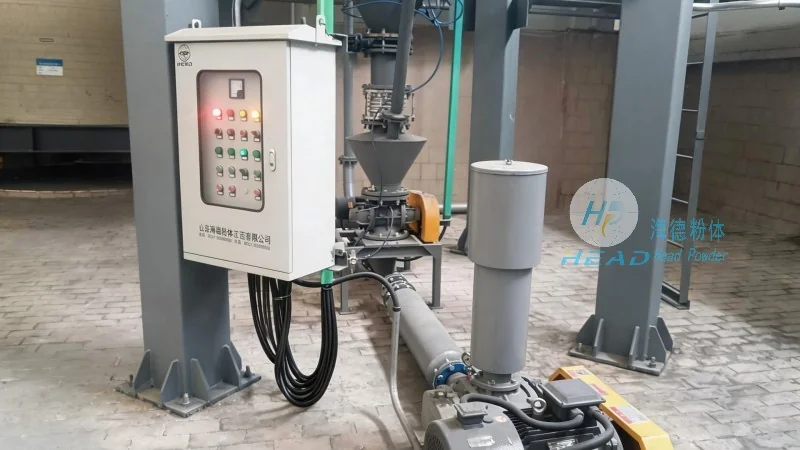
Overview of Cement and Fly Ash Transportation
Cement and fly ash are both fine-grained materials that require specialized handling to prevent dust generation and ensure smooth flow. The transportation methods must be designed to maintain the integrity of these materials while minimizing degradation. Commonly used techniques include pneumatic conveying, belt conveying, and hydraulic pumping. Each method has distinct advantages and is suitable for different operational scenarios, including distance, material properties, and environmental constraints.
Pneumatic Conveying Systems
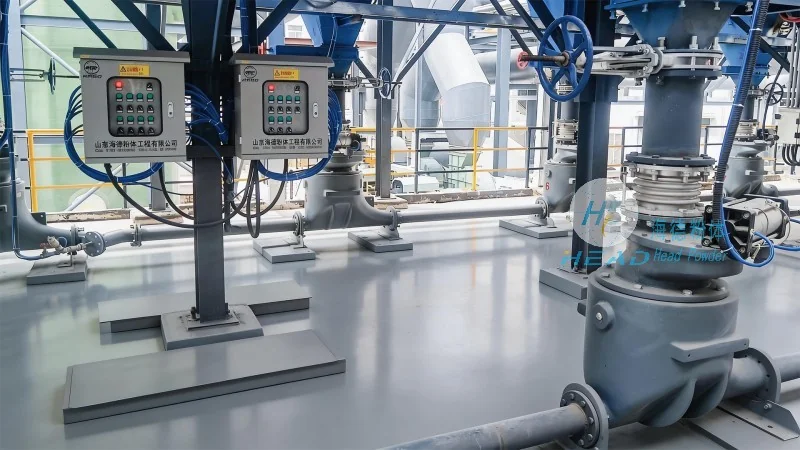
Pneumatic conveying is a widely adopted method for transporting cement and fly ash due to its ability to handle fine powders over moderate distances. This system utilizes air pressure to move materials through a pipeline network. There are two main types: pressure and vacuum systems. Pressure systems use compressed air to push the material forward, while vacuum systems create a negative pressure to draw the material. The choice between the two depends on the distance and the volume of material to be transported. Pneumatic conveying offers advantages such as low maintenance, the ability to handle abrasive materials, and the option to integrate with existing dust collection systems. However, it may require higher energy consumption and careful design to prevent material degradation or blockages.
Belt Conveying for Bulk Materials
Belt conveying is another common method, particularly for transporting larger quantities of cement and fly ash over longer distances. This system consists of a continuous belt that moves along rollers or idlers, carrying the material from the source to the destination. Belt conveyors are highly efficient for horizontal and slight incline transport and can handle high volumes with minimal labor. They are suitable for both indoor and outdoor applications and can be customized with features like load cells for weight measurement and sensors for material level monitoring. The primary advantage of belt conveying is its cost-effectiveness and reliability, making it a popular choice for industrial plants. However, it may require more space and regular maintenance to ensure smooth operation.
Hydraulic Pumping Solutions
Hydraulic pumping, often referred to as slurry pumping, is used for transporting cement and fly ash in slurry form. This method involves mixing the materials with water to create a fluid slurry, which is then pumped through pipelines using centrifugal or positive displacement pumps. Hydraulic pumping is ideal for long-distance transport, especially when dealing with high-viscosity slurries or when the material needs to be transported through complex terrain. It offers the benefit of handling abrasive materials without significant wear on the equipment. However, it requires careful control of the slurry consistency to prevent clogging and may involve higher water usage and additional treatment for waste management.
Specialized Equipment for Handling Fine Powders
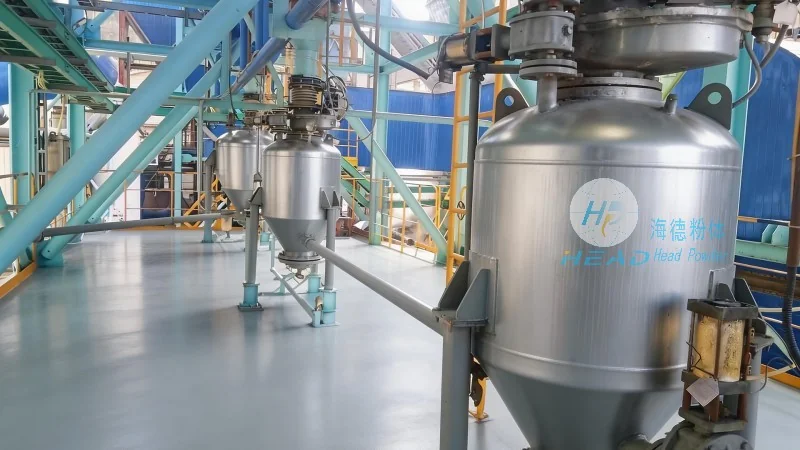
When transporting cement and fly ash, specialized equipment is often necessary to ensure the material remains in a dry, free-flowing state. For example, rotary valves and feeders are used to control the flow rate and prevent material buildup at the discharge point. Screw conveyors are also common for vertical or inclined transport, providing a compact solution for moving powders between different levels. These equipment choices are critical in maintaining the quality of the material and preventing dust contamination. The selection of equipment should consider factors such as material density, flowability, and the need for dust suppression.
Considerations for Choosing the Right Transportation Method
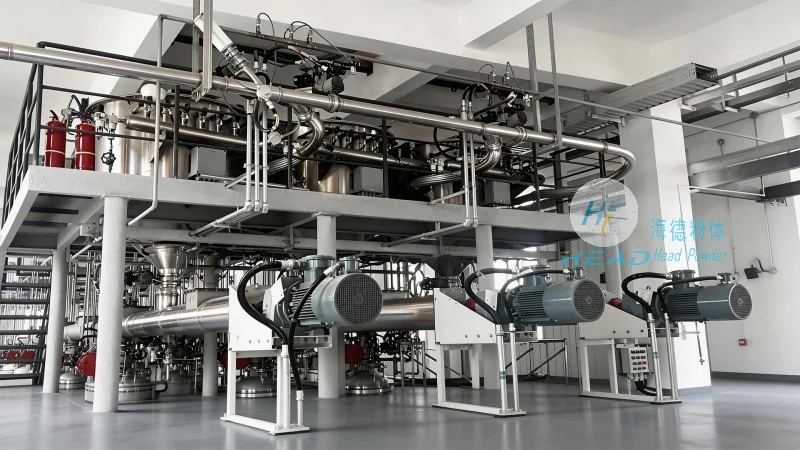
The selection of a transportation method for cement and fly ash depends on several key factors, including the distance between the source and destination, the volume of material to be transported, the material's physical properties (e.g., fineness, moisture content), and the available infrastructure. For short distances and moderate volumes, pneumatic conveying may be sufficient. For longer distances and high volumes, belt conveying or hydraulic pumping might be more appropriate. Environmental regulations also play a role, as some methods may generate more dust or require additional emission controls. Additionally, the cost of installation, operation, and maintenance should be evaluated to ensure the chosen method aligns with the overall project budget and operational goals.
Conclusion
In conclusion, the transportation of cement and fly ash requires careful consideration of the available methods and their specific applications. Pneumatic conveying, belt conveying, and hydraulic pumping each offer unique advantages and are selected based on operational requirements and material characteristics. By understanding the properties of cement and fly ash and the capabilities of each transportation system, industrial facilities can optimize their material handling processes, improve efficiency, and reduce costs. As technology advances, new innovations in material handling, such as automated control systems and advanced filtration, continue to enhance the effectiveness of cement and fly ash transportation, supporting the growth of the construction and industrial sectors.