

Conveying Methods for Sawdust and Husk
When it comes to efficiently transporting sawdust and husk materials, various methods are employed in industrial settings. These materials, often byproducts of woodworking or agricultural processes, require reliable and effective conveying solutions to ensure smooth operations. This article explores the different approaches used for sawdust and husk conveying, highlighting the key factors that influence the choice of method.
Understanding Sawdust and Husk Conveying Needs
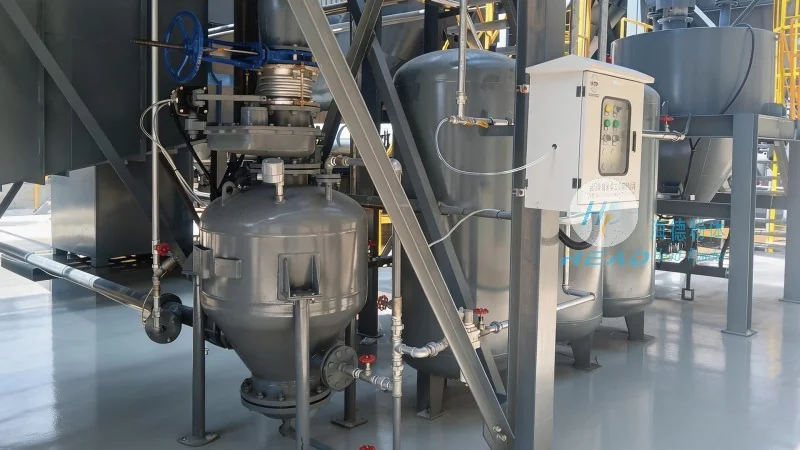
Sawdust and husk are lightweight, often abrasive, and can be prone to dust generation. The nature of these materials dictates the type of conveying system that is most suitable. Factors such as material density, moisture content, and the distance to be covered play crucial roles in determining the optimal conveying method. Additionally, the scale of the operation—whether it's a small-scale woodworking shop or a large industrial facility—also impacts the choice of equipment.
Common Conveying Methods for Sawdust and Husk
Several methods are commonly used for transporting sawdust and husk. The primary options include mechanical conveyors, such as belt conveyors and screw conveyors, as well as pneumatic systems like vacuum and pressure conveyors. Each method has its advantages and is suited to different operational requirements.
Mechanical Conveyors: Belt and Screw Conveyors
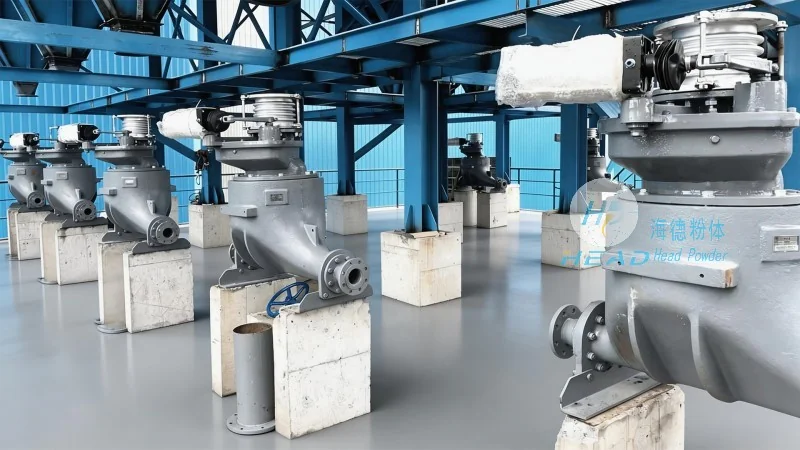
Belt conveyors are widely used for sawdust and husk conveying due to their simplicity and efficiency. These systems consist of a continuous belt that moves materials from one point to another. The belt is typically made of durable materials like rubber or plastic, which can withstand the abrasive nature of sawdust and husk. Belt conveyors are particularly effective for horizontal or slightly inclined transport, making them ideal for moving materials over short to medium distances. They are also capable of handling large volumes of material, making them suitable for high-throughput applications.
Screw conveyors, also known as auger conveyors, are another popular mechanical option. These systems use a rotating screw to push materials forward. The screw is enclosed in a tube, which helps contain the material and prevent spillage. Screw conveyors are well-suited for vertical or inclined transport, allowing materials to be lifted or moved at an angle. They are particularly effective for handling materials with higher moisture content, as the screw can help dewater the material during transport. However, screw conveyors may experience more wear and tear due to the abrasive nature of sawdust and husk, requiring regular maintenance.
Pneumatic Conveying Systems
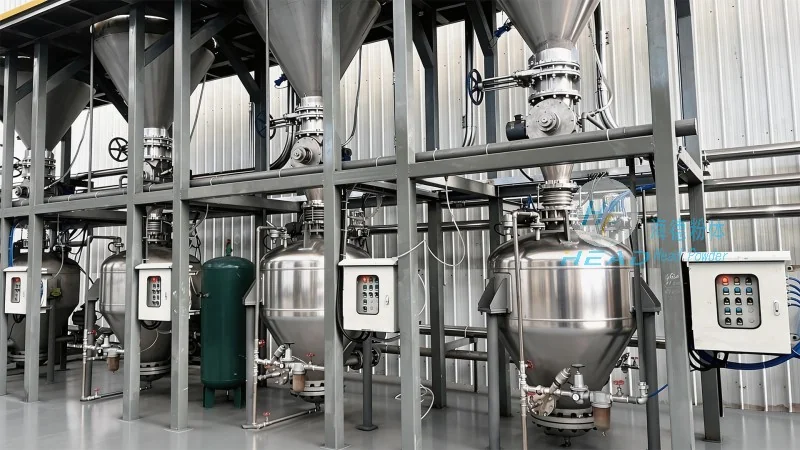
Pneumatic systems use air pressure to transport sawdust and husk. There are two main types: vacuum and pressure conveyors. Vacuum conveyors create a negative pressure to draw materials into the system, while pressure conveyors use positive pressure to push materials forward. Pneumatic systems are highly flexible and can handle materials over long distances, even vertically. They are particularly useful for applications where the material needs to be transported through multiple points or into storage silos. However, pneumatic systems may require more energy to operate compared to mechanical conveyors, and they can be more complex to install and maintain.
Choosing the Right Conveying Method for Your Needs
The choice of conveying method for sawdust and husk depends on several factors, including the specific characteristics of the material, the distance to be covered, and the operational requirements of the facility. For example, if the material is to be transported over short distances horizontally, a belt conveyor may be the most cost-effective solution. If vertical transport is needed, a screw conveyor might be more suitable. For long-distance or complex transport routes, a pneumatic system could offer the flexibility required.
Case Study: HeadPowder Engineering's Conveying Solutions
Shandong HeadPowder Engineering Co., Ltd., a leading provider of engineering solutions, specializes in designing and manufacturing conveying systems tailored to the needs of sawdust and husk applications. With a focus on efficiency and reliability, HeadPowder offers a range of mechanical and pneumatic conveying options that cater to various industrial requirements. The company's expertise in material handling ensures that their systems are optimized for the unique challenges posed by sawdust and husk, such as dust control and material flow management.
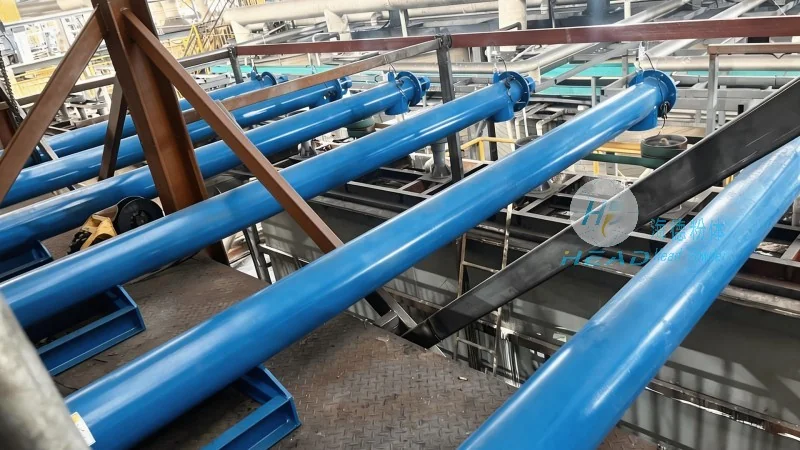
HeadPowder's team of engineers works closely with clients to understand their specific conveying needs and recommend the most appropriate system. Whether it's a belt conveyor for horizontal transport or a pneumatic system for long-distance handling, the company provides customized solutions that enhance operational efficiency and reduce downtime. By leveraging advanced technology and robust materials, HeadPowder ensures that their conveying systems are durable and capable of withstanding the demands of sawdust and husk processing.
Conclusion
In conclusion, the effective conveying of sawdust and husk is essential for smooth industrial operations. The choice of method depends on various factors, including material characteristics, distance, and operational scale. Mechanical conveyors like belt and screw systems offer reliability and efficiency for shorter distances, while pneumatic systems provide flexibility for longer or more complex routes. Companies like Shandong HeadPowder Engineering Co., Ltd. play a crucial role in providing tailored solutions that meet the specific needs of sawdust and husk processing facilities, ensuring optimal performance and productivity.