

Classification and Composition of Lithium Oxide Pneumatic Conveying Systems
Lithium oxide, a critical material in various industrial applications, requires efficient and reliable transportation methods to ensure safe and effective handling. Pneumatic conveying systems have emerged as a preferred solution for transporting lithium oxide due to their ability to handle fine powders and provide a closed-loop operation, minimizing dust exposure and environmental impact. This article provides an overview of the classification and key components of lithium oxide pneumatic conveying systems, highlighting the technological advancements and practical considerations for industrial applications.
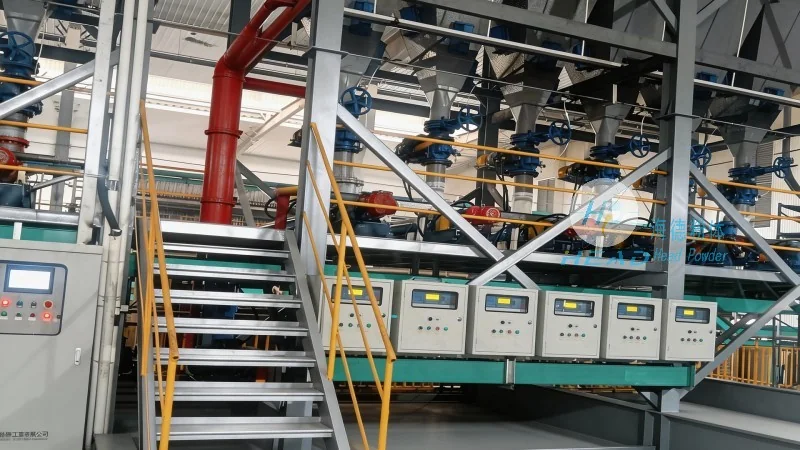
Classification of Lithium Oxide Pneumatic Conveying Systems
Lithium oxide pneumatic conveying systems can be broadly classified into two main categories based on the operating principle and pressure differentials: suction-type and pressure-type systems. Each type has distinct characteristics and is suitable for different operational requirements.
Suction-Type Systems: These systems operate under negative pressure, drawing material from the source into the conveying line using a vacuum pump or fan. Suction-type systems are ideal for applications where the material needs to be collected from multiple points or where the source is at a higher elevation than the destination. They are particularly effective for handling fine powders that are prone to dusting, as the enclosed system prevents particle loss and contamination. The primary components of a suction-type system include a vacuum source (such as a rotary vane or roots blower), a hopper or feed device to control material flow, and a filter or separator to remove any entrained air or particles before discharge.
Pressure-Type Systems: In contrast, pressure-type systems operate under positive pressure, pushing material through the conveying line using a positive displacement blower or compressor. These systems are commonly used when the material source is at a lower elevation than the destination, or when high conveying rates are required. Pressure-type systems are generally more robust and can handle larger quantities of material compared to suction-type systems. The key components of a pressure-type system include a positive pressure fan, a feed hopper with a rotary valve or star feeder to regulate material flow, and a venturi or cyclone separator to separate the material from the air stream at the discharge end.
Key Components of Lithium Oxide Pneumatic Conveying Systems
Regardless of the classification, lithium oxide pneumatic conveying systems share several essential components that ensure efficient operation and material handling. These components work in tandem to maintain the integrity of the material and the system's performance.
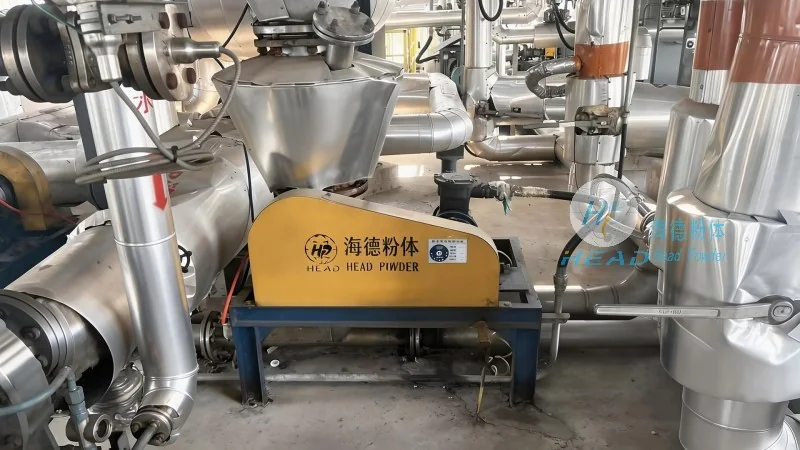
1. Conveying Pipelines: The pipelines used in pneumatic conveying systems are typically made of stainless steel or other corrosion-resistant materials to withstand the chemical properties of lithium oxide and prevent contamination. The pipe diameter and length are carefully selected based on the material's flow characteristics, conveying velocity, and system pressure to minimize pressure drop and ensure smooth material transport. Flexible connectors and joints are often used to accommodate changes in direction or elevation, providing flexibility in system design.
2. Air Handling Equipment: The air handling equipment, including fans or blowers, is a critical component that generates the necessary pressure or vacuum to move the material. For suction-type systems, a vacuum pump is used to create a negative pressure, while pressure-type systems utilize a positive displacement blower. The selection of the air handling equipment depends on the system's capacity, the material's density and particle size, and the required conveying distance. Proper sizing and maintenance of the air handling equipment are essential to ensure consistent performance and energy efficiency.
3. Feed and Control Devices: The feed and control devices regulate the material flow into the conveying line, preventing blockages and ensuring a steady supply of material. Common feed devices include rotary valves, star feeders, and screw feeders, which are designed to handle fine powders without clogging. These devices are often equipped with sensors and control systems to monitor flow rates and adjust operation as needed. Additionally, pressure or vacuum regulators are used to maintain consistent system pressure, protecting the equipment from damage and ensuring reliable operation.
4. Separation and Cleaning Equipment: The separation equipment, such as cyclones or filters, is used to separate the material from the air stream at the discharge end. This step is crucial to prevent material loss and maintain system efficiency. Cyclones use centrifugal force to separate particles from the air, while filters trap fine particles in a media. The choice of separation equipment depends on the particle size distribution and the required purity of the conveyed material. Regular cleaning and maintenance of the separation equipment are necessary to prevent clogging and ensure optimal performance.
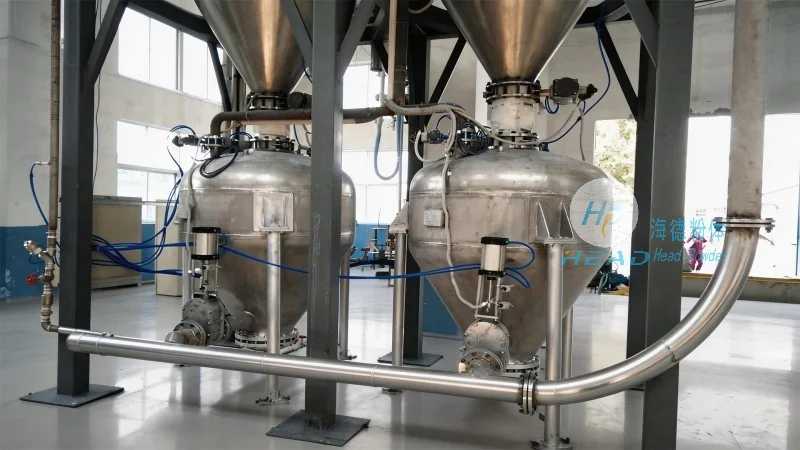
5. Hoppers and Storage Tanks: Hoppers or storage tanks are used to store the lithium oxide before it is fed into the conveying system. These containers are designed to minimize material degradation and prevent contamination. The hopper design, including the angle of the walls and the presence of a cone or cone valve, is critical to ensure proper material flow and prevent bridging or agglomeration. For lithium oxide, which can be hygroscopic or reactive, the hoppers are often lined with corrosion-resistant materials and equipped with heating or cooling systems to maintain the material's properties.
Applications and Considerations for Lithium Oxide Pneumatic Conveying
The choice of pneumatic conveying system for lithium oxide depends on several factors, including the material's properties, the required conveying distance, and the operational environment. Fine lithium oxide powders, for example, may require higher conveying velocities and more efficient separation equipment to prevent particle loss. Additionally, the system must be designed to handle any potential dust explosions or material reactivity, incorporating safety features such as explosion-proof fans and dust collection systems.
Industrial applications of lithium oxide pneumatic conveying systems include pharmaceutical manufacturing, battery production, and chemical processing. In these industries, the systems are used to transport lithium oxide from storage to processing units, ensuring a continuous and safe supply of material. The closed-loop design of the systems also helps in maintaining environmental compliance by reducing dust emissions and preventing material contamination.
About Shandong HeadPowder Engineering Co., Ltd.
Shandong HeadPowder Engineering Co., Ltd., based in China, specializes in the design, manufacturing, and installation of advanced pneumatic conveying systems for various industrial applications. With years of experience in the field, the company provides customized solutions tailored to the specific needs of clients, ensuring efficient and reliable material handling. The company's expertise in handling fine powders like lithium oxide has made it a trusted partner for industries requiring high-performance conveying systems. HeadPowder Engineering is committed to delivering quality products and services that meet international standards, contributing to the safe and sustainable operation of industrial processes.