

Detailed Explanation of Pneumatic Conveying Systems for Powder Carbon Additives
For industrial applications involving the handling of powder carbon additives, efficient and reliable material transport is crucial. Pneumatic conveying systems have emerged as a preferred solution, offering a range of benefits that enhance operational efficiency and product integrity. This article provides a comprehensive overview of pneumatic conveying systems designed specifically for powder carbon additives, highlighting their design, functionality, and practical applications.
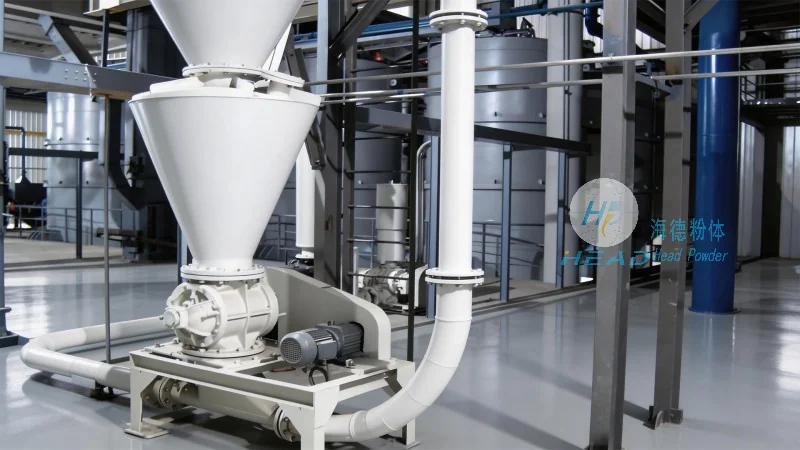
Understanding Pneumatic Conveying Technology
Pneumatic conveying systems utilize air or other gases to transport bulk materials, such as powder carbon additives, from one location to another. The technology operates on the principle of creating a pressure differential that propels the material through a pipeline. There are two primary types of pneumatic conveying systems: dilute-phase and dense-phase. Dilute-phase systems use low air-to-material ratios, resulting in high velocity and relatively low pressure, suitable for short-distance transport. Dense-phase systems, on the other hand, employ higher air-to-material ratios and lower velocities, which are ideal for longer distances and more sensitive materials. The choice between these systems depends on factors like material characteristics, distance, and required product quality.
Key Components of a Pneumatic Conveying System
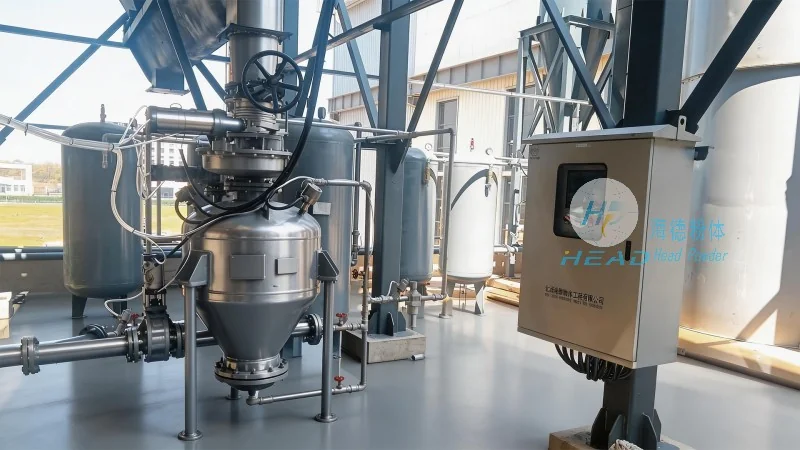
A typical pneumatic conveying system for powder carbon additives consists of several key components that work in concert to ensure smooth operation. These components include a material feed hopper, a conveying line (usually made of stainless steel to prevent material contamination and corrosion), a blower or compressor to generate the necessary air pressure, a control valve to regulate air flow, and a receiver or discharge hopper where the material is collected. Additionally, some systems may incorporate filters to capture fine particles and prevent dust emissions, as well as vacuum or pressure sensors to monitor system performance and ensure optimal operation.
Advantages of Pneumatic Conveying for Powder Carbon Additives
Implementing a pneumatic conveying system for powder carbon additives offers numerous advantages over traditional methods like bucket elevators or belt conveyors. One of the most significant benefits is the ability to maintain product purity and prevent contamination, as the material is transported in a closed system. This is particularly important for carbon additives, which are often used in high-purity applications such as steelmaking and foundry processes. Additionally, pneumatic conveying systems are highly flexible, allowing for easy integration with existing production lines and the ability to transport materials over long distances without the need for multiple transfer points. The systems also contribute to improved safety by eliminating the need for manual handling of powders, reducing the risk of dust explosions and respiratory hazards. Furthermore, they can enhance operational efficiency by reducing downtime associated with material transfer and minimizing the need for frequent maintenance due to their robust design.
Application Examples in Industrial Settings
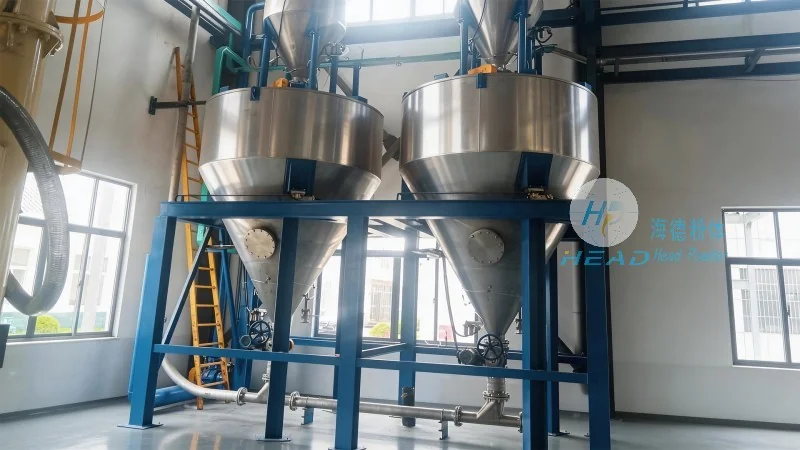
Pneumatic conveying systems for powder carbon additives are widely used in various industrial sectors. In the steel industry, for example, these systems are employed to transport carbon additives to blast furnaces or electric arc furnaces, where they are used to adjust the carbon content of the molten steel. The systems ensure that the additives are delivered in a controlled manner, maintaining the quality of the final product. In foundry operations, pneumatic conveying is used to transport carbon powders to molding lines, where they are added to the sand mixture to improve the strength and durability of the castings. The systems also find applications in the chemical and pharmaceutical industries, where they are used to transport carbon-based additives in the production of various compounds. In each of these applications, the systems provide consistent and reliable material transport, contributing to higher productivity and better product quality.
Company Profile: Shandong HeadPowder Engineering Co., Ltd.
Shandong HeadPowder Engineering Co., Ltd., commonly known as headpowder, is a leading manufacturer and supplier of pneumatic conveying systems and related equipment for powder carbon additives. With a strong commitment to quality and innovation, the company specializes in designing and manufacturing customized solutions tailored to the specific needs of its clients. Headpowder's facilities are located in Shandong, China, where the company leverages advanced technology and skilled expertise to develop cutting-edge pneumatic conveying systems. The company's products are known for their durability, efficiency, and compliance with industry standards, making them a trusted choice for businesses in the steel, foundry, and chemical industries. By focusing on customer satisfaction and continuous improvement, headpowder has established itself as a key player in the pneumatic conveying equipment market.