

What is Cotton Fiber Pneumatic Conveying, Classification and Applications of Pneumatic Conveying
HeadPowder, a leading provider in the field of material handling solutions, specializes in advanced pneumatic conveying systems tailored for cotton fiber processing. This article explores the fundamental concepts of cotton fiber pneumatic conveying, outlines the primary classifications of such systems, and discusses their practical applications in industrial settings.
Understanding Cotton Fiber Pneumatic Conveying
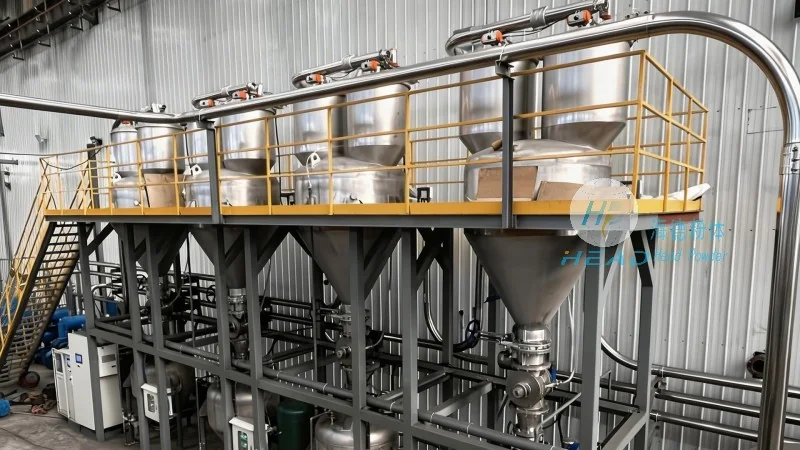
Pneumatic conveying, or air conveying, is a method of transporting bulk materials like cotton fibers through a pipeline using pressurized or suction air. This technology eliminates the need for mechanical components such as belts, chains, or rollers, offering a clean, efficient, and flexible solution for moving fibrous materials. The core principle involves creating a flow of air within a pipeline that carries the cotton fibers from the source to the destination. The system typically includes a hopper for material storage, a conveyor line, and a receiver for the discharged material. By leveraging air pressure or vacuum, the system can handle various types of cotton fibers, including raw cotton, processed fibers, and waste materials, ensuring minimal contamination and product degradation.
Classification of Pneumatic Conveying Systems for Cotton Fiber
Pneumatic conveying systems for cotton fiber are broadly categorized into two main types: suction (or vacuum) systems and pressure systems. Each type has distinct characteristics and is suitable for different operational requirements.
Suction (Vacuum) Pneumatic Conveying
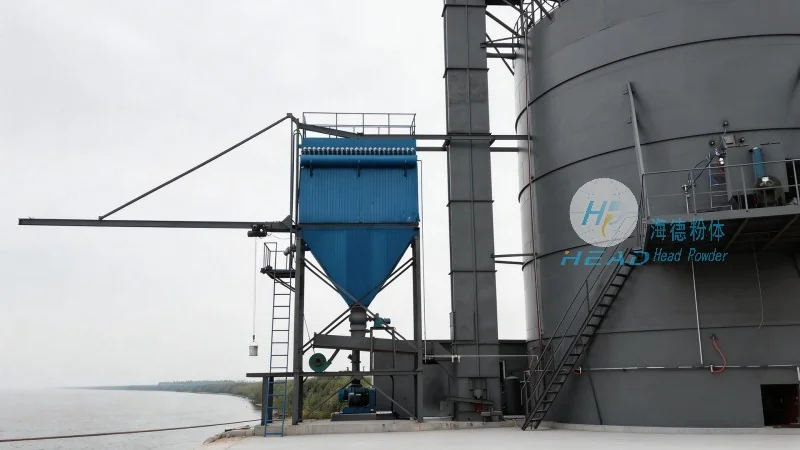
Suction systems utilize a vacuum to draw cotton fibers from the source into the pipeline. These systems are ideal for applications where the material needs to be transported from a lower elevation or where the source is located at a distance from the processing unit. The vacuum is generated by a fan or a vacuum pump, creating a pressure differential that pulls the fibers through the pipeline. Suction systems are particularly effective for handling light and fine cotton fibers, as they can maintain a consistent flow without causing excessive pressure on the material. However, they have limitations in terms of distance and material density, as the vacuum strength diminishes over longer distances and with denser materials.
Pressure Pneumatic Conveying
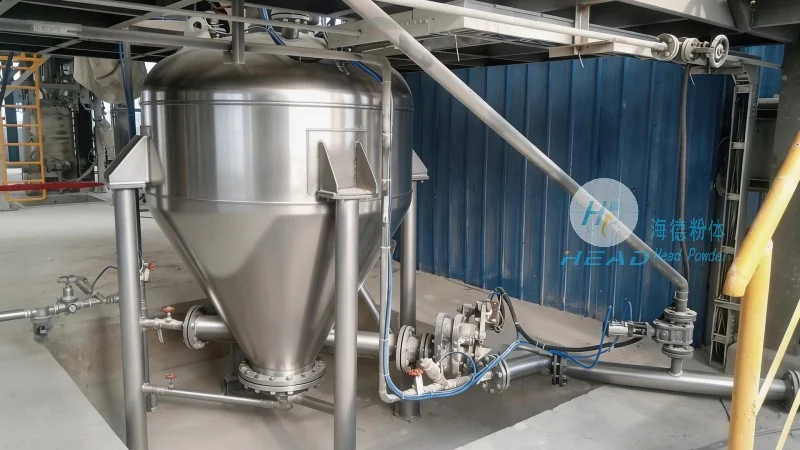
Pressure systems, on the other hand, use compressed air to push cotton fibers through the pipeline. These systems are commonly used for transporting materials over longer distances or when the source is at a higher elevation than the destination. By injecting high-pressure air into the pipeline, the system propels the cotton fibers forward, ensuring a continuous and reliable flow. Pressure systems are capable of handling a wider range of material types, including heavier or more abrasive cotton fibers, and can achieve higher conveying rates compared to suction systems. However, they require robust equipment to handle the higher air pressures and may need additional filtration to prevent dust accumulation in the system.
Applications of Cotton Fiber Pneumatic Conveying
The versatility of pneumatic conveying systems makes them indispensable in various stages of cotton fiber processing. From raw material handling to finished product distribution, these systems enhance efficiency and maintain product quality.
Raw Cotton Handling and Storage
In the initial stages of cotton processing, raw cotton is often received in bales or bags. Pneumatic conveying systems can efficiently transfer these materials from storage areas to processing units, such as gins or cleaning machines. The systems can handle large volumes of raw cotton, reducing the need for manual labor and minimizing the risk of material loss or contamination. The clean and enclosed nature of pneumatic conveying also helps in maintaining the quality of the raw cotton by preventing exposure to dust, moisture, or other environmental factors.
Cotton Fiber Processing and Refining
During the processing of cotton fibers, various stages such as cleaning, carding, and spinning involve the movement of fibers between different equipment. Pneumatic conveying systems are used to transport processed fibers from one machine to another, ensuring a smooth and continuous workflow. For example, after cleaning, the fibers may be conveyed to a carding machine for further refinement. The systems can handle different grades of cotton fibers, from short-staple to long-staple, adapting to the specific requirements of each processing stage. This flexibility allows manufacturers to optimize their production lines and improve overall throughput.
Waste Management and Recycling
In the textile industry, waste management is a critical aspect of sustainable operations. Pneumatic conveying systems can be utilized to collect and transport cotton waste, such as discarded fibers or byproducts from processing, to recycling facilities. By integrating these systems into waste management processes, companies can reduce environmental impact and recover valuable materials. The systems ensure that waste is handled efficiently and hygienically, preventing the spread of contaminants and maintaining compliance with environmental regulations.
Conclusion
HeadPowder Engineering Co., Ltd., based in Shandong, China, offers comprehensive pneumatic conveying solutions tailored to the unique needs of cotton fiber processing industries. By leveraging advanced technology and expertise, the company provides systems that enhance operational efficiency, maintain product quality, and support sustainable practices. Whether for raw material handling, processing, or waste management, pneumatic conveying systems from HeadPowder are designed to meet the demands of modern cotton fiber processing, ensuring reliable and effective material transport across various industrial applications.