

What is Pepper Powder Pneumatic Conveying? Classification and Applications of Pneumatic Conveying
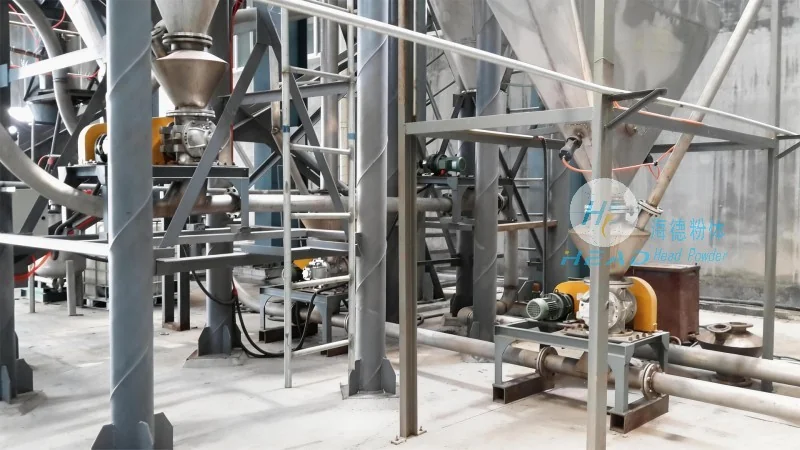
Welcome to Shandong HeadPowder Engineering Co., Ltd., a leading provider of industrial conveying solutions based in Shandong, China. This article explores the concept of pepper powder pneumatic conveying, delving into the different classifications of pneumatic conveying systems and their practical applications in handling fine powders like pepper powder.
Introduction to Pepper Powder Pneumatic Conveying
Pneumatic conveying, also known as pneumatic transport, is a method of moving bulk materials through a pipeline using pressurized air or a vacuum. In the context of pepper powder, this technology is crucial for efficiently transporting the fine, dry particles from storage to processing units without the need for mechanical components like belts or buckets. The process involves creating a flow of air that carries the powder through the system, ensuring minimal product degradation and contamination.
Understanding Pneumatic Conveying Systems
At the core of pneumatic conveying is the ability to control the movement of particles using air pressure. Systems can be categorized based on the pressure applied, with two main types: positive pressure and negative pressure. Positive pressure systems use compressed air to push the material through the pipeline, while negative pressure systems use a vacuum to draw the material. Both methods are effective for pepper powder, but the choice depends on factors such as the distance to be covered, the volume of material, and the need for dust control.
The Role of Pepper Powder in Pneumatic Conveying Applications
Pepper powder, with its fine texture and potential for dust generation, presents unique challenges in material handling. Traditional methods like manual handling or mechanical conveyors can lead to product loss, contamination, and safety hazards. Pneumatic conveying offers a solution by encapsulating the powder in a controlled air stream, reducing exposure to the environment and ensuring consistent quality. This is particularly important in food processing, where maintaining product integrity is paramount.
Classification of Pneumatic Conveying Systems
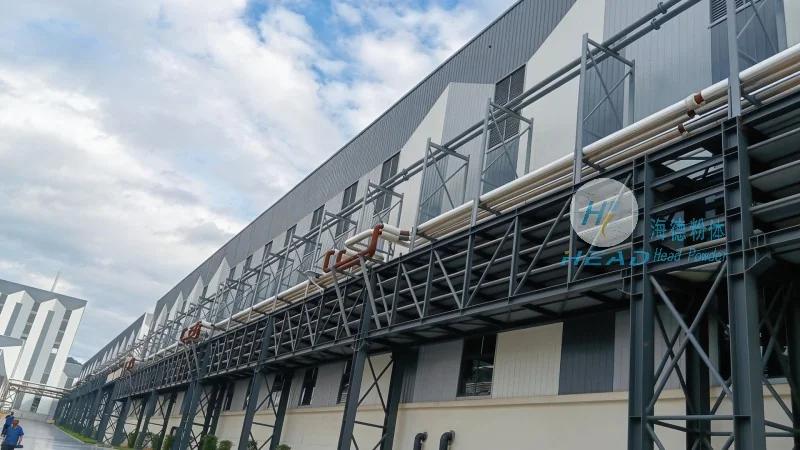
Pneumatic conveying systems are broadly classified into two main categories: dilute phase and dense phase. Dilute phase systems operate at low air-to-material ratios, moving particles in a dispersed state, suitable for short distances and low material loads. Dense phase systems, on the other hand, use higher air-to-material ratios to create a slurry-like flow, ideal for longer distances and higher material volumes. For pepper powder, both systems can be employed, with dense phase often preferred for applications requiring precise control over particle velocity and minimal product degradation.
Common Types of Pneumatic Conveying
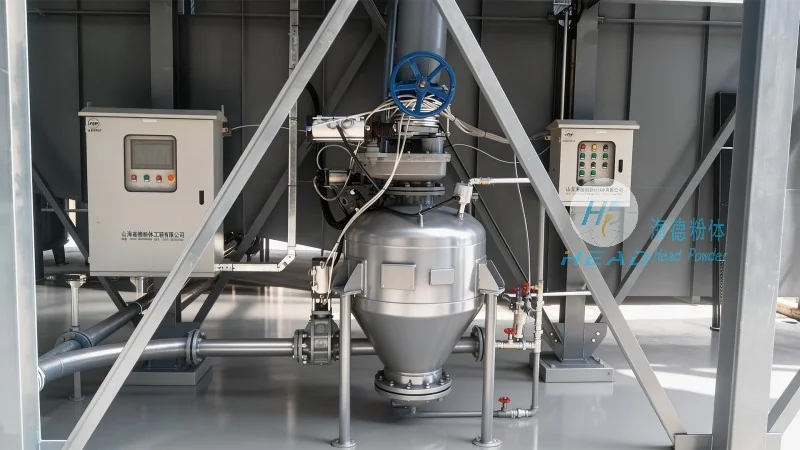
Within the classification of pneumatic conveying, several specific types are commonly used in industrial settings. These include the Venturi system, which uses a converging-diverging nozzle to accelerate the air and pull in material; the pressure tank system, which stores compressed air and releases it to push material; and the vacuum system, which draws material from a source using a vacuum pump. Each type has its advantages and is selected based on the specific requirements of the pepper powder handling process.
Applications of Pneumatic Conveying in the Pepper Industry
The use of pneumatic conveying in the pepper industry spans from raw material handling to finished product distribution. In processing facilities, pepper powder is often conveyed from storage silos to grinding machines or mixing equipment. During this process, the system ensures that the powder is transported without clumping or segregation, maintaining the uniformity needed for consistent flavor profiles. Additionally, pneumatic conveying is used in packaging lines to transfer the final product to filling machines, ensuring efficient and hygienic operations.
Advantages of Using Pneumatic Conveying for Pepper Powder
Implementing pneumatic conveying for pepper powder offers several key advantages. First, it reduces labor costs by automating the material handling process, minimizing the need for manual labor in potentially hazardous environments. Second, it improves product quality by preventing contamination and degradation, which is critical in food applications. Third, it enhances safety by containing dust and preventing the spread of allergens. Finally, it increases operational efficiency by allowing for continuous, uninterrupted material flow, which is essential for maintaining production schedules.
How Shandong HeadPowder Engineering Co., Ltd. Specializes in Pneumatic Conveying Solutions
Shandong HeadPowder Engineering Co., Ltd. specializes in designing and manufacturing customized pneumatic conveying systems tailored to the unique needs of the pepper industry. With years of experience in handling fine powders, the company understands the challenges of transporting pepper powder and has developed solutions that address these issues effectively. The company’s team of engineers works closely with clients to assess their specific requirements, from the type of pepper powder to the distance and volume of material to be conveyed, and designs a system that maximizes efficiency and minimizes downtime. By leveraging advanced technology and a deep understanding of material handling, HeadPowder provides reliable and durable pneumatic conveying solutions that meet the highest standards of quality and performance.