

Quartz Sand Particle Pneumatic Conveying Systems Explained
HeadPowder, a leading engineering firm based in Shandong, China, specializes in the design and implementation of advanced pneumatic conveying systems for quartz sand particles. This article provides a comprehensive overview of such systems, detailing their operational principles, key features, and practical applications in industrial settings.
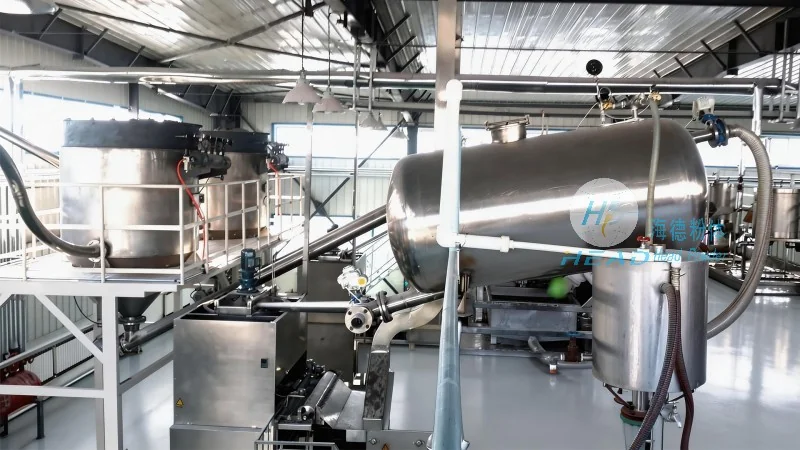
System Overview: How Pneumatic Conveying Works for Quartz Sand
The quartz sand particle pneumatic conveying system utilizes air as the primary medium to transport dry, free-flowing materials like quartz sand. Unlike traditional mechanical conveyors, this system eliminates the need for moving parts in the conveying path, reducing maintenance requirements and minimizing product contamination. The process typically involves a hopper where the quartz sand is stored, a blower or compressor that generates the air flow, and a pipeline network that directs the material to its destination. The system can operate in both dilute phase (where particles are suspended in the air stream) and dense phase (where particles move in a slurry-like state) modes, offering flexibility based on the material's characteristics and the distance of transport.
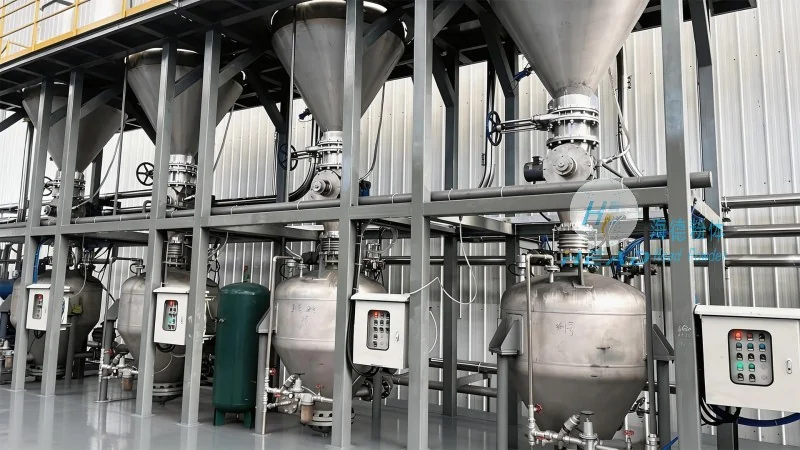
Key Technical Features and Advantages
One of the primary advantages of the quartz sand particle pneumatic conveying system is its high efficiency in material transport. By using air as the conveying medium, the system can move large volumes of quartz sand over significant distances with minimal energy consumption compared to traditional methods. The system also ensures low product degradation and minimal dust generation, which is crucial for maintaining the quality of quartz sand, a material widely used in glass manufacturing, refractory production, and construction industries. Additionally, the system's modular design allows for easy integration with existing production lines and can be customized to meet specific operational requirements, such as varying flow rates or pressure levels. The use of high-quality materials in the construction of the pipeline and components further enhances the system's durability and longevity, reducing long-term operational costs.
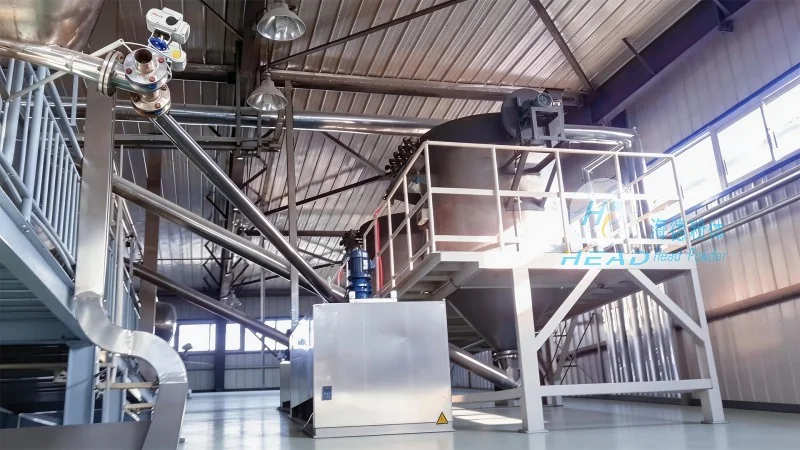
HeadPowder: Your Trusted Partner in Quartz Sand Conveying Solutions
As a company headquartered in Shandong, China, HeadPowder Engineering Co., Ltd. has established itself as a leading provider of specialized engineering solutions for material handling. With years of experience in the industry, the company has developed a deep understanding of the unique challenges associated with transporting quartz sand, including its abrasive nature and the need for precise control over particle size and flow. HeadPowder's team of engineers and technicians work closely with clients to design and implement customized pneumatic conveying systems that optimize performance, reduce downtime, and enhance overall operational efficiency. The company adheres to strict quality control standards throughout the design, manufacturing, and installation phases, ensuring that each system meets the highest industry benchmarks. Furthermore, HeadPowder offers comprehensive after-sales support, including maintenance services and technical assistance, to ensure the long-term reliability and performance of the conveying systems.
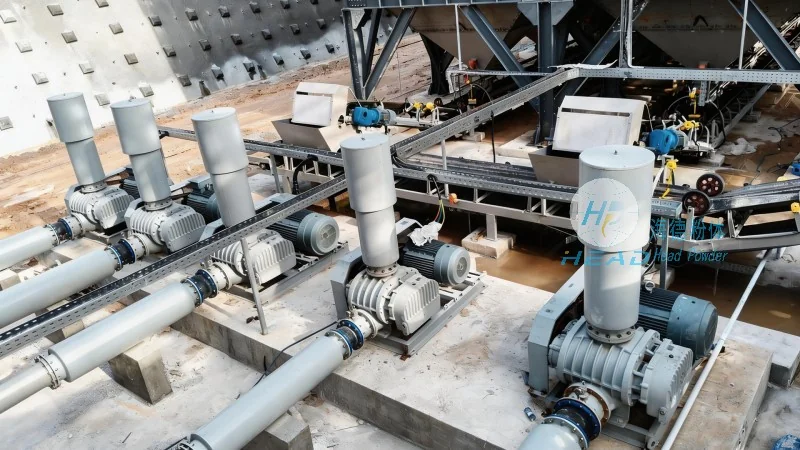
Conclusion: The Future of Quartz Sand Handling with Pneumatic Conveying
In conclusion, the quartz sand particle pneumatic conveying system represents a highly effective and efficient solution for the transportation of quartz sand in various industrial applications. By leveraging advanced engineering principles and high-quality components, this system offers numerous benefits, including reduced maintenance, minimal product contamination, and flexible operation modes. With HeadPowder Engineering Co., Ltd. as a partner, industries can rely on a proven and reliable system that meets their specific needs and contributes to improved productivity and cost savings. As the demand for high-quality quartz sand continues to grow, the adoption of such advanced conveying systems will play a crucial role in meeting production requirements while maintaining environmental and operational standards.