

[Detailed Explanation of Wood Fiber Pneumatic Conveying Systems]
Wood fiber pneumatic conveying systems represent a sophisticated and efficient method for transporting bulk materials, particularly in industrial applications involving wood-based products. These systems utilize air pressure or vacuum to move materials through a pipeline network, offering a dust-free and low-maintenance solution compared to traditional mechanical conveyors. The technology is widely adopted in sectors such as paper manufacturing, wood processing, and biomass energy production, where the handling of fibrous materials requires precision and reliability.
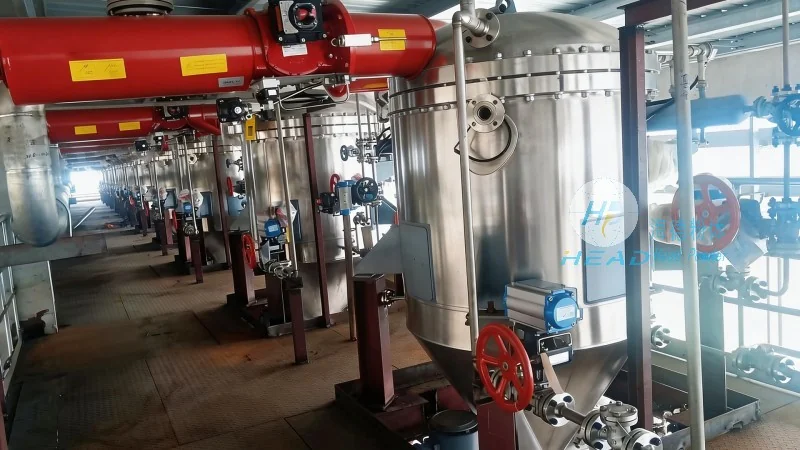
Understanding the Core Components of a Wood Fiber Pneumatic Conveying System
A typical wood fiber pneumatic conveying system consists of several key components that work in tandem to ensure smooth material transport. The primary elements include a material feeder, a conveying line (often equipped with bends and straight sections), a receiver or discharge unit, and a blower or vacuum pump. The material feeder is responsible for introducing the wood fibers into the system, ensuring a consistent flow rate. The conveying line, usually made of stainless steel or other corrosion-resistant materials, is designed to withstand the abrasive nature of wood fibers and the moisture content often present in such materials. The receiver collects the conveyed material, while the blower provides the necessary air pressure or vacuum to move the material through the system. Each component is engineered to handle the specific challenges posed by wood fibers, such as their tendency to clump or clog, ensuring optimal performance and longevity.
Advantages of Using Wood Fiber Pneumatic Conveying Systems
Compared to traditional conveyor systems, wood fiber pneumatic conveying offers several distinct advantages. One of the most significant benefits is the elimination of dust and debris, which is crucial in environments where air quality and worker safety are paramount. Unlike mechanical conveyors that can generate significant dust, pneumatic systems keep the material contained within the pipeline, reducing the risk of airborne particles and improving overall workplace conditions. Additionally, these systems are highly flexible, allowing for easy reconfiguration of the pipeline layout to accommodate changes in production processes or facility expansions. The low maintenance requirements of pneumatic systems also contribute to cost savings, as there are fewer moving parts and less wear and tear compared to mechanical alternatives. Furthermore, the ability to transport materials over long distances without the need for multiple transfer points makes pneumatic conveying an efficient solution for large-scale operations.
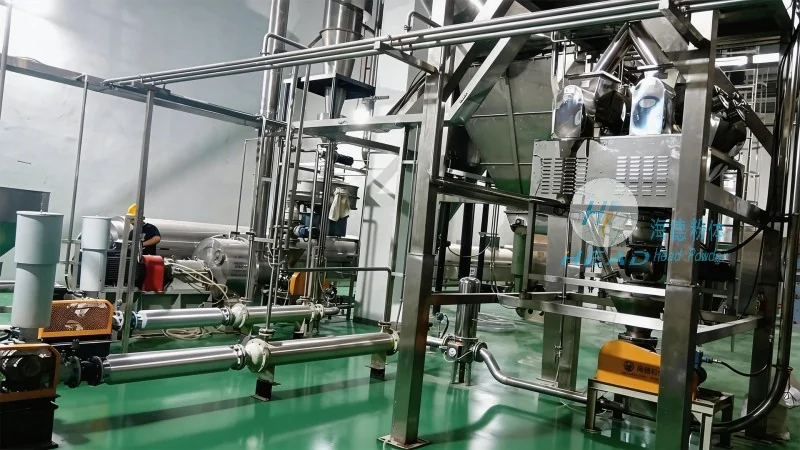
HeadPowder's Expertise in Designing and Manufacturing Wood Fiber Pneumatic Conveying Systems
Shandong HeadPowder Engineering Co., Ltd., commonly known as HeadPowder, is a leading manufacturer specializing in the design, development, and production of wood fiber pneumatic conveying systems. With years of experience in the industry, HeadPowder has established itself as a trusted partner for businesses seeking reliable and efficient material handling solutions. The company's team of engineers and technicians possesses deep expertise in understanding the unique properties of wood fibers and the challenges associated with their transportation. This expertise allows HeadPowder to tailor systems to meet the specific needs of each client, ensuring optimal performance and durability. HeadPowder's commitment to quality is evident in their use of high-grade materials and rigorous testing procedures, which guarantee that each system meets or exceeds industry standards. The company's focus on customer satisfaction is reflected in their comprehensive after-sales support, including maintenance services and technical assistance, to ensure that clients can maximize the lifespan and efficiency of their conveying systems.
Key Features and Technical Specifications of HeadPowder's Wood Fiber Pneumatic Conveying Systems
HeadPowder's wood fiber pneumatic conveying systems are equipped with a range of features that enhance their performance and adaptability. One notable feature is the adjustable air pressure control, which allows operators to fine-tune the system's performance based on the type and quantity of material being transported. This flexibility ensures that the system operates efficiently under varying conditions, such as changes in material moisture content or flow rate. The systems also incorporate advanced filtration and cleaning mechanisms to prevent clogging and maintain consistent air quality. Additionally, HeadPowder's designs include safety features, such as pressure relief valves and emergency shut-off mechanisms, to protect both the equipment and the operators from potential hazards. In terms of technical specifications, the company's systems are capable of handling a wide range of material sizes and densities, with conveying capacities ranging from low to high volumes. The pipeline diameters and blower power can be customized to suit the specific requirements of each application, ensuring that the system meets the client's operational needs.
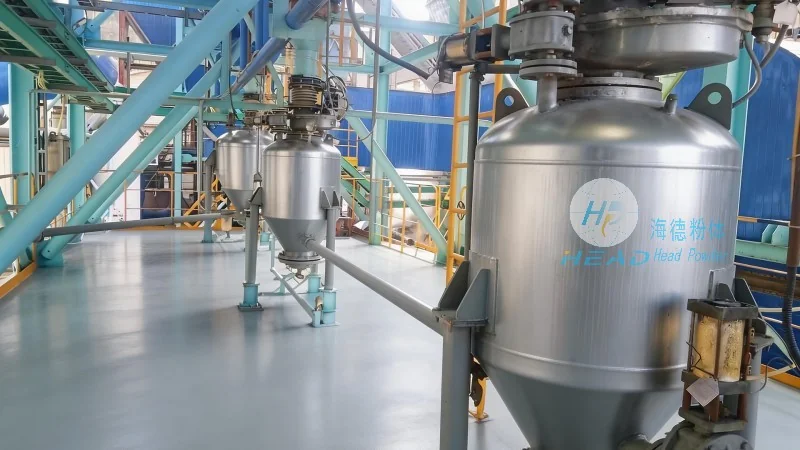
Applications and Industries Served by Wood Fiber Pneumatic Conveying Systems
The versatility of wood fiber pneumatic conveying systems makes them suitable for a variety of applications across different industries. In the paper manufacturing industry, these systems are used to transport wood chips and pulp from storage areas to processing units, ensuring a continuous supply of raw materials. The food and beverage sector also benefits from these systems, particularly in the handling of wood-based ingredients or packaging materials. Additionally, the biomass energy industry utilizes pneumatic conveying to transport wood pellets or sawdust to biomass boilers, contributing to sustainable energy production. The construction industry may also employ these systems for the transport of wood-based insulation materials or other construction components. Regardless of the industry, the consistent and reliable performance of wood fiber pneumatic conveying systems makes them an essential component in modern material handling operations.
Conclusion: The Future of Wood Fiber Material Handling with Pneumatic Conveying
As industries continue to seek more efficient and sustainable material handling solutions, wood fiber pneumatic conveying systems remain a top choice for businesses requiring reliable and low-maintenance transport of fibrous materials. The technology's ability to handle the unique challenges posed by wood fibers, combined with its environmental benefits and operational flexibility, positions it as a forward-thinking solution for the future. With companies like Shandong HeadPowder Engineering Co., Ltd. leading the way in innovation and quality, the adoption of pneumatic conveying systems is expected to grow, further solidifying their role in modern industrial operations. By investing in these advanced systems, businesses can enhance their productivity, improve workplace safety, and contribute to a more sustainable future in material handling.