

[Detailed Explanation of Calcium Hydroxide Powder Pneumatic Conveying Systems]
Calcium hydroxide, commonly known as slaked lime, is a widely used chemical in various industrial applications. The efficient and safe transportation of this powder is crucial for maintaining production efficiency and ensuring operational safety. This article provides a comprehensive overview of pneumatic conveying systems designed specifically for calcium hydroxide powder, highlighting key components, operational principles, and practical applications.
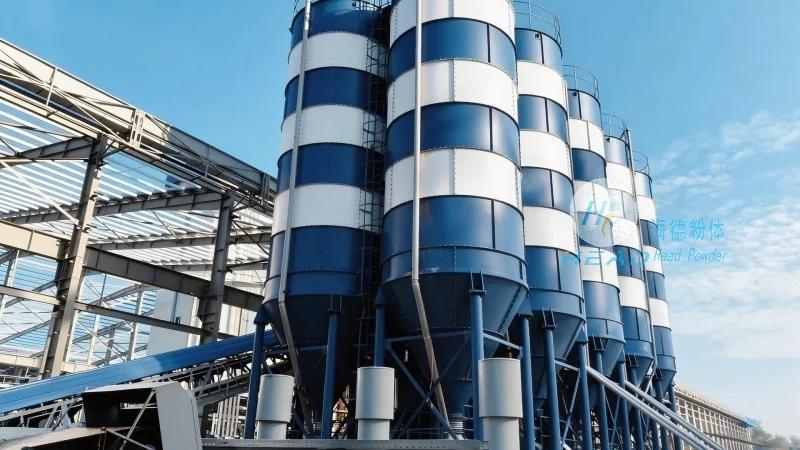
Introduction to Calcium Hydroxide Powder Pneumatic Conveying Systems
Pneumatic conveying systems utilize air or other gases to transport bulk materials like calcium hydroxide powder from one location to another. These systems are particularly advantageous for handling fine powders, as they can minimize dust generation and prevent material degradation compared to traditional mechanical conveying methods. The design of a calcium hydroxide powder pneumatic conveying system must consider factors such as material properties, flow rates, and the required distance between source and destination points.
Key Components of the Pneumatic Conveying System
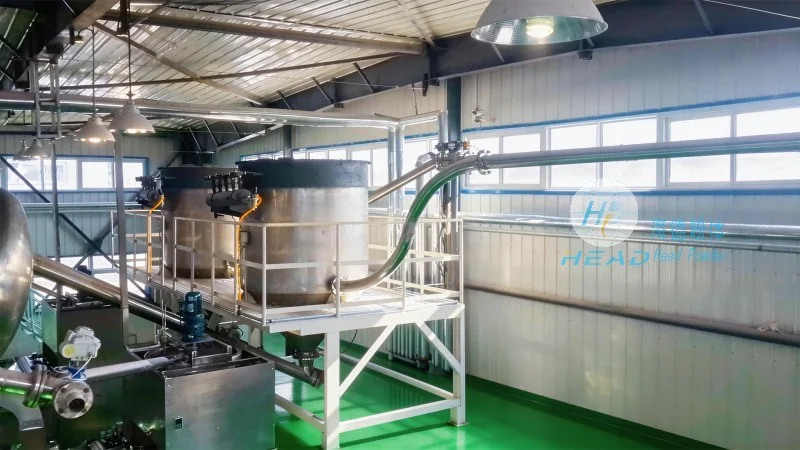
The core components of a calcium hydroxide powder pneumatic conveying system include the material feed hopper, air compressor or blower, conveying pipeline, and material separator or receiver. The feed hopper is responsible for storing and feeding the calcium hydroxide powder into the system, ensuring a consistent flow rate. The air compressor or blower generates the necessary air pressure to move the powder through the pipeline. The conveying pipeline, typically made of stainless steel or other corrosion-resistant materials, is designed to withstand the abrasive nature of calcium hydroxide and maintain air-tightness to prevent dust leakage. The material separator or receiver collects the conveyed powder at the destination, separating it from the air stream and preparing it for further processing or storage.
Operational Principles and Flow Rates
The operation of a pneumatic conveying system for calcium hydroxide powder relies on the principle of air flow and pressure differentials. When the air compressor starts, it creates a pressure difference between the feed hopper and the receiver. This pressure difference propels the powder particles along with the air stream through the pipeline. The flow rate of the system is determined by the air pressure, material feed rate, and pipeline diameter. For calcium hydroxide powder, optimal flow rates are typically achieved with air velocities ranging from 20 to 30 meters per second, ensuring efficient transport while minimizing particle degradation and pressure drop in the pipeline.
Advantages of Pneumatic Conveying for Calcium Hydroxide
Compared to other conveying methods, pneumatic conveying offers several benefits for calcium hydroxide powder. Firstly, it provides a dust-free environment, reducing the risk of respiratory issues for operators and minimizing contamination of other materials. Secondly, it allows for flexible system layouts, as the pipeline can be installed in various configurations to accommodate different plant layouts. Thirdly, the system can handle both low and high flow rates, making it suitable for a wide range of production scales. Additionally, pneumatic conveying reduces the need for manual handling, improving workplace safety and operational efficiency.
Applications in Industrial Settings
Calcium hydroxide powder pneumatic conveying systems are widely used in industries such as construction, water treatment, and chemical manufacturing. In the construction industry, the powder is often used as a component in cement and mortar production, where efficient transportation to mixing plants is essential. In water treatment facilities, calcium hydroxide is used to adjust pH levels and remove impurities, requiring reliable delivery to treatment tanks. In chemical manufacturing, the powder may be used as a raw material in the production of other chemicals, necessitating a controlled and safe conveying process.
Maintenance and Safety Considerations
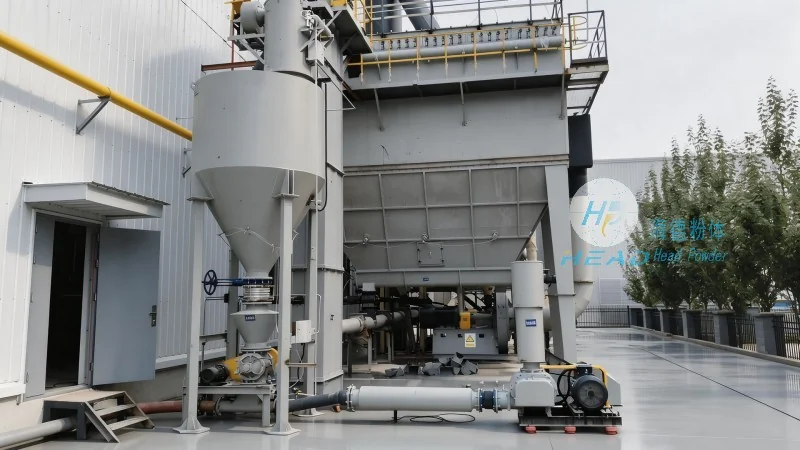
Proper maintenance of the pneumatic conveying system is crucial to ensure long-term performance and safety. Regular inspection of the air compressor, pipeline, and material feed hopper is necessary to detect and address any issues such as leaks or blockages. The system should also be equipped with safety features, including pressure relief valves and dust collection systems, to prevent accidents and protect personnel. Additionally, operators should be trained on the proper handling of calcium hydroxide powder, as it can cause skin and eye irritation if not handled with care.
Conclusion
Pneumatic conveying systems represent an effective and efficient solution for the transportation of calcium hydroxide powder in industrial settings. By understanding the key components, operational principles, and maintenance requirements, companies can implement a reliable system that enhances productivity, ensures safety, and minimizes material loss. The expertise of companies like Shandong HeadPowder Engineering Co., Ltd. plays a vital role in designing and installing such systems, providing tailored solutions to meet the specific needs of their clients.