

What is Chloroprene Rubber Pneumatic Conveying? Classification and Applications of Pneumatic Conveyi
Chloroprene rubber, also known as neoprene, is a synthetic polymer widely used in industrial applications due to its excellent resistance to oil, chemicals, and weathering. Pneumatic conveying is a method of transporting bulk materials through a pipeline using air or other gas as the conveying medium. Combining these two technologies, chloroprene rubber pneumatic conveying systems offer efficient and reliable solutions for handling this versatile material. This article explores the fundamentals of chloroprene rubber pneumatic conveying, its classification, and practical applications in various industries.
Introduction to Chloroprene Rubber Pneumatic Conveying
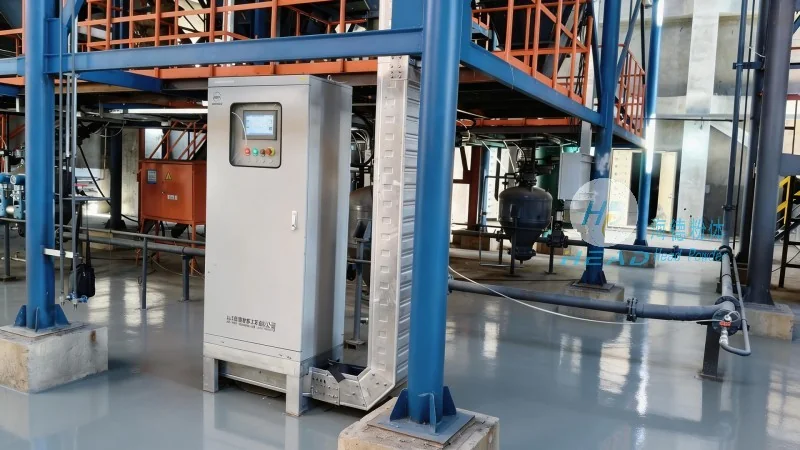
Chloroprene rubber pneumatic conveying systems are designed to transport chloroprene rubber particles or granules from a source to a destination using compressed air or other gas. The process involves creating a flow of air within a pipeline that carries the rubber material, ensuring minimal product degradation and efficient transfer. These systems are particularly suitable for handling chloroprene rubber due to its specific physical properties, such as its resistance to solvents and its ability to maintain structural integrity during transport.
Key Components of a Chloroprene Rubber Pneumatic Conveying System
Effective chloroprene rubber pneumatic conveying relies on several critical components. The primary elements include a material feed hopper, a conveyor pipeline, a blower or air compressor to generate the conveying air, and a receiver or discharge unit. The feed hopper ensures a consistent flow of rubber material into the system, while the pipeline provides the path for transport. The blower or compressor supplies the necessary air pressure to move the material, and the receiver collects the conveyed rubber at the destination. Additionally, components like rotary valves, filters, and dust collectors may be integrated to enhance system performance and ensure material quality.
Classification of Pneumatic Conveying Systems
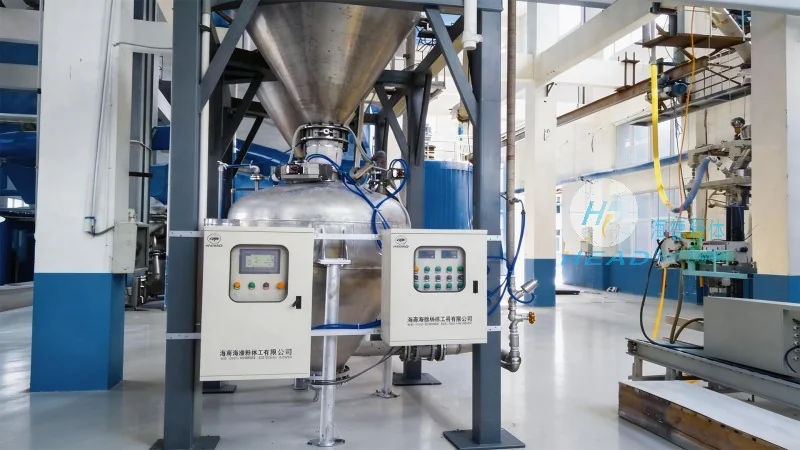
Pneumatic conveying systems are typically classified based on the pressure of the conveying medium. The two main categories are positive pressure (or pressure) systems and negative pressure (or vacuum) systems. Positive pressure systems operate by blowing air into the pipeline, pushing the material forward. These systems are commonly used for long-distance or high-capacity conveying and are particularly effective for handling abrasive or sticky materials like chloroprene rubber. Negative pressure systems, on the other hand, operate by creating a vacuum in the pipeline, pulling the material into the system. These systems are often used for shorter distances or when the material is light and requires gentle handling. Another classification is based on the type of air flow, including dilute phase and dense phase systems. Dilute phase systems use low air-to-material ratios, resulting in high material velocity and minimal pressure drop. Dense phase systems use higher air-to-material ratios, leading to lower material velocity and better control over the conveying process. For chloroprene rubber, the choice between these classifications depends on the specific application requirements, such as material size, moisture content, and the need for gentle handling.
Applications of Chloroprene Rubber Pneumatic Conveying
Chloroprene rubber pneumatic conveying systems find applications in various industries where the material's properties are leveraged. In the automotive industry, chloroprene rubber is used for manufacturing seals, gaskets, and vibration dampers. Pneumatic conveying systems efficiently transport the rubber granules to production lines, ensuring consistent quality and reducing handling time. The chemical industry utilizes chloroprene rubber for manufacturing adhesives, coatings, and protective films. Pneumatic conveying facilitates the transfer of rubber powders or pellets from storage to processing equipment, maintaining the material's integrity and preventing contamination. The construction industry also benefits from chloroprene rubber in the form of waterproofing membranes and sealing compounds. Pneumatic systems enable the reliable transport of these materials to job sites, supporting efficient construction processes. Additionally, in the manufacturing of rubber products, such as hoses and belts, pneumatic conveying helps in the distribution of raw chloroprene rubber to different production stages, optimizing workflow and reducing labor costs.
Advantages of Using Chloroprene Rubber Pneumatic Conveying
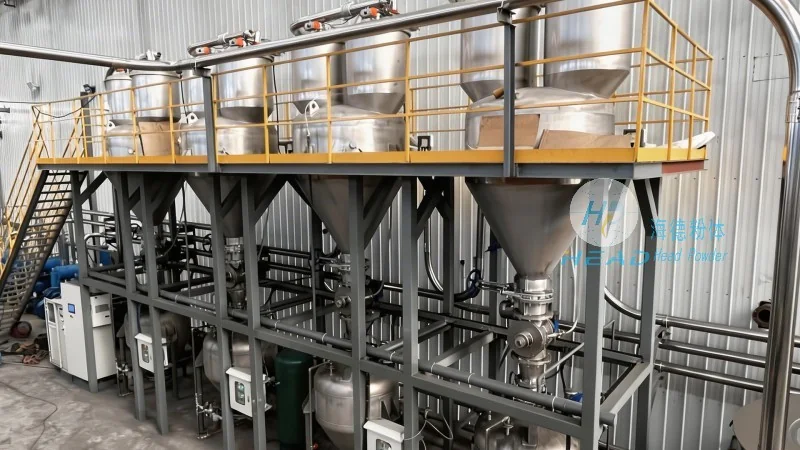
Implementing chloroprene rubber pneumatic conveying offers several advantages over traditional methods like belt conveyors or bucket elevators. One of the primary benefits is the ability to handle materials in a closed system, minimizing dust emissions and environmental contamination. This is particularly important for chloroprene rubber, which can release volatile organic compounds (VOCs) if not properly contained. The closed system also prevents material loss and cross-contamination, ensuring product purity. Another advantage is the flexibility of the system, as it can be easily adjusted to accommodate changes in material flow rates or pipeline length. This adaptability makes it suitable for dynamic production environments. Furthermore, pneumatic conveying systems are generally more energy-efficient compared to mechanical systems, especially for long-distance transport. The reduced wear and tear on components also leads to lower maintenance costs over time. For chloroprene rubber, the gentle handling provided by pneumatic systems helps maintain the material's quality, preventing degradation that could affect its performance in end products.
Considerations for Designing Chloroprene Rubber Pneumatic Conveying Systems
Designing an effective chloroprene rubber pneumatic conveying system requires careful consideration of several factors. The first consideration is the material's physical properties, including particle size, moisture content, and abrasiveness. Chloroprene rubber particles can vary in size, and the system must be designed to handle the specific size distribution to ensure efficient transport. Moisture content is another critical factor, as high moisture levels can lead to caking or blockages in the pipeline. Proper drying or moisture control measures are essential to maintain system performance. Abrasiveness is also a concern, as chloroprene rubber can be abrasive to pipeline components. Materials such as stainless steel or special coatings are often used to protect the pipeline from wear and extend the system's lifespan. The system's capacity and flow rate must be matched to the production requirements, ensuring that the conveying speed is sufficient to meet demand without causing excessive pressure drop or material degradation. Additionally, the choice of blower or compressor type is crucial, as it affects the system's energy efficiency and ability to handle the material's specific characteristics. Centrifugal blowers are commonly used for positive pressure systems due to their high airflow capacity, while rotary lobe blowers may be preferred for dense phase applications requiring higher air pressure.
Maintenance and Troubleshooting of Chloroprene Rubber Pneumatic Conveying Systems
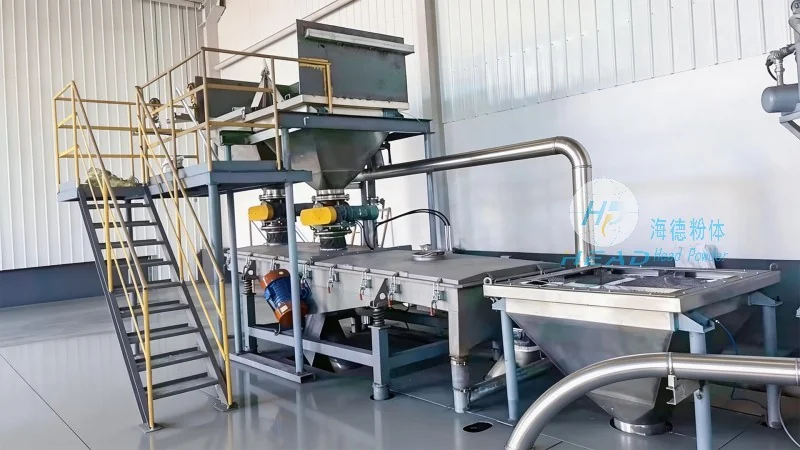
Regular maintenance is essential to ensure the reliable operation of chloroprene rubber pneumatic conveying systems. Key maintenance tasks include inspecting and cleaning the pipeline and components to prevent blockages or wear. Filters and dust collectors should be checked and replaced as needed to maintain air quality and system efficiency. The blower or compressor should be monitored for proper operation, including checking for excessive noise or vibration, which may indicate mechanical issues. Lubrication of moving parts is also important to reduce friction and extend component life. Troubleshooting common issues, such as material clogging or pressure drops, involves checking the feed hopper for proper material flow, ensuring the pipeline is clear of obstructions, and verifying the air pressure and flow rate. If clogging occurs, the system may need to be stopped and cleared, or the material may need to be adjusted to improve flow characteristics. Pressure drops can be caused by blockages, worn components, or insufficient air supply, and addressing these issues promptly helps maintain system performance. By following a regular maintenance schedule and addressing issues promptly, the lifespan and efficiency of chloroprene rubber pneumatic conveying systems can be maximized.
Conclusion
Chloroprene rubber pneumatic conveying systems provide efficient and reliable solutions for handling this versatile synthetic rubber material. By understanding the classification of pneumatic conveying systems and their applications, industries can select the appropriate system to meet their specific needs. The advantages of closed systems, flexibility, and energy efficiency make pneumatic conveying a preferred choice for many applications. Proper design, maintenance, and troubleshooting are crucial to ensure the long-term performance and reliability of these systems. As industries continue to rely on chloroprene rubber for various products, the importance of effective material handling through pneumatic conveying will only grow. With the right system and maintenance practices, chloroprene rubber pneumatic conveying can contribute to improved productivity and product quality in manufacturing processes.